Abagrotis kirkwoodi
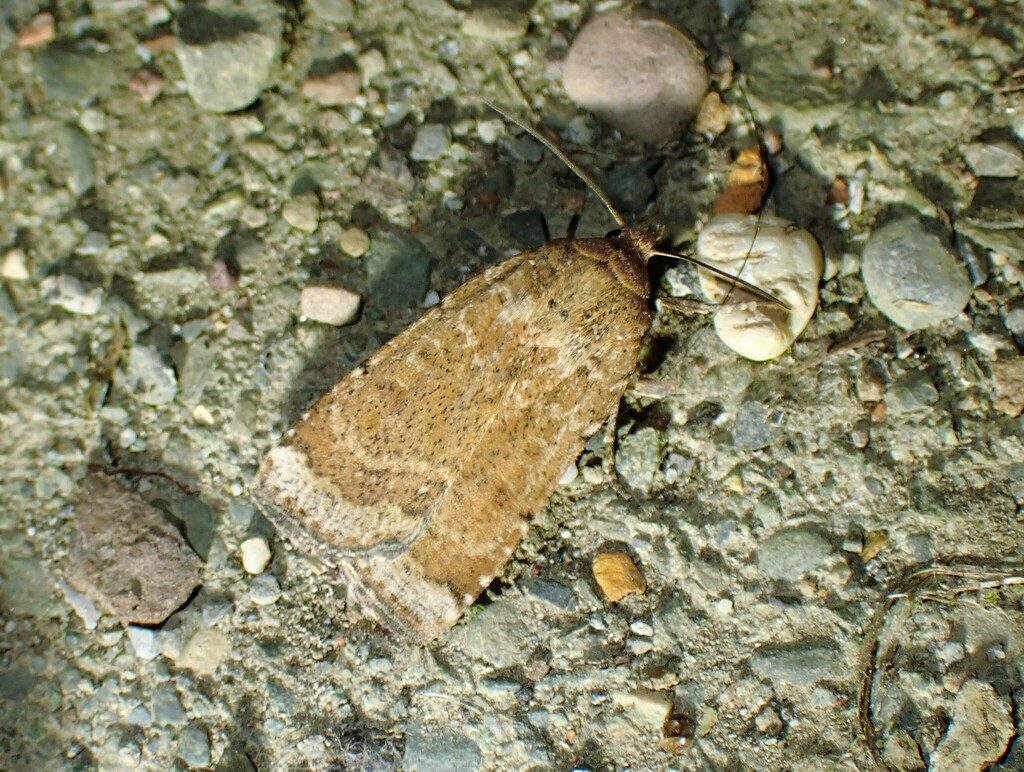
(c) Louis Imbeau, some rights reserved (CC BY) · licence
Family: Noctuidae · Class: Insecta · Order: Lepidoptera
Abagrotis kirkwoodi is a California animal in the Noctuidae family.
Abagrotis kirkwoodi is a moth species in the family Noctuidae, commonly known as owlet moths or cutworm moths. This species belongs to the genus Abagrotis, which comprises medium-sized noctuid moths distributed primarily across western North America. Limited taxonomic and morphological information is available in the scientific literature for this specific species, reflecting the specialized nature of moth taxonomy and the need for expert identification of many noctuids. The distribution and range of Abagrotis kirkwoodi appears to be restricted, though comprehensive range data is not readily available in current databases. Like other members of the genus Abagrotis, this species likely occurs in western North America, potentially including California, though specific county-level distribution records require verification through museum collections and specialist literature. The genus Abagrotis is known from various elevations and habitat types across the region. Habitat requirements for Abagrotis kirkwoodi are not well-documented in accessible literature. Members of the genus Abagrotis typically inhabit diverse environments including grasslands, shrublands, and forest margins. Many noctuids in this genus are associated with specific plant communities and may show preferences for particular elevation ranges or microclimatic conditions. The larval stages likely develop in soil or leaf litter environments, following the typical cutworm ecology of related species. The life cycle and behavior of Abagrotis kirkwoodi follows the general pattern of noctuids, with complete metamorphosis including egg, larval, pupal, and adult stages. Adult moths are typically nocturnal and may be attracted to artificial lights. The timing of adult flight periods varies among Abagrotis species but generally occurs during warmer months. Larvae likely feed on herbaceous plants or low-growing vegetation, though specific host plant associations have not been documented for this species. Many noctuid larvae are generalist feeders on various plant families. The conservation status of Abagrotis kirkwoodi is not well-established, as the species lacks formal state or federal listing status. The absence of comprehensive population data and limited ecological information makes assessment of conservation needs challenging. Many specialized moth species face threats from habitat loss, light pollution, pesticide use, and climate change, though specific threat assessments for this species are not available. The apparent rarity of records may indicate either genuine scarcity or simply the difficulty of detecting and identifying this nocturnal species. Further research is needed to establish basic ecological parameters for Abagrotis kirkwoodi, including host plant relationships, habitat preferences, phenology, and distribution patterns. Museum specimen records and targeted surveys would help clarify the conservation status and ecological requirements of this species. The specialized taxonomy of noctuids requires expert knowledge for reliable species identification, contributing to gaps in knowledge for many species in this diverse family.
Classification
Class: Insecta · Order: Lepidoptera · Family: Noctuidae
Frequently asked questions
How is Abagrotis kirkwoodi classified?
Abagrotis kirkwoodi belongs to class Insecta, order Lepidoptera, family Noctuidae.
What family does Abagrotis kirkwoodi belong to?
Abagrotis kirkwoodi is in the Noctuidae family.
What is Abagrotis kirkwoodi?
Abagrotis kirkwoodi is a moth species in the family Noctuidae, commonly known as owlet moths or cutworm moths.
Is Abagrotis kirkwoodi found in California?
Yes. Abagrotis kirkwoodi is recorded in California in The California Species Project's catalogue.
Related species
Other California species in the same genus, family, or bioregion.
Data from The California Species Project — 14,000+ California species with verified data from CNPS, CDFW, USFWS, and more.