Abagrotis scopeops
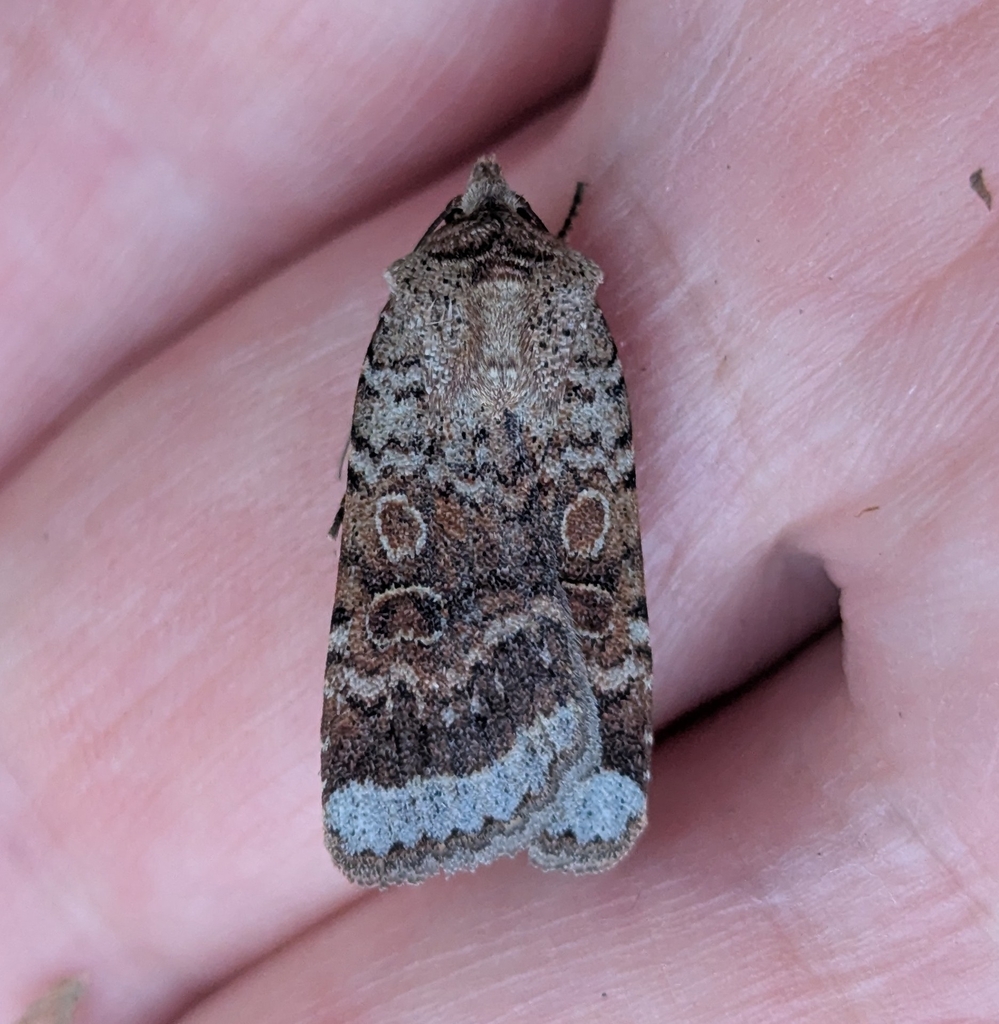
no rights reserved · CC0
Family: Noctuidae · Class: Insecta · Order: Lepidoptera
Abagrotis scopeops is a California animal in the Noctuidae family.
Abagrotis scopeops is a moth species in the family Noctuidae, commonly known as the owlet moths or cutworm moths. This nocturnal lepidopteran belongs to a genus of moths primarily found in western North America, though specific morphological characteristics and detailed taxonomic descriptions for A. scopeops remain limited in published literature. The physical description of Abagrotis scopeops follows typical characteristics of the Abagrotis genus, which generally exhibit forewings measuring 12-18 mm in length with wingspan ranging from 25-35 mm. Moths in this genus typically display muted coloration patterns with forewings showing various shades of brown, gray, or tan, often with subtle darker markings or lines. The hindwings are usually lighter in coloration, ranging from pale gray to whitish. Antennae are filiform in both sexes, though males may show slightly more pronounced segments. The geographic range and specific distribution of Abagrotis scopeops in California requires further documentation through systematic surveys. Many Abagrotis species are known from montane and subalpine regions of the western United States, suggesting this species likely occurs in similar habitats. The genus is typically associated with higher elevation environments, though specific elevational preferences for A. scopeops have not been definitively established. Habitat requirements for Abagrotis scopeops likely follow patterns observed in related species within the genus. These moths are generally associated with mountainous regions, including coniferous forests, alpine meadows, and transitional zones between different vegetation types. Many Abagrotis species show preferences for areas with native grasses and forbs, which serve as larval host plants. The specific plant associations and microhabitat requirements for A. scopeops remain to be documented through field studies. The life cycle and behavioral ecology of Abagrotis scopeops follows the typical pattern of noctuidae moths. Adults are nocturnal and likely active during summer months, with flight periods varying based on elevation and local climate conditions. Larvae probably develop as cutworms, feeding on herbaceous plants near ground level. The larval stage typically overwinters, with pupation occurring in soil chambers during late spring or early summer. Mating behavior likely involves pheromone communication, with females releasing chemical attractants to draw males for reproduction. The conservation status of Abagrotis scopeops has not been formally assessed by state or federal agencies. The lack of comprehensive distribution data and ecological information makes it difficult to evaluate population trends or conservation needs. Like many specialized moth species, A. scopeops may face threats from habitat modification, climate change affecting montane ecosystems, and potential impacts from artificial lighting on adult behavior. The species would benefit from systematic surveys to determine its current distribution, population status, and specific habitat requirements. Documentation of host plant relationships and seasonal activity patterns would provide essential information for any future conservation planning efforts.
Classification
Class: Insecta · Order: Lepidoptera · Family: Noctuidae
Frequently asked questions
How is Abagrotis scopeops classified?
Abagrotis scopeops belongs to class Insecta, order Lepidoptera, family Noctuidae.
What family does Abagrotis scopeops belong to?
Abagrotis scopeops is in the Noctuidae family.
What is Abagrotis scopeops?
Abagrotis scopeops is a moth species in the family Noctuidae, commonly known as the owlet moths or cutworm moths.
Is Abagrotis scopeops found in California?
Yes. Abagrotis scopeops is recorded in California in The California Species Project's catalogue.
Related species
Other California species in the same genus, family, or bioregion.
Data from The California Species Project — 14,000+ California species with verified data from CNPS, CDFW, USFWS, and more.