Abrostola ovalis
Oval Abrostola
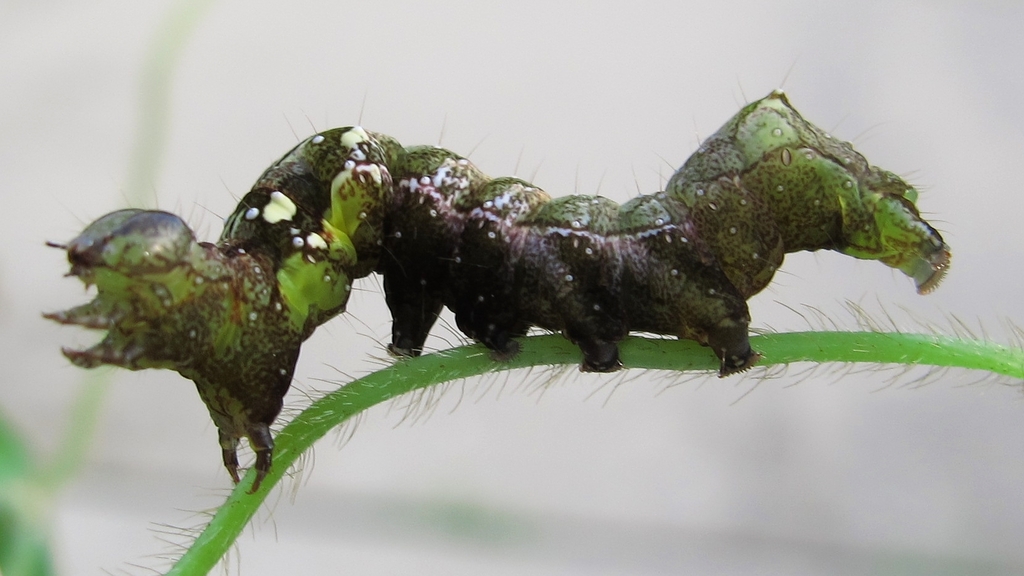
(c) Ilona, some rights reserved (CC BY-SA) · licence
Family: Noctuidae · Class: Insecta · Order: Lepidoptera
Abrostola ovalis (Oval Abrostola) is a California animal in the Noctuidae family.
Abrostola ovalis is a small noctuid moth in the subfamily Plusiinae, tribe Abrostolini. This species belongs to the looper moth complex, characterized by their distinctive caterpillars that move in a characteristic looping motion. Adult moths typically display the muted coloration common to many noctuids, with forewings showing intricate patterns that provide effective camouflage during daytime rest periods. Abrostola ovalis occurs across northern regions of North America, with documented presence extending from the northeastern United States into southeastern Canada. The species appears to have a transcontinental distribution, though specific locality records remain sparse in the literature. Based on collection data, the moth has been recorded from various northern states, with populations extending westward across the continent. The species inhabits diverse forested and semi-forested environments typical of the northern temperate zone. Adults are attracted to artificial lights and can be found in areas with mixed deciduous and coniferous forests. Like other members of the genus Abrostola, this species likely requires specific microhabitat conditions related to host plant availability and suitable overwintering sites. The moth shows preference for areas with moderate canopy cover that provide both larval food sources and adult shelter. Adult flight periods vary geographically but generally occur during summer months. Northern populations may have a more compressed flight season due to shorter growing seasons and temperature constraints. The species exhibits typical noctuid behavior, with adults being primarily nocturnal and attracted to light sources. Larvae likely feed on herbaceous plants, following the general pattern observed in related Abrostola species, though specific host plant relationships for A. ovalis have not been well documented in the available literature. Abrostola ovalis currently holds no special conservation status at federal or state levels. The species appears to maintain stable populations across its range, though comprehensive survey data are limited. Like many northern forest-associated moths, A. ovalis may face long-term pressures from climate change as warming temperatures potentially shift suitable habitat northward. Forest management practices that maintain diverse understory plant communities likely benefit this species by preserving potential host plants and maintaining the structural diversity required for successful completion of the life cycle. Scientific documentation for this species remains limited compared to more extensively studied moths. The taxonomic placement within Abrostolini reflects recent advances in noctuid systematics, but detailed biological and ecological studies are lacking. Community observations through platforms like BugGuide provide valuable distribution records that supplement formal scientific collections. Additional research on host plant relationships, population trends, and habitat requirements would enhance understanding of this northern moth species and inform potential conservation needs.
Classification
Class: Insecta · Order: Lepidoptera · Family: Noctuidae
Frequently asked questions
How is Abrostola ovalis classified?
Abrostola ovalis belongs to class Insecta, order Lepidoptera, family Noctuidae.
What family does Abrostola ovalis belong to?
Abrostola ovalis is in the Noctuidae family.
What is Abrostola ovalis?
Abrostola ovalis is a small noctuid moth in the subfamily Plusiinae, tribe Abrostolini.
Is Abrostola ovalis found in California?
Yes. Abrostola ovalis is recorded in California in The California Species Project's catalogue.
Related species
Other California species in the same genus, family, or bioregion.
Data from The California Species Project — 14,000+ California species with verified data from CNPS, CDFW, USFWS, and more.