Acrobasis caliginella
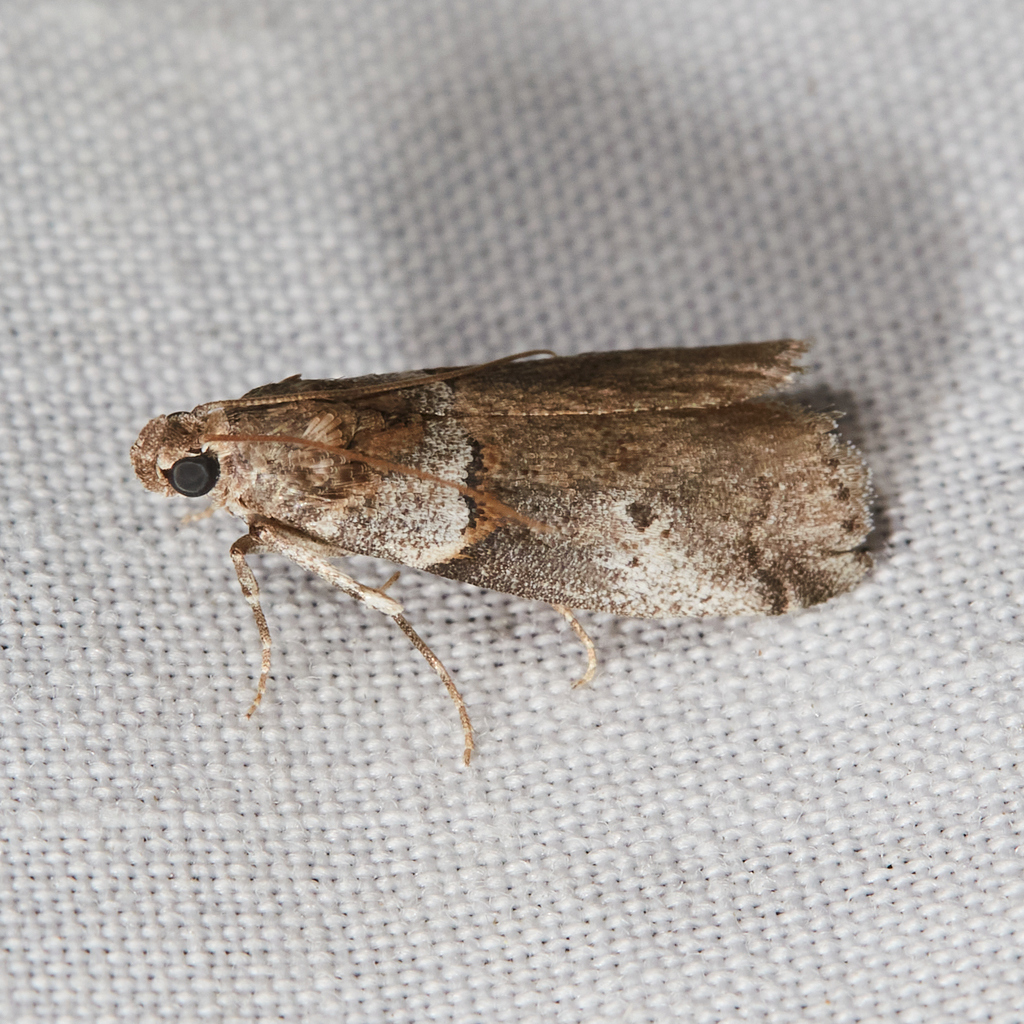
(c) Ken-ichi Ueda, some rights reserved (CC BY) · licence
Family: Pyralidae · Class: Insecta · Order: Lepidoptera
Acrobasis caliginella is a California animal in the Pyralidae family.
Acrobasis caliginella is a small moth belonging to the family Pyralidae, commonly known as snout moths or pyralid moths. This species is part of a diverse group of lepidopterans that includes many economically important pest species, though detailed morphological descriptions of A. caliginella remain limited in the scientific literature. Like other members of the genus Acrobasis, adults likely measure 15-25 mm in wingspan, with forewings typically displaying muted brown, gray, or tan coloration that provides effective camouflage against tree bark and other natural substrates. The distribution and range of Acrobasis caliginella appear to be poorly documented, with limited occurrence records available in major lepidopteran databases. The species has been recorded in North America, though specific regional distributions within California or other western states require further taxonomic and ecological investigation. Many Acrobasis species exhibit restricted distributions tied to specific host plant associations, suggesting that A. caliginella may have similarly narrow habitat requirements. Habitat preferences for this species remain largely undetermined, though members of the genus Acrobasis typically occupy woodland and forest environments where their host plants occur. The larvae of most Acrobasis species are borers or external feeders on woody plants, particularly trees and shrubs in families such as Rosaceae, Fagaceae, and Betulaceae. Adult moths are generally active during warmer months and are attracted to artificial lights, indicating crepuscular or nocturnal flight patterns. The life history and ecological characteristics of Acrobasis caliginella have not been thoroughly studied. Based on related species within the genus, larvae likely undergo complete metamorphosis with egg, larval, pupal, and adult stages. Larval development probably occurs within or on host plant tissues, with feeding patterns that may include boring into stems, feeding on buds or developing fruits, or consuming foliage. The timing of adult emergence and reproductive behavior remain unknown but likely follow seasonal patterns typical of temperate pyralid moths. No specific conservation status has been assigned to Acrobasis caliginella at federal, state, or international levels. The apparent lack of recent taxonomic attention and ecological research suggests either extreme rarity or potential taxonomic uncertainty regarding this species. Many small moth species face conservation challenges due to habitat loss, pesticide applications, and climate change, though the specific threats to A. caliginella cannot be assessed without better understanding of its distribution and ecological requirements. The species may benefit from increased survey efforts and taxonomic research to clarify its status and conservation needs. Further field studies are needed to document population trends, host plant associations, and habitat requirements to inform any future conservation planning efforts.
Classification
Class: Insecta · Order: Lepidoptera · Family: Pyralidae
Frequently asked questions
How is Acrobasis caliginella classified?
Acrobasis caliginella belongs to class Insecta, order Lepidoptera, family Pyralidae.
What family does Acrobasis caliginella belong to?
Acrobasis caliginella is in the Pyralidae family.
What is Acrobasis caliginella?
Acrobasis caliginella is a small moth belonging to the family Pyralidae, commonly known as snout moths or pyralid moths.
Is Acrobasis caliginella found in California?
Yes. Acrobasis caliginella is recorded in California in The California Species Project's catalogue.
Related species
Other California species in the same genus, family, or bioregion.
Data from The California Species Project — 14,000+ California species with verified data from CNPS, CDFW, USFWS, and more.