Acrolophus kearfotti
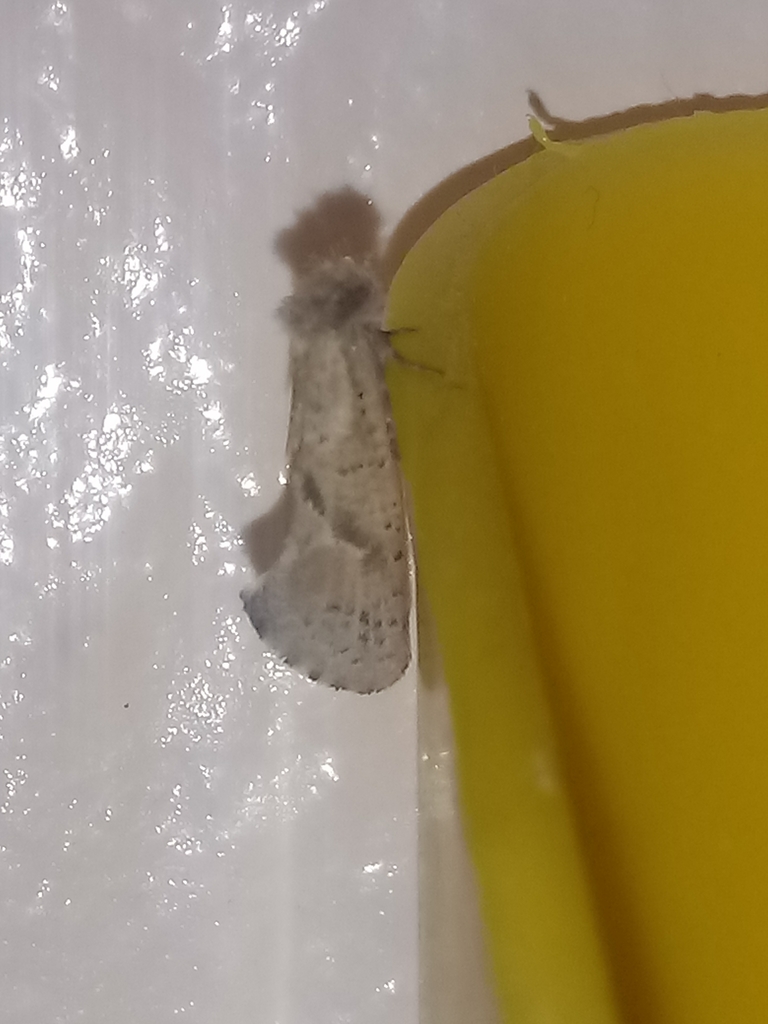
(c) srsvivos, some rights reserved (CC BY) · licence
Family: Tineidae · Class: Insecta · Order: Lepidoptera
Acrolophus kearfotti is a California animal in the Tineidae family.
Acrolophus kearfotti is a moth in the family Acrolophidae, first described by Harrison Gray Dyar Jr. in 1903. This species belongs to a group of moths commonly known as burrowing webworm moths or grass moths. The Acrolophidae family consists of small to medium-sized moths whose larvae typically develop in plant debris, fungal matter, or create galleries in stems and roots of various plants. The physical characteristics of A. kearfotti have not been extensively documented in the scientific literature. Like other members of the Acrolophidae family, adults are likely small moths with narrow forewings and relatively broad hindwings. The coloration and specific morphological features that distinguish this species from other Acrolophus moths require further documentation through taxonomic studies. Acrolophus kearfotti occurs across the southwestern United States, with confirmed records from Arizona, California, Florida, Nevada, and New Mexico (iNaturalist). Within California, the species has been documented in Mendocino County, with specimen records from the Eel River area. The broad distribution across multiple southwestern states suggests the species may be more widespread than current records indicate, potentially occurring in suitable habitat throughout the region. The specific habitat requirements for A. kearfotti remain poorly documented. Based on the ecology of related Acrolophidae species, adults likely occur in areas with suitable host plants or organic matter where larvae can develop. The presence of specimens from diverse geographic regions suggests the species may utilize various habitat types, potentially including grasslands, shrublands, and areas with accumulated plant debris where larvae can establish feeding galleries. Detailed information about the behavior, life cycle, and ecological requirements of A. kearfotti is lacking in current scientific literature. Like other Acrolophidae moths, larvae likely feed on decaying organic matter, fungal materials, or create feeding galleries in plant tissues. The timing of adult emergence, mating behaviors, and specific larval host plants have not been well documented. Adult flight periods and seasonal activity patterns require additional field observations and research. Acrolophus kearfotti does not appear to have any formal conservation status at federal or state levels. The species is not listed under the federal Endangered Species Act or California's special concern species designations. Current population trends and conservation needs are unknown due to limited ecological research. The apparent broad geographic distribution suggests the species may be relatively stable, though systematic surveys would be needed to assess population status and identify any conservation concerns. Scientific documentation for this species remains limited. The information presented here is based on available taxonomic records and specimen databases. Additional research is needed to document the species' detailed morphology, habitat preferences, life history, and distribution patterns within California and throughout its range.
Classification
Class: Insecta · Order: Lepidoptera · Family: Tineidae
Frequently asked questions
How is Acrolophus kearfotti classified?
Acrolophus kearfotti belongs to class Insecta, order Lepidoptera, family Tineidae.
What family does Acrolophus kearfotti belong to?
Acrolophus kearfotti is in the Tineidae family.
What is Acrolophus kearfotti?
Acrolophus kearfotti is a moth in the family Acrolophidae, first described by Harrison Gray Dyar Jr.
Is Acrolophus kearfotti found in California?
Yes. Acrolophus kearfotti is recorded in California in The California Species Project's catalogue.
Related species
Other California species in the same genus, family, or bioregion.
Data from The California Species Project — 14,000+ California species with verified data from CNPS, CDFW, USFWS, and more.