Acronicta lepusculina
Cottonwood Dagger Moth
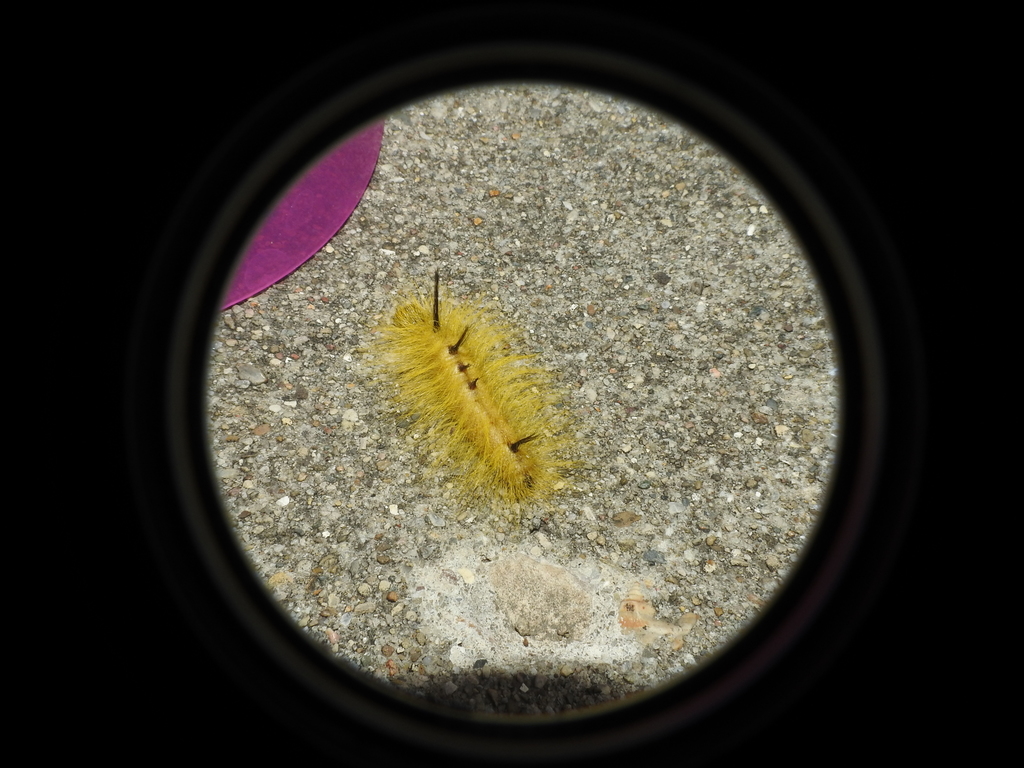
no rights reserved · CC0
Family: Noctuidae · Class: Insecta · Order: Lepidoptera
Acronicta lepusculina (Cottonwood Dagger Moth) is a California animal in the Noctuidae family.
The Cottonwood Dagger Moth is a medium-sized moth in the family Noctuidae, subfamily Acronictinae. Adult moths display gray forewings with distinctive dark markings, including a characteristic dagger-like mark that gives the species its common name. The forewings feature complex patterns of lines and spots, with postmedial lines that help distinguish this species from closely related Acronicta moths. Adults typically measure 35-45 mm in wingspan, with females generally larger than males. The species exhibits one of the broadest distributions among North American Acronicta moths, ranging from British Columbia to Nova Scotia across southern Canada, and extending south throughout the continental United States to Florida and west to California (BugGuide 2025). This transcontinental distribution makes it one of the most widespread dagger moths in North America. In California, the species occurs in suitable riparian habitats throughout much of the state. Cottonwood Dagger Moths inhabit forested riverbanks and treed floodplains, showing a strong association with riparian woodlands (BugGuide 2025). These moths are typically found in areas supporting their primary host plants, which include species in the Salicaceae family. The species appears to prefer areas with mature cottonwoods and willows, often in bottomland forests and along watercourses where these trees naturally occur. Larvae are specialist feeders on Salicaceae, primarily consuming leaves of Populus species including trembling aspen, balsam poplar, and cottonwood, as well as birch and willow (Moth Photographers Group 2025, BugGuide 2025). Adults are nocturnal and attracted to artificial lights. The species exhibits geographic variation in voltinism, producing one generation per year in northern regions and two generations in southern areas. In northern populations, adults fly from May to August, while southern populations have an extended flight period from April to September (BugGuide 2025). The species overwinters as a pupa in a cocoon. The Cottonwood Dagger Moth appears to maintain stable populations across most of its range and currently holds no federal or state conservation listing status. However, like many riparian-associated species, local populations may face pressures from habitat modification, particularly the alteration or removal of native cottonwood and willow stands along waterways. Urban development, agricultural conversion of floodplains, and water management practices that alter natural flooding regimes can impact the availability of suitable breeding habitat. Climate change may also affect the species through alterations to riparian forest composition and the timing of host plant phenology. The species' broad host plant range and extensive distribution likely provide some resilience against localized habitat losses, though continued monitoring of riparian moth communities would help assess long-term population trends.
Classification
Class: Insecta · Order: Lepidoptera · Family: Noctuidae
Frequently asked questions
How is Acronicta lepusculina classified?
Acronicta lepusculina belongs to class Insecta, order Lepidoptera, family Noctuidae.
What family does Acronicta lepusculina belong to?
Acronicta lepusculina is in the Noctuidae family.
What is Acronicta lepusculina?
The Cottonwood Dagger Moth is a medium-sized moth in the family Noctuidae, subfamily Acronictinae.
Is Acronicta lepusculina found in California?
Yes. Acronicta lepusculina is recorded in California in The California Species Project's catalogue.
Related species
Other California species in the same genus, family, or bioregion.
Data from The California Species Project — 14,000+ California species with verified data from CNPS, CDFW, USFWS, and more.