Acronicta lupini
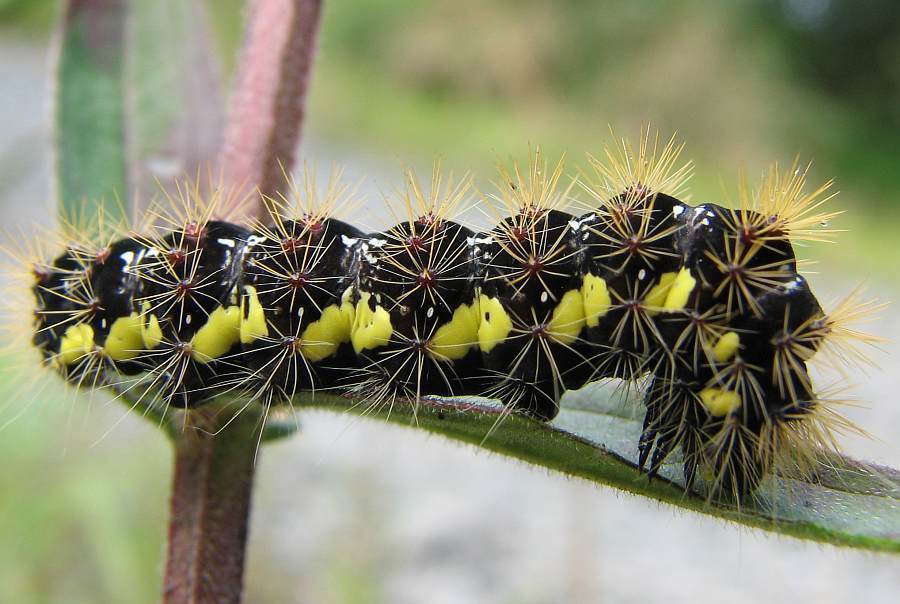
(c) christine123, some rights reserved (CC BY) · licence
Family: Noctuidae · Class: Insecta · Order: Lepidoptera
Acronicta lupini is a California animal in the Noctuidae family.
Acronicta lupini is a moth species in the family Noctuidae, commonly known as dagger moths. This species belongs to the genus Acronicta, which includes approximately 150 species in North America characterized by their distinctive larval appearance and nocturnal adult behavior. Adults typically measure 35 to 45 mm in wingspan, displaying the characteristic dagger moth pattern of gray-brown forewings with darker markings and lighter hindwings. The forewings bear distinctive black dagger-like markings that give the genus its common name, along with subtle wave-like patterns and darker cross-lines typical of noctuids. The species occurs in western North America, with documented populations in California, Oregon, Washington, and British Columbia. In California, Acronicta lupini has been recorded from various locations throughout the state, though specific distributional data remains limited. The species appears to follow the distribution of its host plants, which influences its regional occurrence patterns. Acronica lupini inhabits areas where lupine species are present, as these serve as the primary larval host plants. The species is typically found in open woodlands, chaparral, grasslands, and disturbed areas where lupines naturally occur or have been established. Elevational range appears to correspond with lupine distribution, from sea level to montane environments. Adults are attracted to artificial lights and can be found in areas adjacent to lupine populations during flight periods. Larvae of Acronicta lupini feed exclusively on lupine species (Lupinus spp.), making this a specialized herbivore dependent on these nitrogen-fixing legumes. The caterpillars are distinctive among dagger moth larvae, typically displaying dense hair tufts and warning coloration. Development follows the typical noctuid pattern with egg, larval, pupal, and adult stages. Adults are nocturnal and likely have one or two generations per year, depending on local climate conditions and host plant phenology. Mating and egg-laying behaviors follow standard noctuid patterns, with females depositing eggs on or near host plants. The conservation status of Acronicta lupini has not been formally assessed by federal or state agencies, and the species does not appear on any official listing documents. Population trends remain poorly documented, though the species' dependence on lupine host plants makes it potentially vulnerable to habitat loss and changes in plant community composition. Lupine populations can be affected by development, agricultural conversion, altered fire regimes, and invasive species competition. Climate change may also impact the species through effects on host plant distribution and phenology. The specialized nature of the host plant relationship means that conservation of lupine habitats directly benefits this moth species. Further research is needed to better understand population status, distribution patterns, and specific ecological requirements to assess any conservation needs.
Classification
Class: Insecta · Order: Lepidoptera · Family: Noctuidae
Frequently asked questions
How is Acronicta lupini classified?
Acronicta lupini belongs to class Insecta, order Lepidoptera, family Noctuidae.
What family does Acronicta lupini belong to?
Acronicta lupini is in the Noctuidae family.
What is Acronicta lupini?
Acronicta lupini is a moth species in the family Noctuidae, commonly known as dagger moths.
Is Acronicta lupini found in California?
Yes. Acronicta lupini is recorded in California in The California Species Project's catalogue.
Related species
Other California species in the same genus, family, or bioregion.
Data from The California Species Project — 14,000+ California species with verified data from CNPS, CDFW, USFWS, and more.