Adelphagrotis stellaris
Stellar Adelphagrotis
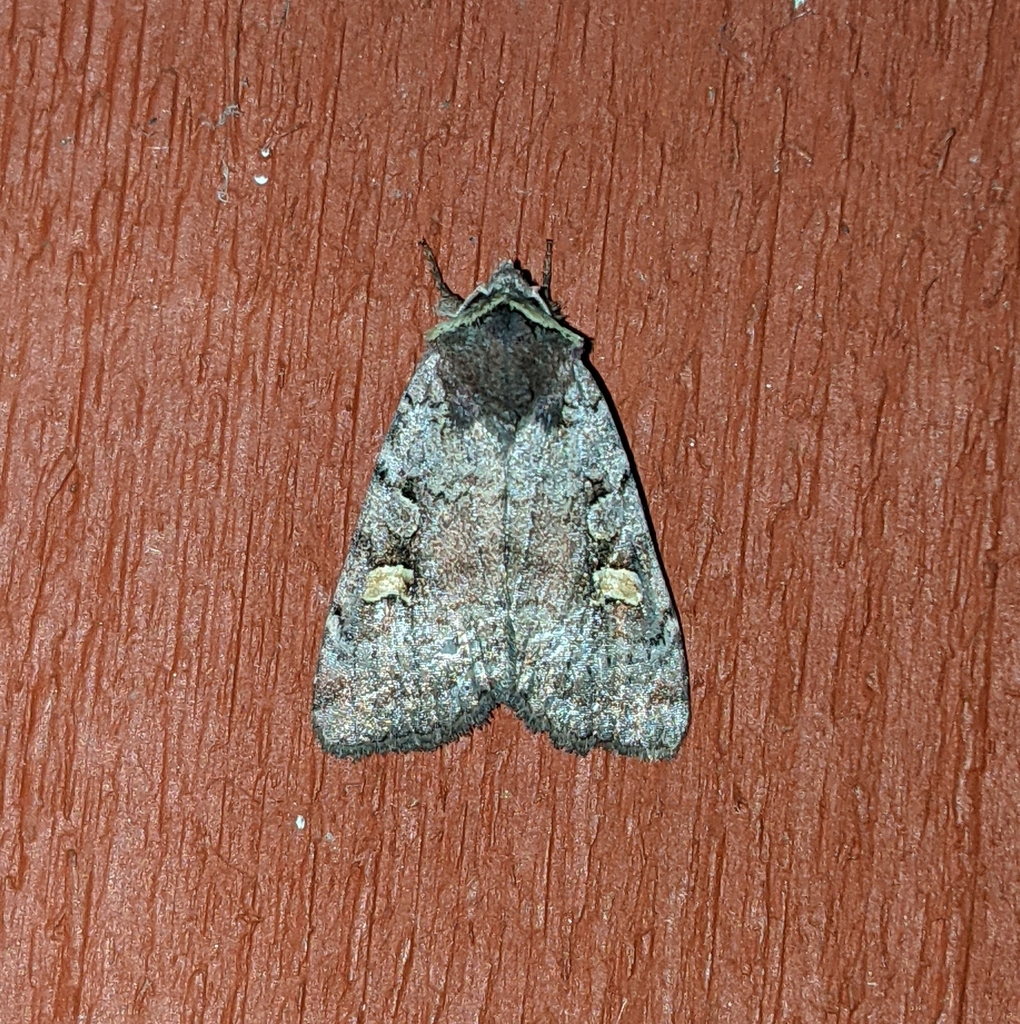
no rights reserved · CC0
Family: Noctuidae · Class: Insecta · Order: Lepidoptera
Adelphagrotis stellaris (Stellar Adelphagrotis) is a California animal in the Noctuidae family.
Adelphagrotis stellaris is a moth species in the family Noctuidae, commonly known as cutworm moths or dart moths. This species belongs to the diverse genus Adelphagrotis, which comprises several North American noctuids with complex taxonomic relationships that continue to challenge lepidopterists. The physical characteristics of A. stellaris follow the typical noctuidae body plan, with forewings adapted for cryptic coloration and hindwings that are generally paler. Like other members of its genus, this species likely exhibits the muted earth tones characteristic of ground-dwelling noctuids, though detailed morphological descriptions remain limited in the scientific literature. Adult wing patterns and specific identifying features have not been comprehensively documented across its range. Adelphagrotis stellaris occurs across multiple western North American states, with confirmed records from California, Nevada, and several other western regions. In California, the species has been documented from various counties, though specific distribution patterns within the state require further survey work. The species appears to have a broader western distribution, as indicated by collection records from multiple state wildlife action plans that list it as a Species of Greatest Conservation Need. Habitat preferences for A. stellaris appear to be associated with arid and semi-arid environments typical of western North America. Based on collection data, the species occurs in desert and montane habitats, including areas documented in the Klamath region and other elevated locations (News of the Lepidopterists' Society 2012). The species has been collected at Sand Creek in the Antelope Desert area of Klamath County, suggesting adaptation to high desert environments. Specific elevation ranges and microhabitat requirements have not been thoroughly studied. Ecological information for A. stellaris remains largely undocumented. As with most noctuidae, larvae likely feed on herbaceous plants and may exhibit the soil-dwelling behavior typical of cutworm species. Adult flight periods appear to occur during summer months, with collection records from July indicating peak activity during this period (News of the Lepidopterists' Society 2012). Specific host plant relationships, larval ecology, and detailed life cycle information have not been published for this species. Conservation status for A. stellaris reflects the broader challenge of assessing rare or poorly known moth species. The species appears on Species of Greatest Conservation Need lists for multiple states, including Arkansas, New Mexico, New York, and Louisiana, indicating regional conservation concern (BugGuide). However, A. stellaris lacks federal listing status and does not appear to have a designated conservation rank from standard agencies. The inclusion on multiple state conservation lists suggests populations may be declining or data-deficient, though specific population trends have not been quantified. Primary threats likely include habitat modification and climate change impacts on western arid ecosystems, though species-specific threat assessments have not been conducted. The limited scientific documentation highlights the need for targeted surveys and ecological research to better understand this species' conservation needs and inform appropriate management strategies.
Classification
Class: Insecta · Order: Lepidoptera · Family: Noctuidae
Frequently asked questions
How is Adelphagrotis stellaris classified?
Adelphagrotis stellaris belongs to class Insecta, order Lepidoptera, family Noctuidae.
What family does Adelphagrotis stellaris belong to?
Adelphagrotis stellaris is in the Noctuidae family.
What is Adelphagrotis stellaris?
Adelphagrotis stellaris is a moth species in the family Noctuidae, commonly known as cutworm moths or dart moths.
Is Adelphagrotis stellaris found in California?
Yes. Adelphagrotis stellaris is recorded in California in The California Species Project's catalogue.
Related species
Other California species in the same genus, family, or bioregion.
Data from The California Species Project — 14,000+ California species with verified data from CNPS, CDFW, USFWS, and more.