Admetovis similaris
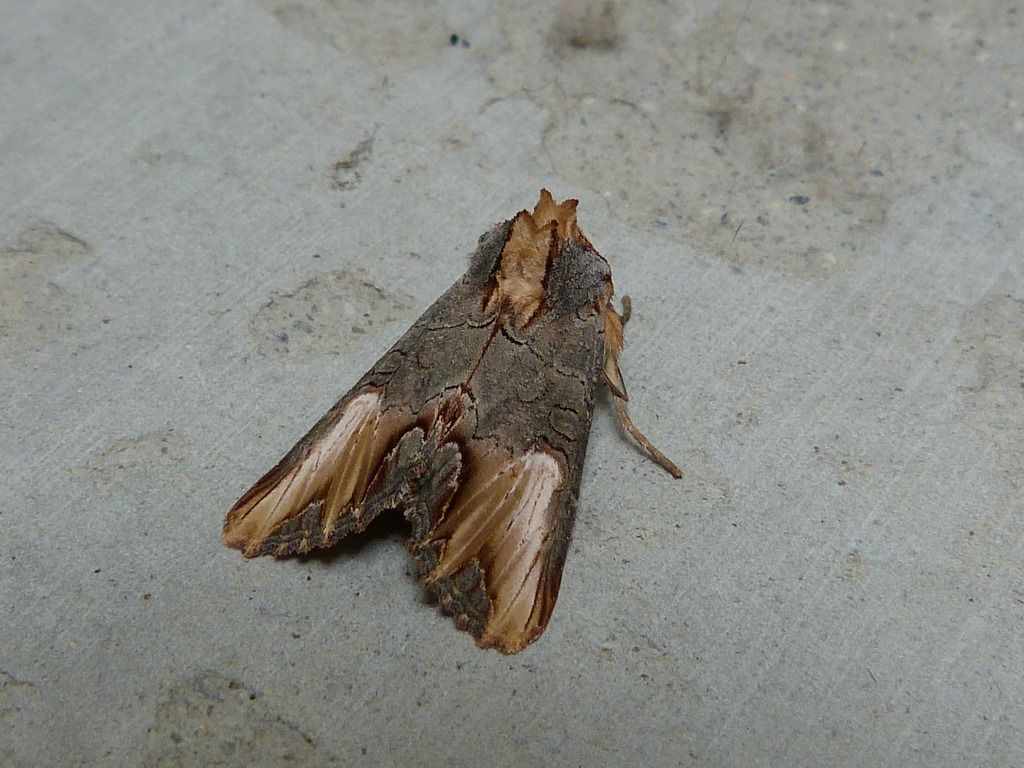
(c) Zack Abbey, some rights reserved (CC BY) · licence
Family: Noctuidae · Class: Insecta · Order: Lepidoptera
Admetovis similaris is a California animal in the Noctuidae family.
Admetovis similaris is a moth species in the family Noctuidae, commonly known as owlet moths or cutworm moths. This species belongs to a genus of small to medium-sized noctuid moths found primarily in western North America. Adult moths typically measure 12 to 18 mm in forewing length, with wingspan ranging from 24 to 36 mm. The forewings display muted brown and gray coloration with subtle darker markings, including indistinct reniform and orbicular spots characteristic of many noctuids. The hindwings are typically pale gray to whitish with darker marginal borders. The range of Admetovis similaris includes portions of California, though specific distributional data for this species remains limited in published literature. The genus Admetovis is represented by several species across the western United States, with individual species often showing restricted ranges within specific ecological zones. Current records suggest occurrence in both coastal and inland regions of California, though comprehensive distribution mapping has not been completed. Habitat preferences for A. similaris appear to include areas with native shrubland and woodland vegetation. Like other members of the genus, this species likely inhabits areas with diverse plant communities that support larval development. Many noctuids in similar ecological niches utilize multiple host plant species, suggesting potential associations with various shrubs and herbaceous plants common in California ecosystems. Elevation ranges and specific microhabitat requirements remain poorly documented. Adult flight periods for Admetovis similaris are not well-established in available literature, though related species in the genus typically exhibit spring or early summer emergence patterns. Like most noctuids, adults are nocturnal and attracted to artificial light sources. Larval biology remains largely unknown, including specific host plant relationships and developmental timing. The larvae likely follow typical noctuid patterns of feeding on foliage or stems of host plants, potentially pupating in soil or leaf litter. No formal conservation status has been assigned to Admetovis similaris at federal or state levels. The species appears to lack comprehensive population monitoring or threat assessment. Many smaller noctuid species face potential impacts from habitat conversion, urbanization, and altered fire regimes in California ecosystems. Climate change may affect suitable habitat ranges and phenological timing for species with limited distributions. The absence of detailed ecological and distributional data represents a significant knowledge gap that limits conservation planning efforts. Further research is needed to establish baseline population status, habitat requirements, and potential conservation needs for this species.
Classification
Class: Insecta · Order: Lepidoptera · Family: Noctuidae
Frequently asked questions
How is Admetovis similaris classified?
Admetovis similaris belongs to class Insecta, order Lepidoptera, family Noctuidae.
What family does Admetovis similaris belong to?
Admetovis similaris is in the Noctuidae family.
What is Admetovis similaris?
Admetovis similaris is a moth species in the family Noctuidae, commonly known as owlet moths or cutworm moths.
Is Admetovis similaris found in California?
Yes. Admetovis similaris is recorded in California in The California Species Project's catalogue.
Related species
Other California species in the same genus, family, or bioregion.
Data from The California Species Project — 14,000+ California species with verified data from CNPS, CDFW, USFWS, and more.