Agonopterix nubiferella
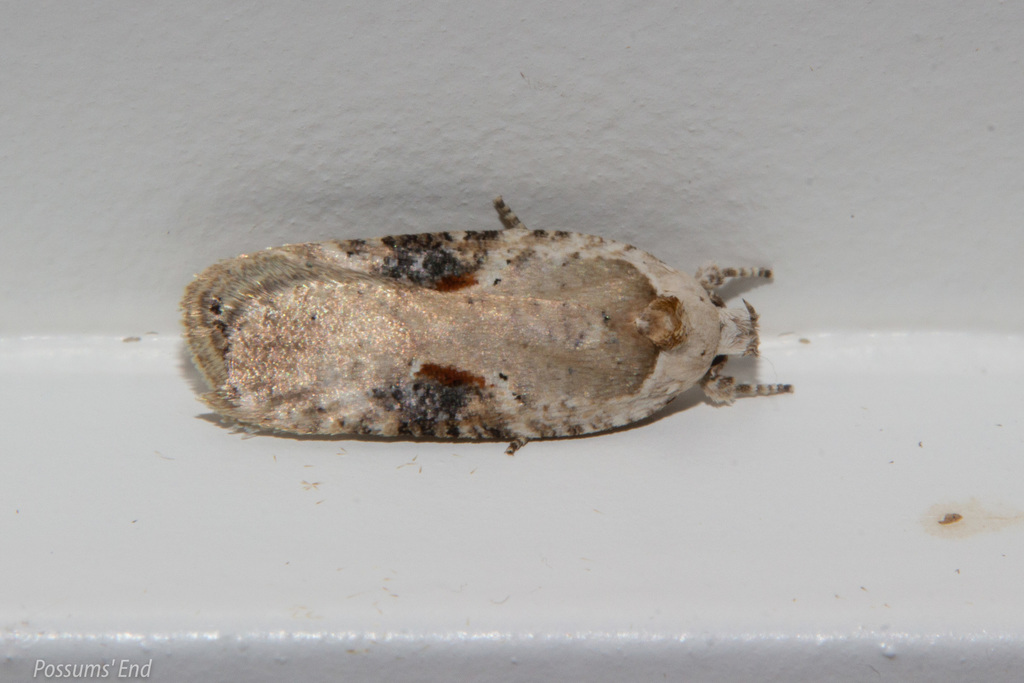
(c) Possums' End, some rights reserved (CC BY) · licence
Family: Depressariidae · Class: Insecta · Order: Lepidoptera
Agonopterix nubiferella is a California animal in the Depressariidae family.
Agonopterix nubiferella is a moth in the family Depressariidae, described by Thomas de Grey, 6th Baron Walsingham in 1881. This species belongs to a diverse genus of small moths known for their association with various host plants, particularly in the Apiaceae family. The physical characteristics of A. nubiferella have not been extensively documented in the scientific literature. Like other Agonopterix species, adults are typically small moths with narrow forewings and reduced hindwings. The genus is characterized by moths that hold their wings in a distinctive rolled posture when at rest, with the forewings wrapped around the body. Agonopterix nubiferella occurs in western North America, with a range extending from northern California to British Columbia (Wikipedia). The species appears to be distributed along the Pacific coastal region and associated mountain ranges, though specific locality records within California have not been well documented in available sources. The northernmost extent of the range reaches into southwestern Canada. Habitat requirements for this species remain poorly documented. Based on the distribution pattern and the ecology of related Agonopterix species, A. nubiferella likely inhabits areas where suitable host plants occur. Many species in this genus are associated with forest edges, meadows, and areas with mixed vegetation that support umbelliferous plants. The elevation range and specific microhabitat preferences have not been established through published research. The life history and ecological requirements of A. nubiferella are not well documented in current scientific literature. Most Agonopterix moths have larvae that feed as leaf miners or in silk shelters on their host plants, typically plants in the carrot family (Apiaceae). Adults are generally active during warmer months, with timing varying by latitude and elevation. Flight periods, mating behavior, and overwintering strategies for this particular species have not been specifically studied or reported. The conservation status of Agonopterix nubiferella has not been formally assessed by state or federal agencies. No population estimates or trend data are available for this species. The lack of comprehensive distributional data and ecological information makes it difficult to evaluate potential conservation concerns. Like many microlepidoptera, this species may be overlooked in standard survey methods, leading to gaps in our understanding of its abundance and distribution patterns. Primary threats to A. nubiferella, if any exist, have not been identified due to limited ecological knowledge. Potential threats common to other small moths include habitat loss, climate change, and pesticide use, but species-specific impacts have not been documented. Scientific documentation for this species remains limited. The information presented here is based on available taxonomic sources and general knowledge of the genus. If you have additional verified information about this species' biology, distribution, or ecology, please contact us to help improve this species account.
Classification
Class: Insecta · Order: Lepidoptera · Family: Depressariidae
Frequently asked questions
How is Agonopterix nubiferella classified?
Agonopterix nubiferella belongs to class Insecta, order Lepidoptera, family Depressariidae.
What family does Agonopterix nubiferella belong to?
Agonopterix nubiferella is in the Depressariidae family.
What is Agonopterix nubiferella?
Agonopterix nubiferella is a moth in the family Depressariidae, described by Thomas de Grey, 6th Baron Walsingham in 1881.
Is Agonopterix nubiferella found in California?
Yes. Agonopterix nubiferella is recorded in California in The California Species Project's catalogue.
Related species
Other California species in the same genus, family, or bioregion.
Data from The California Species Project — 14,000+ California species with verified data from CNPS, CDFW, USFWS, and more.