Agonopterix psoraliella
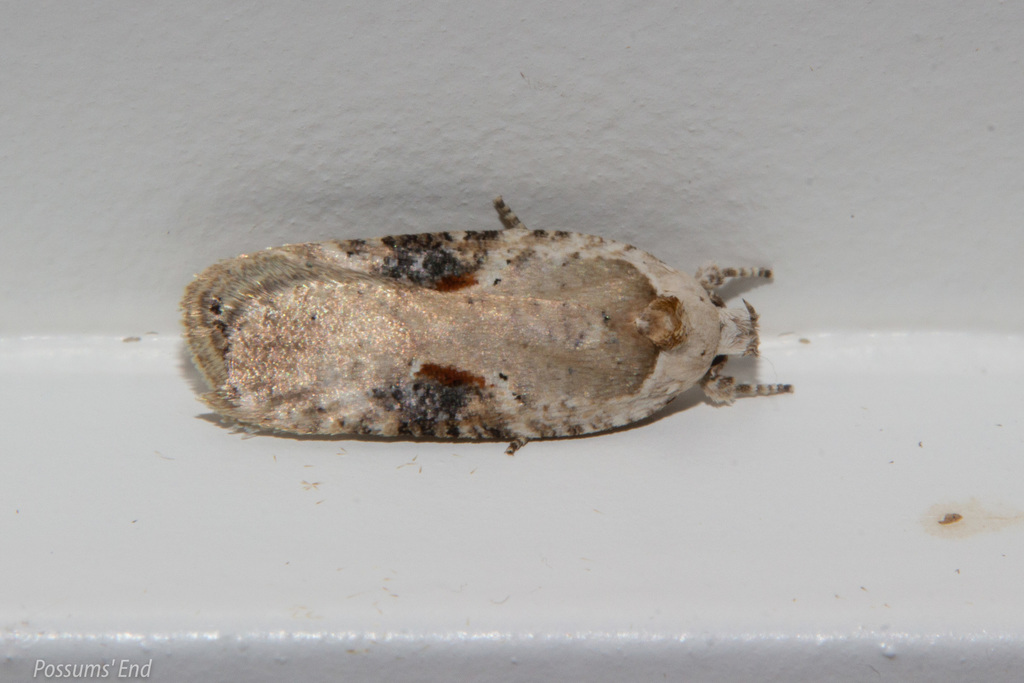
(c) Possums' End, some rights reserved (CC BY) · licence
Family: Depressariidae · Class: Insecta · Order: Lepidoptera
Agonopterix psoraliella is a California animal in the Depressariidae family.
Agonopterix psoraliella is a small moth in the family Depressariidae, part of the diverse order Lepidoptera. This species belongs to the genus Agonopterix, which comprises numerous micromoths distributed across North America. Limited taxonomic and biological information is currently available for this particular species in scientific literature. The physical characteristics of A. psoraliella follow the general morphology typical of the Depressariidae family. Adult moths are small, typically measuring 8 to 12 millimeters in forewing length. The forewings are generally narrow and elongated, with coloration patterns that often include brown, gray, or buff tones. The hindwings are typically lighter in color and may appear somewhat translucent. As with most elachistid moths, the antennae are thread-like, and the moths have a delicate, slender build characteristic of microlepidoptera. The distribution and range of Agonopterix psoraliella within California and North America requires further documentation through systematic surveys. Many species within the genus Agonopterix are associated with specific plant families, particularly those in the Rosaceae, Fabaceae, and other herbaceous plant groups. The species epithet 'psoraliella' suggests a potential association with plants in the genus Psoralea or related leguminous plants, though this connection requires verification through field observations and rearing studies. Habitat preferences for A. psoraliella likely correspond to areas where suitable host plants occur. Many Agonopterix species inhabit diverse environments including grasslands, chaparral, oak woodlands, and riparian areas where their larval host plants are present. The species may occur at various elevations depending on the distribution of associated vegetation communities. The life cycle of A. psoraliella presumably follows the typical pattern observed in related Agonopterix species. Larvae are likely leaf miners or external feeders on specific host plants, creating characteristic feeding damage patterns. Adult flight periods vary among Agonopterix species but commonly occur during spring through fall months, with some species having multiple generations per year. Mating and egg-laying behaviors likely follow patterns similar to related microlepidoptera, with females depositing eggs on or near suitable host plant material. The conservation status of Agonopterix psoraliella remains undetermined due to limited survey data and taxonomic uncertainty. Many microlepidoptera species face challenges from habitat modification, invasive plant species that may displace native host plants, and climate change effects on plant-insect relationships. Urban development and agricultural conversion of natural habitats pose potential threats to specialist herbivorous moths like those in the genus Agonopterix. Further research is needed to document the distribution, host plant relationships, life history, and conservation needs of A. psoraliella. Systematic surveys using appropriate collection methods for microlepidoptera, combined with DNA barcoding and taxonomic verification, would contribute valuable information about this species. Understanding the ecology and status of such specialist insects is important for comprehensive biodiversity conservation in California's diverse ecosystems.
Classification
Class: Insecta · Order: Lepidoptera · Family: Depressariidae
Frequently asked questions
How is Agonopterix psoraliella classified?
Agonopterix psoraliella belongs to class Insecta, order Lepidoptera, family Depressariidae.
What family does Agonopterix psoraliella belong to?
Agonopterix psoraliella is in the Depressariidae family.
What is Agonopterix psoraliella?
Agonopterix psoraliella is a small moth in the family Depressariidae, part of the diverse order Lepidoptera.
Is Agonopterix psoraliella found in California?
Yes. Agonopterix psoraliella is recorded in California in The California Species Project's catalogue.
Related species
Other California species in the same genus, family, or bioregion.
Data from The California Species Project — 14,000+ California species with verified data from CNPS, CDFW, USFWS, and more.