Allerastria albiciliatus.
White-fringed Allerastria
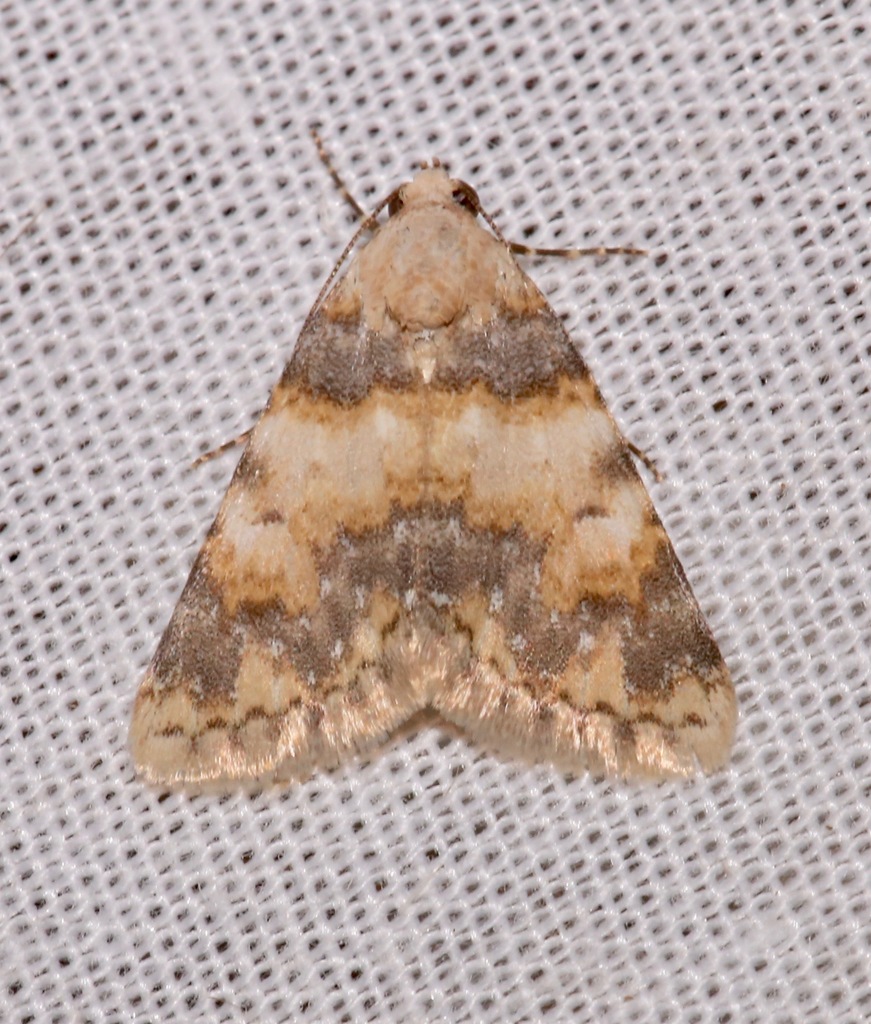
(c) Laura Gaudette, some rights reserved (CC BY) · licence
Family: Erebidae · Class: Insecta · Order: Lepidoptera
Allerastria albiciliatus. (White-fringed Allerastria) is a California animal in the Erebidae family.
Allerastria albiciliatus is a species of owlet moth in the family Erebidae. The common name "White-fringed Allerastria" likely refers to distinctive white fringe scales along the wing margins, though detailed morphological descriptions are not well documented in the scientific literature. As with most moths in the subfamily Erebinae, this species is nocturnal and presumably attracted to artificial lights during evening hours. The species occurs across a broad range spanning central California east to Colorado and south to southern Arizona. This distribution encompasses diverse ecological regions including the Great Basin, Sonoran Desert, and portions of the Colorado Plateau. Within California, the species is presumably found in the Central Valley and Sierra Nevada foothills, though specific county records have not been thoroughly documented. The eastern extent of the range includes Colorado's lower elevation zones, while southern populations occur in Arizona's desert regions. Habitat requirements for A. albiciliatus remain poorly documented. Given its distribution across multiple biogeographic regions, the species likely occupies varied habitat types from semi-arid grasslands and chaparral in California to pinyon-juniper woodlands at higher elevations and desert scrub communities in Arizona. The broad elevation range suggested by this distribution likely spans from near sea level in California's Central Valley to several thousand feet in montane areas of Colorado and Arizona. Specific ecological information including larval host plants, flight period, and reproductive behavior has not been well documented in published literature. Most Erebidae moths are nocturnal with larvae that feed on herbaceous plants or low shrubs, though the specific host plant associations for this species remain unknown. Flight period timing and voltinism (number of generations per year) across the species' range are similarly undocumented, though most moths in this family have defined flight seasons corresponding to favorable temperature and moisture conditions. No conservation status has been assigned to A. albiciliatus at federal or state levels. The species is not currently listed under the Endangered Species Act nor does it appear on California's Species of Special Concern list. Population trends and potential threats are unknown due to limited survey data and taxonomic research. Like many nocturnal moth species, A. albiciliatus may face pressures from habitat conversion, light pollution affecting navigation and mating behaviors, and climate change altering the distribution of suitable habitats across its range. Scientific documentation for this species remains extremely limited despite its occurrence across multiple states. The information presented here is based on available taxonomic databases and distribution records. If you have additional verified information about this species' biology, host plants, flight period, or specific habitat associations, please contact us to help improve this species account.
Classification
Class: Insecta · Order: Lepidoptera · Family: Erebidae
Frequently asked questions
How is Allerastria albiciliatus. classified?
Allerastria albiciliatus. belongs to class Insecta, order Lepidoptera, family Erebidae.
What family does Allerastria albiciliatus. belong to?
Allerastria albiciliatus. is in the Erebidae family.
What is Allerastria albiciliatus.?
Allerastria albiciliatus is a species of owlet moth in the family Erebidae.
Is Allerastria albiciliatus. found in California?
Yes. Allerastria albiciliatus. is recorded in California in The California Species Project's catalogue.
Related species
Other California species in the same genus, family, or bioregion.
Data from The California Species Project — 14,000+ California species with verified data from CNPS, CDFW, USFWS, and more.