Alsophila pometaria
Fall Cankerworm Moth
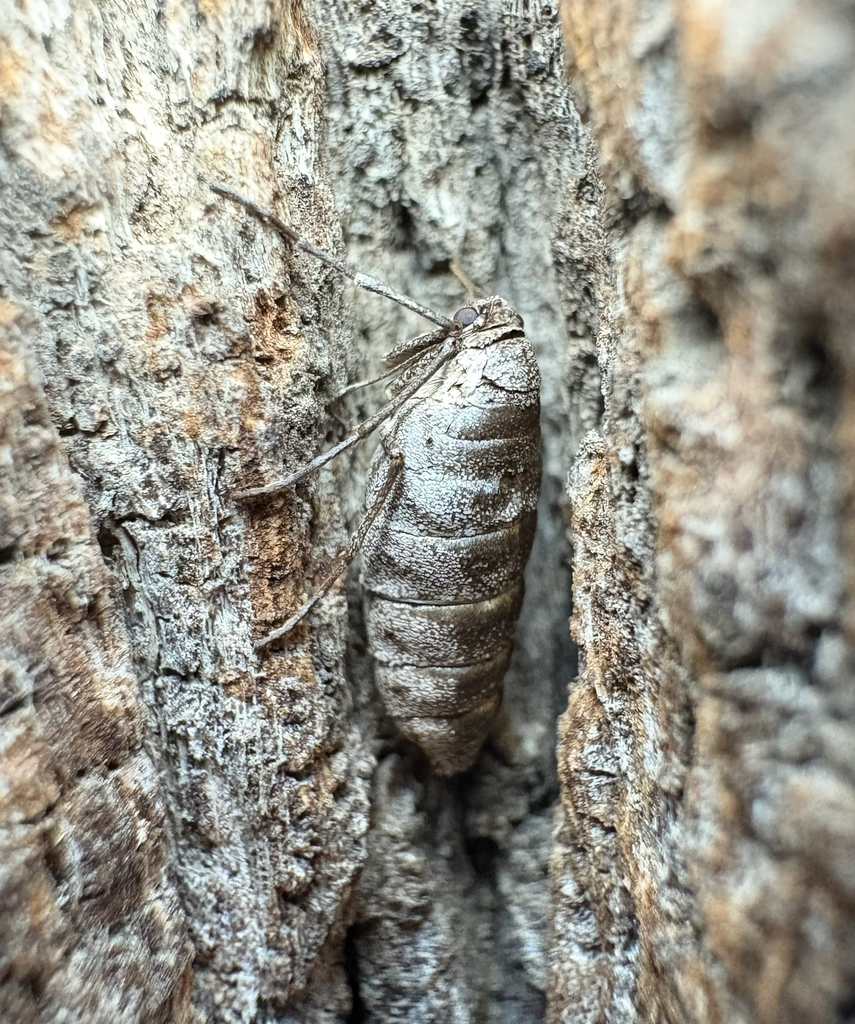
(c) eml23, some rights reserved (CC BY) · licence
Family: Geometridae · Class: Insecta · Order: Lepidoptera
Alsophila pometaria (Fall Cankerworm Moth) is a California animal in the Geometridae family.
The Fall Cankerworm Moth (Alsophila pometaria) is a geometrid moth in the family Geometridae, subfamily Ennominae, tribe Alsophilini. Adult males are moderately sized with a wingspan of approximately 25-30 mm, displaying brownish-gray forewings with darker crosslines and a distinctive white spot near the center of each wing. Females are wingless, appearing as pale gray to brownish crawling insects with a robust, egg-laden abdomen. This sexual dimorphism is characteristic of the genus Alsophila and represents an adaptation to late fall emergence when flight conditions are challenging. Fall Cankerworm Moths are distributed across eastern North America, from southeastern Canada south to Georgia and west to the Great Plains. The species occurs throughout much of the eastern United States, including documented populations in areas such as Great Swamp National Wildlife Refuge in New Jersey and New York (USFWS 2014). In California, the species' presence and distribution require further documentation, as most authoritative sources focus on eastern populations. This species inhabits deciduous and mixed forests, woodlands, and suburban areas with abundant deciduous trees. Adults emerge during late fall and early winter, typically from October through December, when most other moth species have concluded their flight seasons. The wingless females climb tree trunks to mate and deposit eggs on bark surfaces, where eggs overwinter before hatching in spring. Fall Cankerworm larvae, known as inchworms or loopers, are polyphagous feeders with an extensive host plant range spanning multiple families. According to the Moth Photographers Group, documented host families include Betulaceae, Fagaceae, Rosaceae, Salicaceae, Ulmaceae, and others. Specific host genera include Acer (maples), Betula (birches), Quercus (oaks), Prunus (cherries), Ulmus (elms), Populus (poplars), and many additional deciduous trees and shrubs. Larvae hatch in early spring, coinciding with bud break, and feed on emerging foliage for approximately six weeks before pupating in soil. The species plays a significant ecological role as a native defoliator in eastern North American forests. Natural population cycles of cankerworms, including A. pometaria, represent normal forest processes, though outbreak populations can cause noticeable defoliation (NatureServe 2004). Unlike introduced defoliators such as gypsy moth, native cankerworm outbreaks are typically less persistent and more integrated into forest ecosystem dynamics. Larvae serve as important food sources for migrating songbirds during spring, with many warbler species timing their arrival to coincide with peak caterpillar abundance. Fall Cankerworm Moths are not federally or state listed as species of conservation concern. The species appears to maintain stable populations throughout most of its range, benefiting from diverse host plant relationships and adaptation to human-modified landscapes. However, like many forest-associated species, populations may face localized impacts from habitat fragmentation, pesticide applications, and climate change effects on phenological synchrony between egg hatch and host plant leaf emergence. The species' role in forest ecosystems and its value as a food resource for wildlife emphasize the importance of maintaining healthy deciduous forest communities across its range.
Classification
Class: Insecta · Order: Lepidoptera · Family: Geometridae
Frequently asked questions
How is Alsophila pometaria classified?
Alsophila pometaria belongs to class Insecta, order Lepidoptera, family Geometridae.
What family does Alsophila pometaria belong to?
Alsophila pometaria is in the Geometridae family.
What is Alsophila pometaria?
The Fall Cankerworm Moth (Alsophila pometaria) is a geometrid moth in the family Geometridae, subfamily Ennominae, tribe Alsophilini.
Is Alsophila pometaria found in California?
Yes. Alsophila pometaria is recorded in California in The California Species Project's catalogue.
Related species
Other California species in the same genus, family, or bioregion.
Data from The California Species Project — 14,000+ California species with verified data from CNPS, CDFW, USFWS, and more.