Amblyptilia pica
Geranium Plume Moth
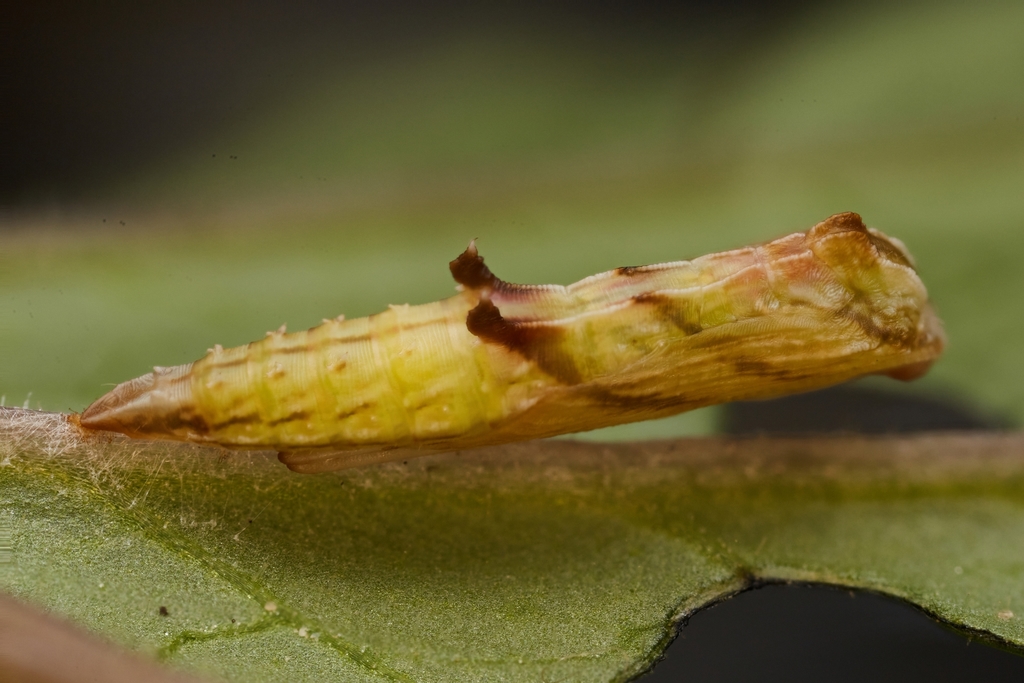
(c) Ken-ichi Ueda, some rights reserved (CC BY) · licence
Family: Pterophoridae · Class: Insecta · Order: Lepidoptera
Amblyptilia pica (Geranium Plume Moth) is a California animal in the Pterophoridae family.
The Geranium Plume Moth is a small lepidopteran belonging to the family Pterophoridae, commonly known as plume moths. These moths are characterized by their distinctive feathery or plume-like wing structure, where the forewings are divided into two or more segments and the hindwings are split into three feather-like lobes. Adult Amblyptilia pica typically measures 8 to 12 mm in wingspan when at rest, with the wings held perpendicular to the body in a characteristic T-shaped position. The forewings display mottled brown and gray coloration with subtle darker markings, while the body is slender and elongated. The Geranium Plume Moth is found primarily in western North America, with documented populations in California. The species occurs in areas where its host plants are present, typically in coastal and inland regions supporting native geranium species. Distribution records suggest the moth follows the range of its primary larval food sources, which include members of the Geraniaceae family. This species inhabits diverse environments ranging from coastal scrublands to chaparral and oak woodland margins where wild geraniums thrive. The moths can be found from sea level to moderate elevations, typically below 1,500 meters. Adults are active during warmer months and are attracted to artificial lights during evening hours. The species shows preference for areas with partial shade and moderate moisture levels that support healthy populations of geranium plants. Larval development occurs within the seed pods and stems of geranium plants, where caterpillars feed on developing seeds and internal plant tissues. The larvae bore into the host plant structure, creating galleries as they feed and develop through multiple instars. Adult moths emerge during late spring through early fall, with peak activity typically occurring in May through July. Females deposit eggs directly on or near the host plants, ensuring larvae have immediate access to food sources upon hatching. The species likely completes one generation annually, though specific reproductive timing may vary with local climate conditions. Currently, the Geranium Plume Moth lacks formal conservation status designation at federal or state levels. Limited research has been conducted on population trends and distribution, making assessment of conservation needs difficult. The species' dependence on native geranium plants suggests potential vulnerability to habitat loss through urban development, agricultural conversion, and invasive species competition. Climate change impacts on host plant distribution could affect moth populations, particularly in marginal habitats. The specialized feeding relationship between larvae and geranium plants makes this species susceptible to ecosystem changes that reduce host plant availability or quality. Conservation efforts focusing on native plant community preservation would benefit this moth species, though specific management recommendations require additional population and ecological research to establish baseline conditions and identify critical habitat requirements.
Classification
Class: Insecta · Order: Lepidoptera · Family: Pterophoridae
Frequently asked questions
How is Amblyptilia pica classified?
Amblyptilia pica belongs to class Insecta, order Lepidoptera, family Pterophoridae.
What family does Amblyptilia pica belong to?
Amblyptilia pica is in the Pterophoridae family.
What is Amblyptilia pica?
The Geranium Plume Moth is a small lepidopteran belonging to the family Pterophoridae, commonly known as plume moths.
Is Amblyptilia pica found in California?
Yes. Amblyptilia pica is recorded in California in The California Species Project's catalogue.
Related species
Other California species in the same genus, family, or bioregion.
Data from The California Species Project — 14,000+ California species with verified data from CNPS, CDFW, USFWS, and more.