Ambystoma mavortium stebbinsi
Sonoran tiger salamander
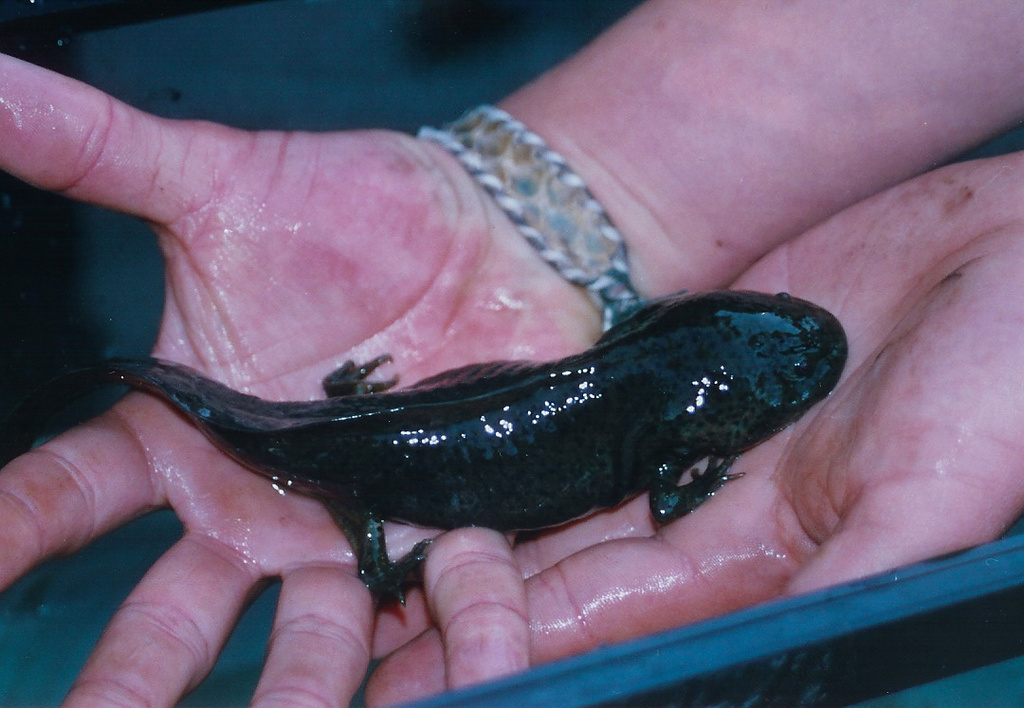
(c) Juan Cruzado Cortés, some rights reserved (CC BY-SA) · licence
Family: Ambystomatidae · Class: Amphibia · Order: Caudata
Conservation status: Endangered
Ambystoma mavortium stebbinsi (Sonoran tiger salamander) is a California animal in the Ambystomatidae family.
The Sonoran tiger salamander is a robust amphibian subspecies endemic to the Sonoran Desert region of Arizona and northwestern Mexico. Adults typically reach 180 to 300 mm (7 to 12 inches) in total length, making them one of the larger salamander species in North America. The dorsal surface displays a distinctive pattern of dark olive-green to black coloration with irregular yellow or cream-colored blotches and spots. The ventral surface is typically lighter, ranging from pale yellow to gray. The broad, flattened head features small eyes and a wide mouth adapted for capturing prey. Historically, the Sonoran tiger salamander occurred in scattered populations across central Arizona and adjacent areas of Sonora, Mexico. Current populations are restricted to a few locations in south-central Arizona, primarily in Maricopa and Pinal counties. The species has experienced severe range contraction, with many historical localities no longer supporting viable populations. According to USFWS records, the subspecies was federally listed as endangered on January 6, 1997. Sonoran tiger salamanders inhabit desert grassland and oak woodland communities at elevations ranging from 600 to 1,200 meters (2,000 to 3,900 feet). The species requires permanent or semi-permanent aquatic habitats for breeding, including natural ponds, livestock tanks, and constructed water features. These breeding sites must retain water for at least three to four months to allow larval development to completion. Adults utilize underground refugia during dry periods, occupying rodent burrows, root cellars, or natural crevices in rocky substrates. Breeding typically occurs from January through May, triggered by winter and spring precipitation. Females deposit 100 to 1,400 eggs individually or in small clusters attached to submerged vegetation or debris. Larval development requires 90 to 120 days under optimal conditions, though some individuals may overwinter as larvae and metamorphose the following year. The species exhibits facultative paedomorphosis, with some individuals reaching sexual maturity while retaining larval characteristics. Adults are opportunistic predators, consuming invertebrates, small fish, tadpoles, and occasionally smaller salamanders. Terrestrial juveniles and adults feed primarily on earthworms, insects, and other arthropods. The Sonoran tiger salamander faces multiple conservation challenges that have contributed to its endangered status. Habitat loss and degradation from urban development, agriculture, and livestock grazing have eliminated many breeding sites. Water diversions and groundwater pumping have reduced surface water availability, while introduced predatory fish and bullfrogs compete with or prey upon salamander larvae. Disease, particularly chytrid fungal infections, poses an additional threat to remaining populations. The U.S. Fish and Wildlife Service Recovery Plan identifies habitat protection and restoration, captive breeding programs, and threat mitigation as essential recovery strategies. Population monitoring indicates continued decline across most remaining localities, emphasizing the critical conservation status of this subspecies.
Classification
Class: Amphibia · Order: Caudata · Family: Ambystomatidae
Conservation status
Endangered
Frequently asked questions
How is Ambystoma mavortium stebbinsi classified?
Ambystoma mavortium stebbinsi belongs to class Amphibia, order Caudata, family Ambystomatidae.
What family does Ambystoma mavortium stebbinsi belong to?
Ambystoma mavortium stebbinsi is in the Ambystomatidae family.
Is Ambystoma mavortium stebbinsi protected or of conservation concern?
Ambystoma mavortium stebbinsi carries the following status: Endangered.
What is Ambystoma mavortium stebbinsi?
The Sonoran tiger salamander is a robust amphibian subspecies endemic to the Sonoran Desert region of Arizona and northwestern Mexico.
Is Ambystoma mavortium stebbinsi found in California?
Yes. Ambystoma mavortium stebbinsi is recorded in California in The California Species Project's catalogue.
Related species
Other California species in the same genus, family, or bioregion.
Data from The California Species Project — 14,000+ California species with verified data from CNPS, CDFW, USFWS, and more.