Amphibolips quercuspomiformis
Live Oak Apple Gall Wasp
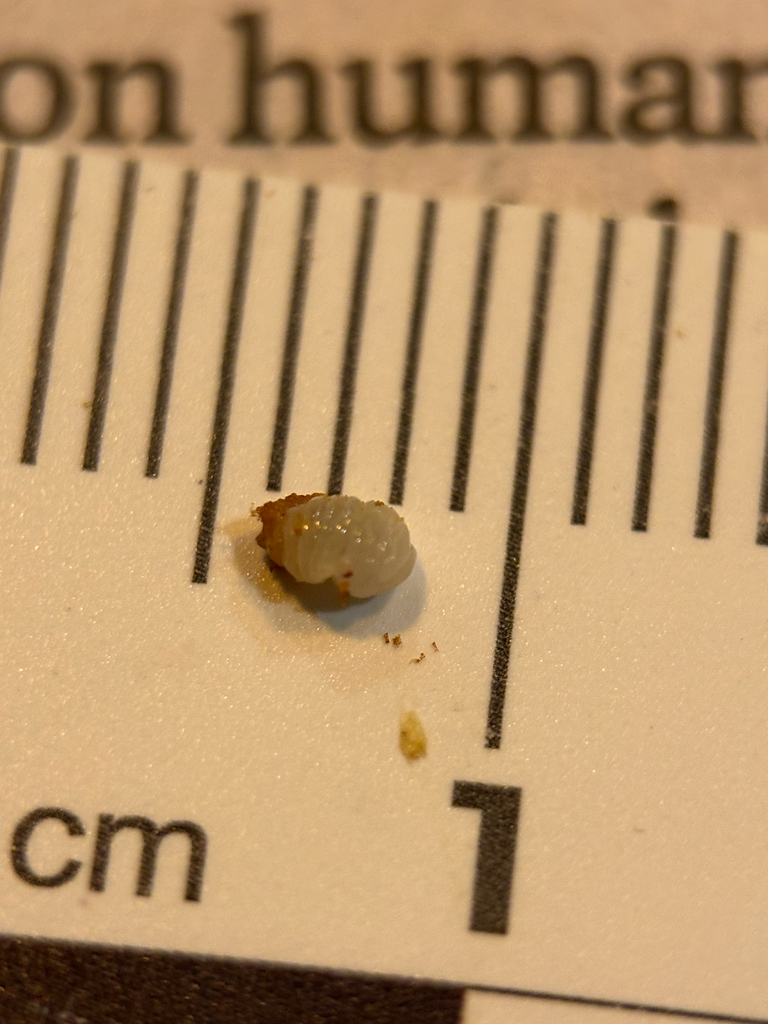
(c) Aden Sommerville, some rights reserved (CC BY) · licence
Family: Cynipidae · Class: Insecta · Order: Hymenoptera
Amphibolips quercuspomiformis (Live Oak Apple Gall Wasp) is a California animal in the Cynipidae family.
The Live Oak Apple Gall Wasp (Amphibolips quercuspomiformis) is a small cynipid wasp belonging to the oak gall wasp tribe Cynipini. Like other gall wasps in the genus Amphibolips, this species exhibits a complex life cycle involving alternating sexual and asexual generations, with females inducing distinctive galls on oak trees for larval development. This species occurs in California, with documented records from Placer County in the Sierra Nevada foothills (BugGuide 2023). The wasp has been photographed in Loomis, California, indicating its presence in the Central Valley's eastern margins where oak woodlands transition to montane habitats. The species' distribution appears to be closely tied to the range of its host oak species. Amphibolips quercuspomiformis induces apple-shaped galls on live oak trees, specifically targeting Quercus species within California's oak woodland ecosystems. These galls typically develop on twigs and branches, where the developing wasp larvae obtain nutrients from the modified plant tissues. The species inhabits oak woodlands, mixed oak-pine forests, and oak savanna habitats where suitable host trees occur. Elevational preferences and specific microhabitat requirements have not been thoroughly documented in the scientific literature. The life cycle follows the typical cynipid pattern, with females using their ovipositor to insert eggs into oak tissue, triggering gall formation through chemical manipulation of plant growth hormones. The distinctive apple-shaped galls provide protection and nutrition for the developing larvae. Adult emergence timing, mating behaviors, and generational cycles remain poorly documented for this particular species. Like other Amphibolips species, this wasp likely exhibits host-specific relationships with particular oak species or oak tissue types. The conservation status of Amphibolips quercuspomiformis has not been formally evaluated by state or federal agencies. The species is not listed under the Endangered Species Act and lacks designation under California's endangered species legislation as of December 2025. However, the species was included on Arkansas's Species of Greatest Conservation Need list in 2006, suggesting potential conservation concerns in parts of its range (BugGuide). The Arkansas designation noted that some species were included because their populations are in decline or because insufficient data exists to determine their conservation status. Primary threats to oak gall wasps include habitat loss through oak woodland conversion, fragmentation of oak ecosystems, and potential impacts from forest management practices. Climate change may affect host oak distributions and the synchronization between wasp life cycles and optimal host plant phenology. The species' apparently limited distribution and specialized host relationships may increase vulnerability to environmental changes. Detailed ecological studies of this species remain limited. Research gaps include comprehensive distributional surveys, host plant specificity studies, population trend assessments, and detailed life history documentation. The taxonomic relationships within the genus Amphibolips and species-level identification challenges may complicate conservation assessment efforts for this and related oak gall wasp species.
Classification
Class: Insecta · Order: Hymenoptera · Family: Cynipidae
Frequently asked questions
How is Amphibolips quercuspomiformis classified?
Amphibolips quercuspomiformis belongs to class Insecta, order Hymenoptera, family Cynipidae.
What family does Amphibolips quercuspomiformis belong to?
Amphibolips quercuspomiformis is in the Cynipidae family.
What is Amphibolips quercuspomiformis?
The Live Oak Apple Gall Wasp (Amphibolips quercuspomiformis) is a small cynipid wasp belonging to the oak gall wasp tribe Cynipini.
Is Amphibolips quercuspomiformis found in California?
Yes. Amphibolips quercuspomiformis is recorded in California in The California Species Project's catalogue.
Related species
Other California species in the same genus, family, or bioregion.
Data from The California Species Project — 14,000+ California species with verified data from CNPS, CDFW, USFWS, and more.