Anarta fusculenta
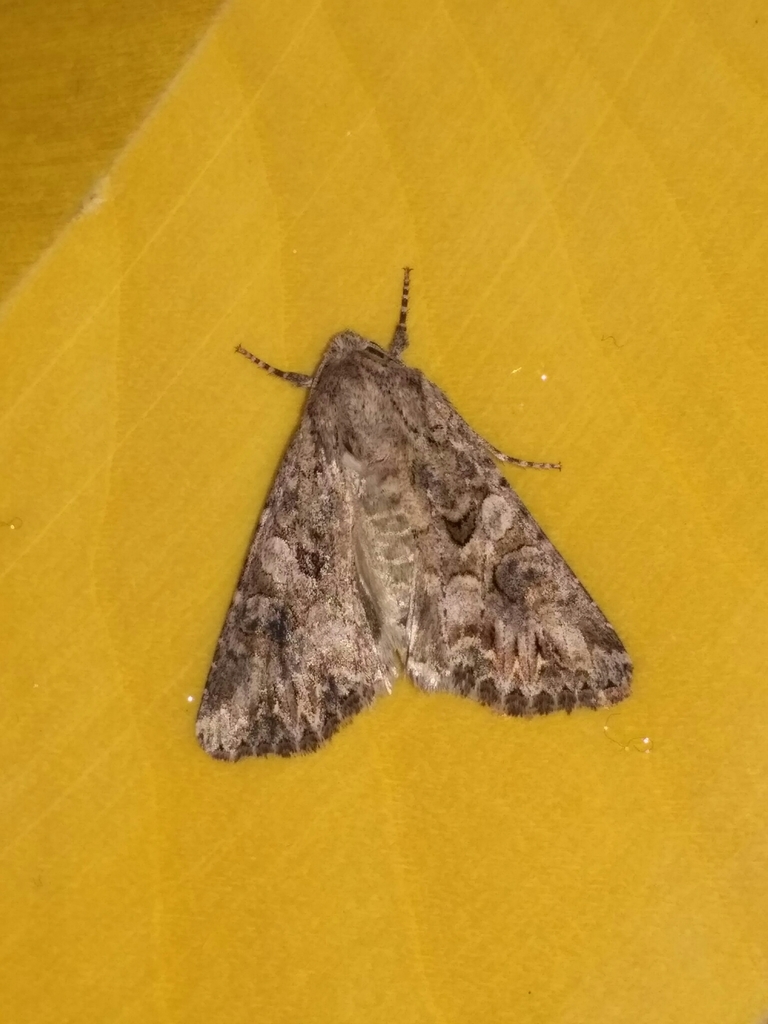
(c) Igor Balashov, some rights reserved (CC BY) · licence
Family: Noctuidae · Class: Insecta · Order: Lepidoptera
Anarta fusculenta is a California animal in the Noctuidae family.
Anarta fusculenta is a nocturnal moth in the family Noctuidae, commonly known as the owlet moths or cutworm moths. This species belongs to the genus Anarta, which comprises moths typically associated with northern and montane environments across North America. Adult moths exhibit the characteristic features of the Noctuidae family, with forewings that are generally brownish or grayish in coloration, providing effective camouflage against tree bark and other natural substrates during daylight hours when the moths remain inactive. The range of Anarta fusculenta appears to be limited within North America, though specific distribution data for this species remains poorly documented in readily accessible databases. Like other members of the genus Anarta, this species likely occupies northern latitudes or elevated regions where cooler temperatures prevail. The genus Anarta is known for its association with boreal and subalpine environments, suggesting that A. fusculenta may follow similar distributional patterns. Habitat preferences for Anarta fusculenta are not well-documented in current literature, but can be inferred from the ecological requirements of related species within the genus. Anarta moths typically inhabit areas with specific host plant communities, often in open or semi-open environments such as meadows, forest clearings, or alpine zones. These habitats provide both larval food sources and suitable microclimate conditions for adult activity and reproduction. The behavioral ecology of Anarta fusculenta follows patterns typical of noctuidae moths. Adults are nocturnal and likely attracted to artificial light sources during their active period. Flight periods for Anarta species generally occur during summer months, with timing varying by latitude and elevation. Larvae of related Anarta species are known to feed on various herbaceous plants, particularly those in families such as Asteraceae and Plantaginaceae. The caterpillars typically feed during night hours and seek shelter in soil litter or under vegetation during daylight. Pupation likely occurs in the soil, with adults emerging the following season. Conservation status information for Anarta fusculenta is notably absent from major tracking databases, including federal and state wildlife agencies. This data gap suggests either that the species has not been formally assessed for conservation concern, or that it maintains stable populations that do not warrant special protection status. The lack of comprehensive distributional and ecological data for this species represents a significant knowledge gap that limits effective conservation planning. Many moth species, particularly those with restricted ranges or specific habitat requirements, face potential threats from habitat loss, climate change, and light pollution, though specific impacts on A. fusculenta remain unquantified. Further research is needed to establish baseline population data, distribution limits, and ecological requirements to properly assess any conservation needs for this species.
Classification
Class: Insecta · Order: Lepidoptera · Family: Noctuidae
Frequently asked questions
How is Anarta fusculenta classified?
Anarta fusculenta belongs to class Insecta, order Lepidoptera, family Noctuidae.
What family does Anarta fusculenta belong to?
Anarta fusculenta is in the Noctuidae family.
What is Anarta fusculenta?
Anarta fusculenta is a nocturnal moth in the family Noctuidae, commonly known as the owlet moths or cutworm moths.
Is Anarta fusculenta found in California?
Yes. Anarta fusculenta is recorded in California in The California Species Project's catalogue.
Related species
Other California species in the same genus, family, or bioregion.
Data from The California Species Project — 14,000+ California species with verified data from CNPS, CDFW, USFWS, and more.