Ancotrema voyanum
Hooded Lancetooth
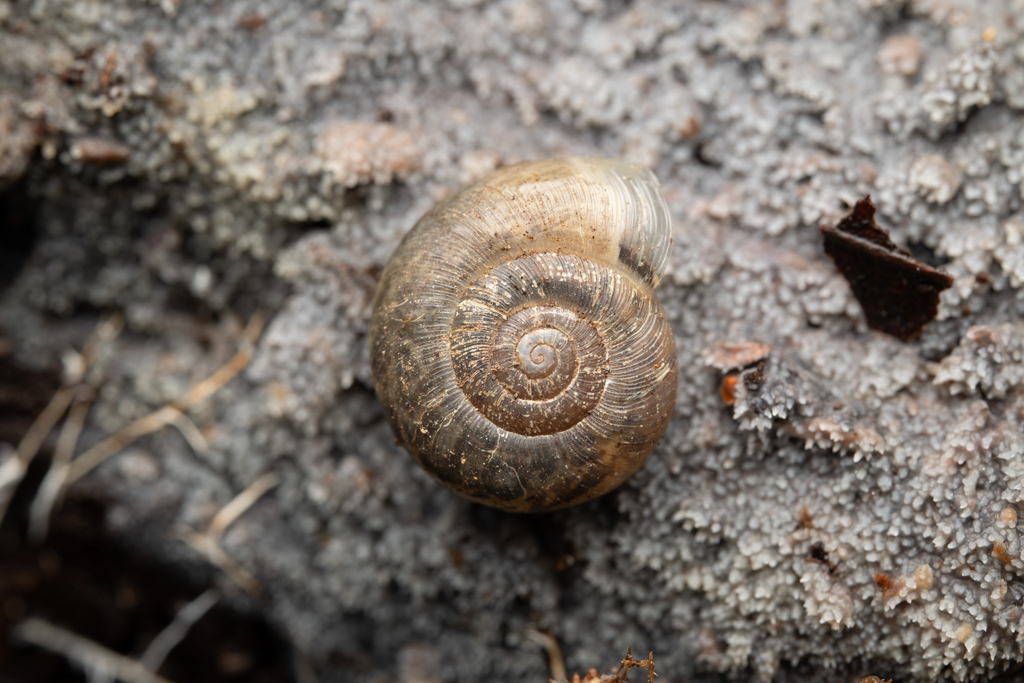
(c) Trevor Van Loon, some rights reserved (CC BY) · licence
Family: Bulimulidae · Class: Gastropoda · Order: Stylommatophora
Conservation status: G1G2 S1S2
Ancotrema voyanum (Hooded Lancetooth) is a California animal in the Bulimulidae family.
The hooded lancetooth (Ancotrema voyanum) is a terrestrial gastropod mollusk in the family Bulimulidae. This species represents one of four known species within the genus Ancotrema and is distinguished by its carnivorous feeding habits, which is characteristic of the Bulimulidae family. Specific morphological details regarding shell size, coloration, and distinguishing features have not been well documented in the available scientific literature. The hooded lancetooth has an extremely limited distribution, contributing to its conservation concern. The species' current range and historical distribution patterns require further documentation, though it appears to be restricted to specific habitat types within its native range. Population data and detailed distributional information remain incomplete for this species. This species inhabits areas of damp forest environments, occurring in both upland and riparian habitats characterized by moisture-rich soils (NatureServe). Leaf litter and woody debris are critical habitat components for the hooded lancetooth, providing both shelter and foraging opportunities. The species appears to require consistent soil moisture and the complex microhabitat structure provided by decomposing organic matter typical of forest floor environments. As a member of the Bulimulidae family, the hooded lancetooth is presumed to be carnivorous, likely feeding on other small invertebrates, earthworms, or other gastropods. However, specific prey items, feeding behavior, reproductive biology, and seasonal activity patterns have not been documented in the scientific literature. Life cycle duration, breeding requirements, and population dynamics remain unknown for this species. The hooded lancetooth is classified with a global conservation rank of G1G2, indicating it is critically imperiled to imperiled globally, and a state rank of S1S2, reflecting similar conservation concern at the state level. These rankings suggest the species faces a very high to high risk of extinction due to extreme rarity, very steep declines, or other factors. The species' apparent dependence on specific forest floor microhabitats makes it potentially vulnerable to habitat disturbance, including logging activities, urban development, and climate change impacts that could alter soil moisture regimes. Forest fragmentation may also pose significant threats by reducing available habitat and creating edge effects that modify the moisture and temperature conditions essential for the species' survival. Detailed population monitoring, habitat requirements studies, and threat assessments are needed to develop effective conservation strategies for this poorly known species. This species is included on the California Department of Fish and Wildlife's Special Animals List. The limited available information underscores the need for additional field research to better understand the hooded lancetooth's ecology, distribution, and conservation needs.
Classification
Class: Gastropoda · Order: Stylommatophora · Family: Bulimulidae
Conservation status
G1G2 S1S2
Frequently asked questions
How is Ancotrema voyanum classified?
Ancotrema voyanum belongs to class Gastropoda, order Stylommatophora, family Bulimulidae.
What family does Ancotrema voyanum belong to?
Ancotrema voyanum is in the Bulimulidae family.
Is Ancotrema voyanum protected or of conservation concern?
Ancotrema voyanum carries the following status: G1G2 S1S2.
What is Ancotrema voyanum?
The hooded lancetooth (Ancotrema voyanum) is a terrestrial gastropod mollusk in the family Bulimulidae.
Is Ancotrema voyanum found in California?
Yes. Ancotrema voyanum is recorded in California in The California Species Project's catalogue.
More California species
This species has no close relatives in our California data — here are other species to explore.
Data from The California Species Project — 14,000+ California species with verified data from CNPS, CDFW, USFWS, and more.