Andrena blennospermatis
Blennosperma Vernal Pool Andrenid Bee
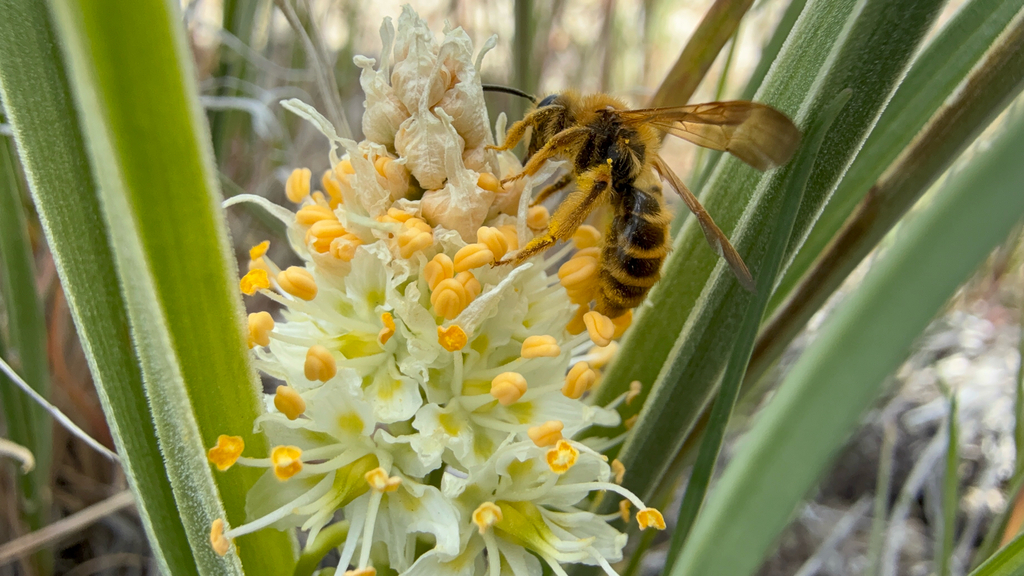
(c) Zach Earl, some rights reserved (CC BY) · licence
Family: Andrenidae · Class: Insecta · Order: Hymenoptera
Conservation status: G2 S1
Andrena blennospermatis (Blennosperma Vernal Pool Andrenid Bee) is a California animal in the Andrenidae family.
Andrena blennospermatis is a specialist solitary bee endemic to California's vernal pool ecosystems. This species belongs to the mining bee genus Andrena and exhibits the typical morphology of andrenid bees, with females possessing specialized pollen-collecting structures (scopae) on their hind legs for gathering pollen from their host plants. The species has a highly restricted range within California, occurring primarily in the Central Valley and associated vernal pool regions. Historical records indicate populations in areas that supported extensive vernal pool complexes, though current distribution is significantly reduced due to habitat loss. The bee's range closely mirrors that of its obligate host plant, Blennosperma nanum (stickyseed), creating a co-dependent relationship critical to both species' survival. Andrena blennospermatis inhabits vernal pool ecosystems and their surrounding upland areas. These seasonal wetlands fill with winter rains and gradually dry through spring and summer, creating unique habitat conditions. The species requires both the aquatic vernal pool environment where host plants grow and adjacent upland areas with appropriate soil conditions for nest construction. According to the Xerces Society, mining bees typically excavate nests in sand or sandy loam substrates with a maximum foraging distance of approximately 300 meters from nesting sites. This species demonstrates extreme host plant specialization, feeding exclusively on Blennosperma nanum flowers during the brief blooming period from late winter through early spring. The synchronization between bee emergence and plant flowering represents a precisely timed ecological relationship. Females collect both pollen and nectar from Blennosperma flowers to provision their underground nests. Like other Andrena species, this bee is solitary, with each female constructing and provisioning her own nest burrows in suitable upland soils adjacent to vernal pools. The species is active only during the short window when host plants are in bloom, spending the remainder of the year in dormancy. Andrena blennospermatis carries a Global rank of G2 (imperiled) and State rank of S1 (critically imperiled), reflecting severe conservation concern. The primary threat to this species is the widespread destruction of California's vernal pool ecosystems through agricultural conversion, urban development, and other land use changes. It is estimated that over 95% of California's original vernal pool habitat has been eliminated. According to the U.S. Fish and Wildlife Service Santa Rosa Plain recovery plans, conservation of specialist pollinators like A. blennospermatis requires protection of both existing vernal pool habitat and surrounding upland areas essential for nesting. Research has shown that when Blennosperma plants were introduced to new locations without established bee populations, no A. blennospermatis individuals colonized the sites, suggesting limited dispersal ability and highlighting the importance of maintaining intact habitat complexes. The species' extreme specialization makes it particularly vulnerable to environmental changes affecting either the host plant or suitable nesting habitat.
Classification
Class: Insecta · Order: Hymenoptera · Family: Andrenidae
Conservation status
G2 S1
Frequently asked questions
How is Andrena blennospermatis classified?
Andrena blennospermatis belongs to class Insecta, order Hymenoptera, family Andrenidae.
What family does Andrena blennospermatis belong to?
Andrena blennospermatis is in the Andrenidae family.
Is Andrena blennospermatis protected or of conservation concern?
Andrena blennospermatis carries the following status: G2 S1.
What is Andrena blennospermatis?
Andrena blennospermatis is a specialist solitary bee endemic to California's vernal pool ecosystems.
Is Andrena blennospermatis found in California?
Yes. Andrena blennospermatis is recorded in California in The California Species Project's catalogue.
Related species
Other California species in the same genus, family, or bioregion.
Data from The California Species Project — 14,000+ California species with verified data from CNPS, CDFW, USFWS, and more.