Andricus quercuscalifornicus
California Gall Wasp
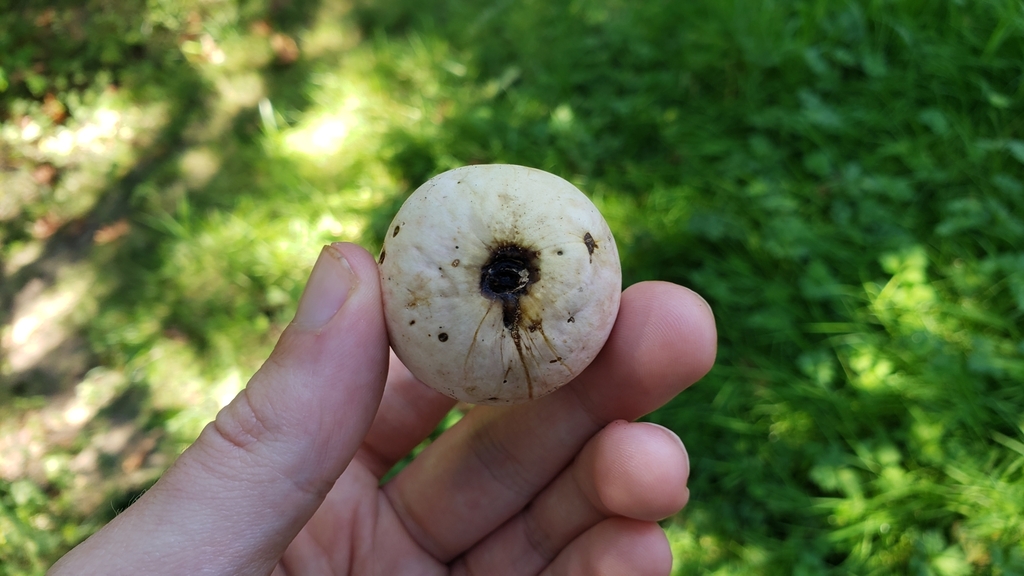
(c) Gavin Slater, some rights reserved (CC BY) · licence
Family: Cynipidae · Class: Insecta · Order: Hymenoptera
Andricus quercuscalifornicus (California Gall Wasp) is a California animal in the Cynipidae family.
The California gall wasp is a small hymenopteran insect belonging to the family Cynipidae, distinguished as one of the largest gall wasps in its genus. Adult wasps measure approximately 5 mm in length, making them among the largest cynipids in North America (BugGuide). The species exhibits only parthenogenetic reproduction, with only females known to exist, reproducing without mating through asexual reproduction. Andricus quercuscalifornicus ranges from southern Washington through Oregon and California, extending south to northern Mexico (BugGuide). Within this range, the species maintains specific habitat requirements tied to its host plant associations. The wasp has been documented in various California counties, with records from locations including San Benito County, where individuals have been collected at black light traps in live oak and chaparral habitats. The species demonstrates strict host plant specificity, inducing galls exclusively on white oak species (Quercus section Quercus). The relationship between wasp and host represents a highly specialized form of parasitism where the developing larvae manipulate plant tissue to create protective gall structures. These galls can reach substantial dimensions of up to 8 by 12 cm, making them among the more conspicuous oak galls in western North America. Female wasps lay eggs directly on oak stems during their reproductive cycle. Following egg deposition, the hatching larvae trigger the formation of distinctive galls around their development sites. The larvae grow within these galls while feeding on specialized gall tissue that provides both nutrition and protection. The galls serve as complete developmental chambers where larvae undergo metamorphosis to emerge as adult wasps. Research suggests this species may have lost its alternate generation typical of many cynipid wasps, with only the unisexual generation currently documented (Fremontia). The species supports a complex ecosystem of associated organisms, particularly parasitoid wasps that target the developing gall wasp larvae. Notable parasitoids include Torymus californicus, a chalcid wasp from the family Cynipidae that can be reared from California gall wasp galls (Fremontia). These parasitoid relationships represent important ecological interactions that help regulate gall wasp populations and contribute to oak woodland biodiversity. Currently, Andricus quercuscalifornicus appears to maintain stable populations throughout its range and holds no special conservation status. The species' distribution closely follows that of its white oak hosts, and its populations remain tied to the health and distribution of oak woodland ecosystems. Climate change and habitat conversion may pose long-term challenges to oak woodland systems, potentially affecting this specialist species. However, the widespread distribution of white oaks across the western United States suggests the California gall wasp maintains relatively secure habitat availability across most of its range.
Classification
Class: Insecta · Order: Hymenoptera · Family: Cynipidae
Frequently asked questions
How is Andricus quercuscalifornicus classified?
Andricus quercuscalifornicus belongs to class Insecta, order Hymenoptera, family Cynipidae.
What family does Andricus quercuscalifornicus belong to?
Andricus quercuscalifornicus is in the Cynipidae family.
What is Andricus quercuscalifornicus?
The California gall wasp is a small hymenopteran insect belonging to the family Cynipidae, distinguished as one of the largest gall wasps in its genus.
Is Andricus quercuscalifornicus found in California?
Yes. Andricus quercuscalifornicus is recorded in California in The California Species Project's catalogue.
Related species
Other California species in the same genus, family, or bioregion.
Data from The California Species Project — 14,000+ California species with verified data from CNPS, CDFW, USFWS, and more.