Androloma maccullochii
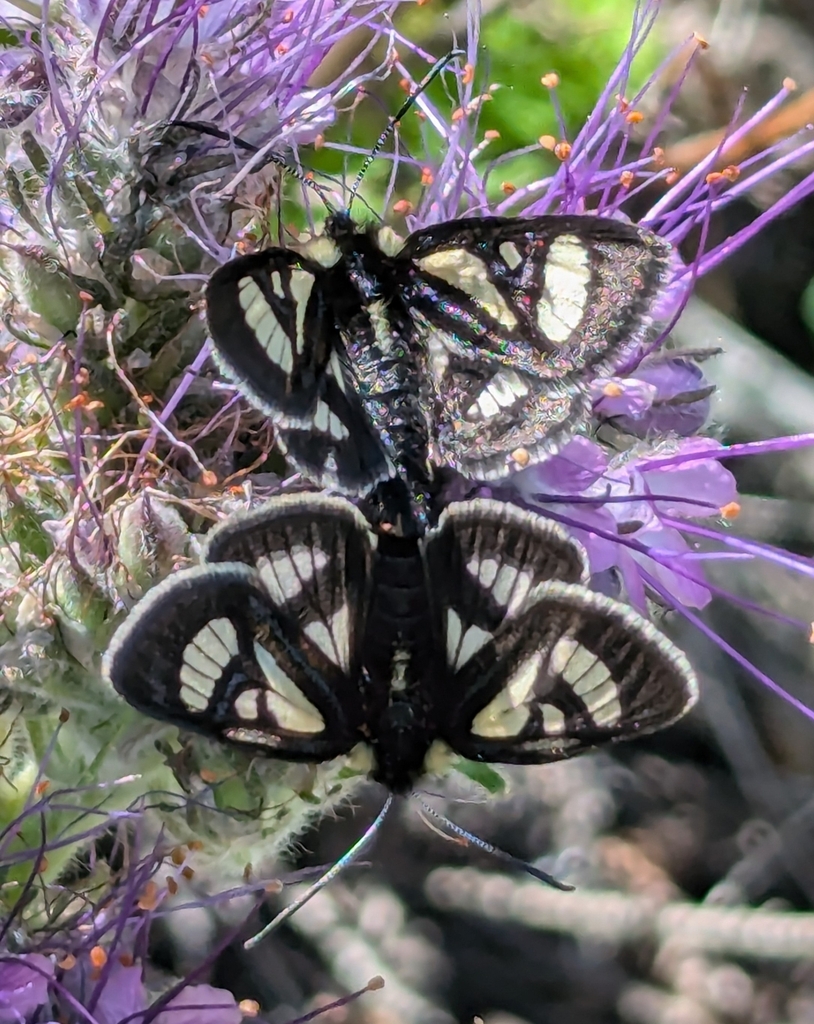
no rights reserved · CC0
Family: Noctuidae · Class: Insecta · Order: Lepidoptera
Androloma maccullochii is a California animal in the Noctuidae family.
Androloma maccullochii is a moth species in the family Noctuidae, commonly known as owlet moths or cutworm moths. This species belongs to a diverse family containing over 11,000 described species worldwide, many of which are nocturnal and attracted to artificial light sources. The physical characteristics of A. maccullochii align with typical noctuid morphology, featuring forewings that are generally cryptically patterned to provide camouflage during daytime rest periods. Adults likely possess the characteristic coiled proboscis used for nectar feeding and feathery or thread-like antennae, with males typically having more elaborate antennal structures than females. The current distribution range of Androloma maccullochii remains poorly documented in available literature. Limited taxonomic records suggest this species may occur in western North America, potentially including California, though specific county-level distribution data is not readily available. The species' range likely coincides with the distribution of its documented host plant, fireweed, which occurs throughout much of temperate North America. The habitat requirements of A. maccullochii are closely tied to the presence of fireweed (Chamaenerion angustifolium, formerly Epilobium angustifolium). Fireweed typically establishes in disturbed areas including forest clearings, burned areas, avalanche tracks, and roadsides. This plant thrives in moist, well-drained soils and can colonize areas from sea level to subalpine elevations, potentially extending the moth's habitat range from lowland disturbed sites to mountain meadows and forest edges. The species likely inhabits areas where fireweed forms dense stands, providing adequate larval food resources. As with most noctuids, A. maccullochii likely follows a complete metamorphosis life cycle. Adults are presumably nocturnal, emerging after dark to mate and locate suitable oviposition sites. Females deposit eggs on or near fireweed plants, where developing larvae feed on plant tissues. The larvae may consume leaves, stems, or flowers of their fireweed host, potentially causing visible damage to plant stands when populations are high. Larval development likely occurs over several weeks, with pupation occurring in soil or plant debris. The species may be univoltine, producing one generation per year, or multivoltine in areas with extended growing seasons. The conservation status of Androloma maccullochii is not well-established, as the species lacks federal or state listing designations. Population trends and current threats remain largely unknown due to limited research attention. Potential conservation concerns may include habitat loss through suppression of natural disturbance regimes that maintain fireweed populations, as well as impacts from herbicide applications that target fireweed in agricultural and managed landscapes. Climate change could affect the species through alterations to fireweed distribution patterns and phenological timing. The species' apparent rarity in collections suggests either naturally low population densities, restricted distribution, or insufficient survey effort.
Classification
Class: Insecta · Order: Lepidoptera · Family: Noctuidae
Frequently asked questions
How is Androloma maccullochii classified?
Androloma maccullochii belongs to class Insecta, order Lepidoptera, family Noctuidae.
What family does Androloma maccullochii belong to?
Androloma maccullochii is in the Noctuidae family.
What is Androloma maccullochii?
Androloma maccullochii is a moth species in the family Noctuidae, commonly known as owlet moths or cutworm moths.
Is Androloma maccullochii found in California?
Yes. Androloma maccullochii is recorded in California in The California Species Project's catalogue.
Related species
Other California species in the same genus, family, or bioregion.
Data from The California Species Project — 14,000+ California species with verified data from CNPS, CDFW, USFWS, and more.