Andropolia theodori
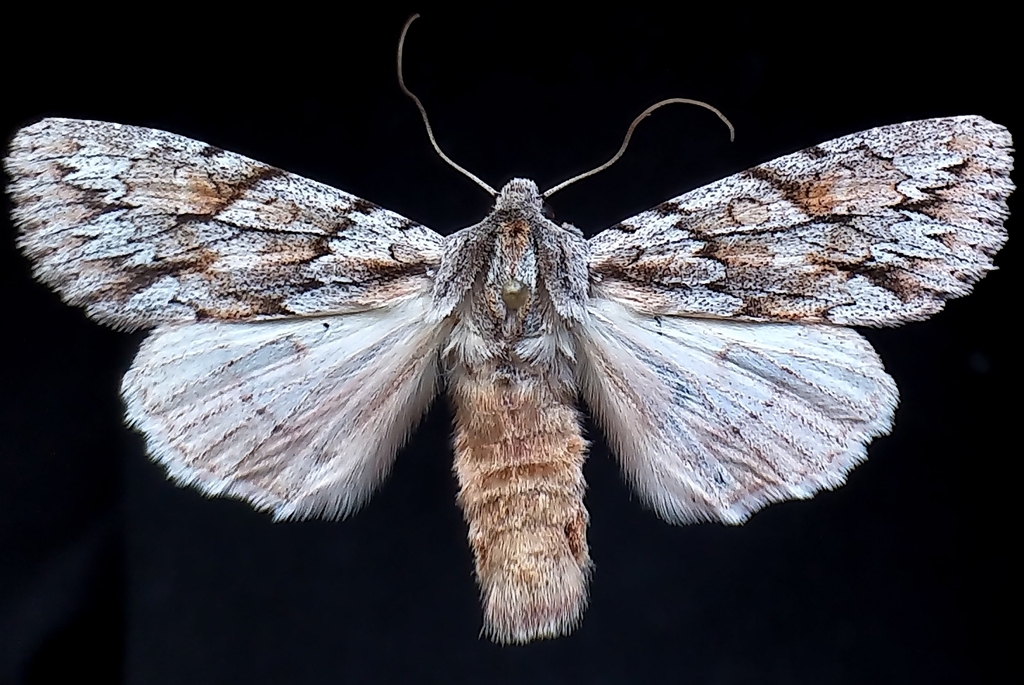
(c) Doug Macaulay, some rights reserved (CC BY) · licence
Family: Noctuidae · Class: Insecta · Order: Lepidoptera
Andropolia theodori is a California animal in the Noctuidae family.
Andropolia theodori is a moth species belonging to the family Noctuidae, commonly known as owlet moths or cutworm moths. This species represents one of the lesser-documented members of the genus Andropolia, which comprises a small group of noctuid moths primarily distributed across western North America. The physical characteristics of A. theodori follow the typical noctuidae body plan, with a robust thorax and forewings that are held roof-like over the body when at rest. Like other members of the genus Andropolia, adults likely possess cryptic coloration patterns that provide camouflage against tree bark and other natural substrates. The forewings typically display muted earth tones with distinctive markings that aid in species identification. Wingspan measurements and detailed morphological descriptions require examination of museum specimens or field collections for precise documentation. The distribution and range of Andropolia theodori remains incompletely documented in current literature. Members of the genus Andropolia are generally associated with montane and subalpine environments of western North America, suggesting this species may follow similar distributional patterns. The specific counties or regions within California where this species occurs require verification through systematic surveys and collection records from natural history museums. Habitat preferences for A. theodori likely align with those of related Andropolia species, which typically inhabit coniferous forests and mixed woodland environments at moderate to high elevations. These moths are often associated with areas containing their larval host plants, though the specific plant associations for this species require confirmation through field studies and larval rearing observations. The life cycle and ecological behavior of A. theodori follows the holometabolous development pattern typical of Lepidoptera. Adults are likely nocturnal, with flight periods coinciding with warmer months when temperatures support adult activity and mating. Larvae presumably feed on specific host plants, though the identity of these plants and the number of generations per year remain undocumented for this species. Like other noctuids, females likely deposit eggs on or near larval food sources, with caterpillars developing through multiple instars before pupating. The conservation status of Andropolia theodori is not currently evaluated under federal or state listing programs. The species lacks formal conservation rankings from NatureServe or the International Union for Conservation of Nature. This absence of status information likely reflects limited survey effort and taxonomic uncertainty rather than actual rarity. Many noctuid moth species remain poorly studied due to their cryptic nature, seasonal activity patterns, and identification challenges. Comprehensive surveys targeting nocturnal Lepidoptera in appropriate habitats would be necessary to assess population status and distribution. Climate change impacts on montane moth species, including potential shifts in elevation ranges and phenology, represent potential conservation concerns that require long-term monitoring to evaluate. The species may face habitat pressure from forest management practices and development in montane regions.
Classification
Class: Insecta · Order: Lepidoptera · Family: Noctuidae
Frequently asked questions
How is Andropolia theodori classified?
Andropolia theodori belongs to class Insecta, order Lepidoptera, family Noctuidae.
What family does Andropolia theodori belong to?
Andropolia theodori is in the Noctuidae family.
What is Andropolia theodori?
Andropolia theodori is a moth species belonging to the family Noctuidae, commonly known as owlet moths or cutworm moths.
Is Andropolia theodori found in California?
Yes. Andropolia theodori is recorded in California in The California Species Project's catalogue.
Related species
Other California species in the same genus, family, or bioregion.
Data from The California Species Project — 14,000+ California species with verified data from CNPS, CDFW, USFWS, and more.