Anicla infecta
Green Cutworm Moth
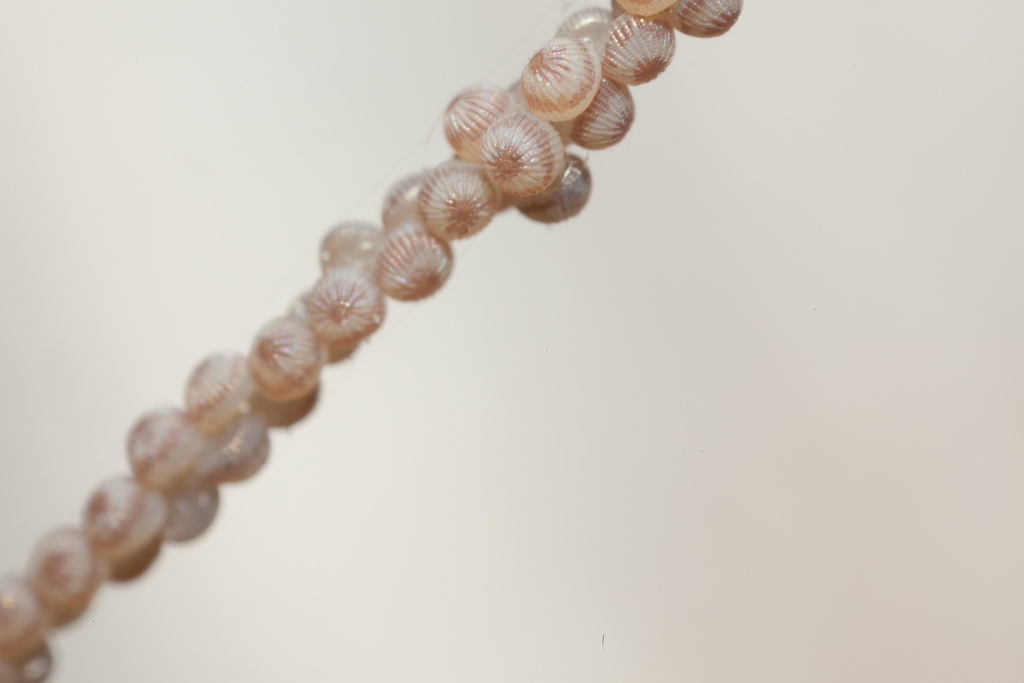
(c) Victor Engel, some rights reserved (CC BY) · licence
Family: Noctuidae · Class: Insecta · Order: Lepidoptera
Anicla infecta (Green Cutworm Moth) is a California animal in the Noctuidae family.
The Green Cutworm Moth (Anicla infecta) is a medium-sized nocturnal moth in the family Noctuidae. Adults measure 35-42 mm (1.4-1.7 inches) in wingspan. The forewings display a mottled pattern of olive-green, brown, and gray scales with darker transverse lines crossing the wing surface. The hindwings are pale gray to whitish with darker marginal borders. The thorax and abdomen are covered in grayish-brown scales, and the antennae are filiform in both sexes. At rest, the moth holds its wings in a tent-like position over the body, creating a triangular profile. Anicla infecta occurs across much of North America, with populations documented from southern Canada through the United States to northern Mexico. In California, the species has been recorded from coastal regions through the Central Valley and into montane areas of the Sierra Nevada and Cascade ranges. The moth is found at elevations from sea level to approximately 2,400 meters (7,900 feet), with populations distributed across multiple counties including those in the Coast Ranges, Central Valley, and Sierra Nevada foothills. The species inhabits diverse habitat types including grasslands, agricultural areas, chaparral, oak woodlands, and mixed conifer forests. Adults are attracted to areas with abundant herbaceous vegetation and are commonly found in disturbed habitats, edges of cultivated fields, and urban gardens. The larvae develop in soil environments where they feed on roots and lower stems of host plants. Preferred microhabitats include areas with loose, well-drained soils that facilitate larval movement and pupation. Green Cutworm Moths are univoltine in most regions, producing one generation per year. Adults emerge from late summer through early fall, typically from August through October, with peak activity occurring in September. Mating occurs shortly after emergence, and females deposit eggs singly or in small clusters on soil surfaces near host plants. The larvae are polyphagous, feeding on a wide variety of herbaceous plants including grasses, forbs, and agricultural crops such as corn, beans, and various vegetables. Larvae are nocturnal feeders that cut plant stems at or below ground level, earning the common name 'cutworm.' The species overwinters as late-instar larvae in the soil, pupating in spring before adult emergence. Anicla infecta is not currently listed under federal or state endangered species legislation and appears to maintain stable populations across its range. The species' broad host plant range and habitat flexibility contribute to its persistence in both natural and modified environments. As a native moth species, it serves as prey for various predators including birds, spiders, and other arthropods. While the larvae may occasionally cause minor damage to agricultural crops and garden plants, the species is generally not considered a significant pest. Climate change may affect the species' distribution and phenology, particularly at higher elevations where temperature increases could alter suitable habitat conditions.
Classification
Class: Insecta · Order: Lepidoptera · Family: Noctuidae
Frequently asked questions
How is Anicla infecta classified?
Anicla infecta belongs to class Insecta, order Lepidoptera, family Noctuidae.
What family does Anicla infecta belong to?
Anicla infecta is in the Noctuidae family.
What is Anicla infecta?
The Green Cutworm Moth (Anicla infecta) is a medium-sized nocturnal moth in the family Noctuidae.
Is Anicla infecta found in California?
Yes. Anicla infecta is recorded in California in The California Species Project's catalogue.
Related species
Other California species in the same genus, family, or bioregion.
Data from The California Species Project — 14,000+ California species with verified data from CNPS, CDFW, USFWS, and more.