Annaphila decia
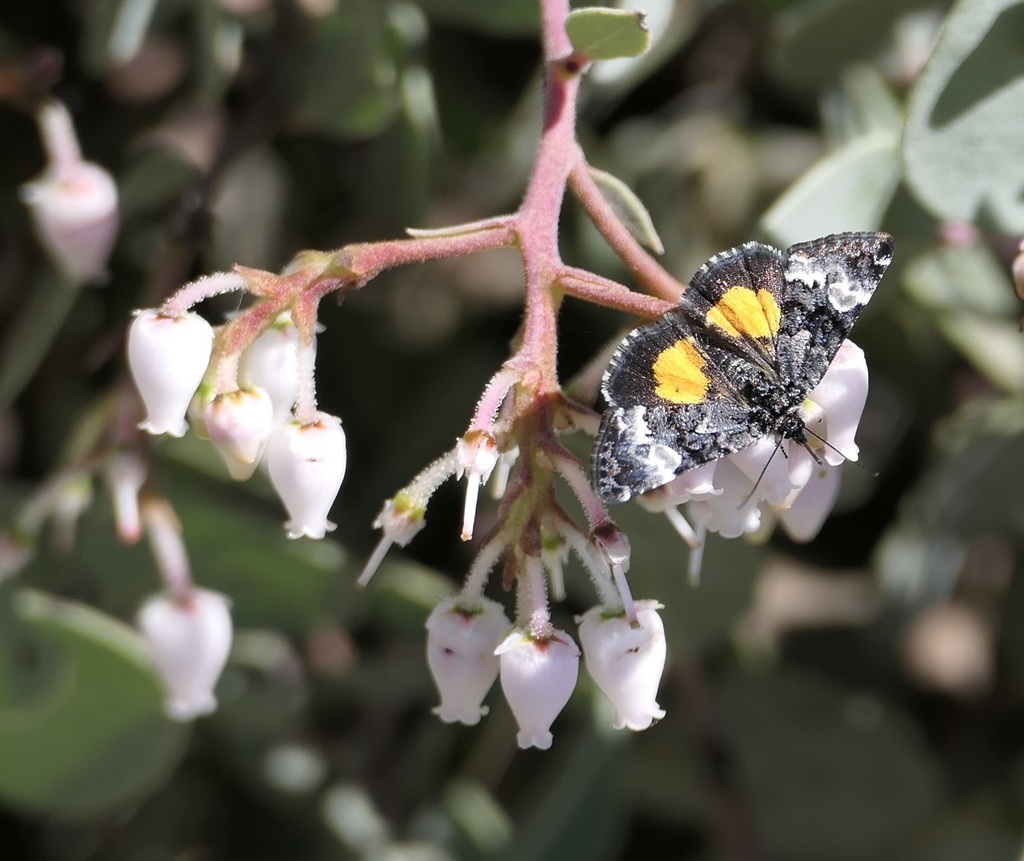
(c) John Hibbard, some rights reserved (CC BY) · licence
Family: Noctuidae · Class: Insecta · Order: Lepidoptera
Annaphila decia is a California animal in the Noctuidae family.
Annaphila decia is a moth species in the family Noctuidae, commonly known as owlet moths or cutworm moths. This nocturnal lepidopteran represents one of the lesser-documented members of its family, with limited available information regarding its physical characteristics and ecological requirements. The physical description of Annaphila decia remains incompletely documented in the scientific literature. Like other members of the Noctuidae family, this species likely exhibits the typical moth body plan with a robust thorax, feathery or thread-like antennae, and wings covered in microscopic scales. Noctuid moths generally display cryptic coloration patterns that provide camouflage during daytime roosting, though specific details regarding wing patterns, coloration, and wingspan measurements for A. decia are not well-established in current taxonomic resources. The geographic range and distribution of Annaphila decia within California and potentially beyond remains poorly characterized. Many noctuid species demonstrate restricted distributions tied to specific host plant communities or microhabitat requirements. Without comprehensive survey data, the current extent of occurrence for this species cannot be definitively established. Historical collection records, if available, would provide the most reliable information regarding known localities and elevation ranges. Habitat preferences for Annaphila decia are not well-documented in accessible scientific literature. Most noctuidae species inhabit areas where their larval host plants occur, ranging from grasslands and chaparral to forest understories, depending on their specific plant associations. The microhabitat requirements during different life stages - egg, larval, pupal, and adult phases - likely vary considerably and may include specific substrate preferences for pupation and particular nectar sources for adult feeding. The behavioral ecology and life history of Annaphila decia remain largely unstudied. As with other noctuidae, adults are presumably nocturnal, with flight periods that may be seasonally restricted. Mating behaviors, larval feeding habits, number of broods per year, and overwintering strategies are not documented. Many noctuid larvae function as agricultural or ecological pests, feeding on various plant tissues, though the specific feeding behavior and host plant relationships of A. decia larvae are unknown. The conservation status of Annaphila decia cannot be assessed due to insufficient data regarding population trends, distribution extent, and potential threats. This species does not appear on federal or state endangered species lists, nor does it have established conservation rankings through NatureServe or the International Union for Conservation of Nature. The lack of comprehensive biological and ecological information represents a significant knowledge gap that limits effective conservation planning. Many invertebrate species, particularly moths, face threats from habitat loss, light pollution, pesticide applications, and climate change, but the specific vulnerability of A. decia to these factors remains uncharacterized. Further taxonomic research, field surveys, and ecological studies would be necessary to establish baseline population data and identify conservation priorities for this species.
Classification
Class: Insecta · Order: Lepidoptera · Family: Noctuidae
Frequently asked questions
How is Annaphila decia classified?
Annaphila decia belongs to class Insecta, order Lepidoptera, family Noctuidae.
What family does Annaphila decia belong to?
Annaphila decia is in the Noctuidae family.
What is Annaphila decia?
Annaphila decia is a moth species in the family Noctuidae, commonly known as owlet moths or cutworm moths.
Is Annaphila decia found in California?
Yes. Annaphila decia is recorded in California in The California Species Project's catalogue.
Related species
Other California species in the same genus, family, or bioregion.
Data from The California Species Project — 14,000+ California species with verified data from CNPS, CDFW, USFWS, and more.