Annaphila diva
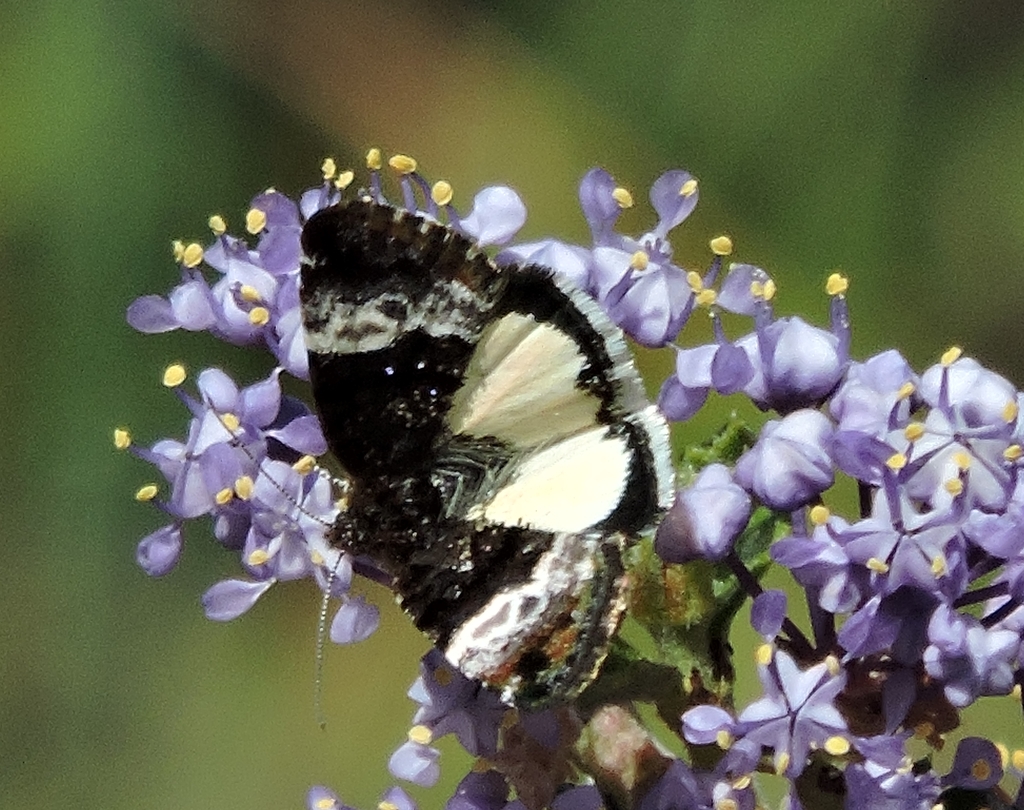
(c) Alex, some rights reserved (CC BY) · licence
Family: Noctuidae · Class: Insecta · Order: Lepidoptera
Annaphila diva is a California animal in the Noctuidae family.
Annaphila diva, commonly known as the white annaphila, is a species of owlet moth in the family Noctuidae. This North American moth exhibits the characteristic features of its genus, with adults displaying predominantly white or pale coloration that distinguishes it from other noctuids. The forewings are typically white to cream-colored, often with subtle markings or patterns that may vary among individuals. Like other members of the Noctuidae family, adults possess feathery or thread-like antennae and hold their wings in a tent-like position when at rest. The species occurs across North America, though specific distribution patterns within this broad range remain poorly documented in the scientific literature. The extent of its presence in California and other western states requires further investigation, as comprehensive survey data for this species is limited. Regional occurrence patterns may be influenced by habitat availability and host plant distributions. Habitat preferences for Annaphila diva have not been thoroughly studied or documented. Like many noctuids, the species likely inhabits areas that support its larval host plants, though specific plant associations remain unverified. Moths in this family typically occupy diverse habitats ranging from grasslands and shrublands to woodland edges and disturbed areas. The species may show preferences for particular elevation ranges or vegetation types, but these ecological requirements have not been systematically documented. Behavioral and ecological information for this species is extremely limited. Adult flight periods, mating behaviors, and larval development patterns have not been well-documented in published literature. As with other noctuids, adults are likely nocturnal and attracted to artificial lights. Larvae probably feed on herbaceous plants or low shrubs, developing through multiple instars before pupating, but specific host plant relationships and life cycle timing remain unknown. The species may be univoltine or multivoltine depending on climate and geographic location. No conservation status has been established for Annaphila diva at federal or state levels. The species does not appear on threatened or endangered species lists, though this may reflect limited survey effort rather than population stability. Population trends, distribution changes, and potential threats are unknown due to insufficient monitoring and research. As with many moth species, potential threats could include habitat loss, pesticide use, and light pollution, but the actual impact of these factors on Annaphila diva populations has not been assessed. Scientific documentation for this species remains extremely limited. The information presented here is based on available taxonomic sources including iNaturalist and Wikipedia entries. Comprehensive studies of this moth's biology, distribution, ecology, and conservation needs are lacking. If you have additional verified information about this species' biology, distribution, or ecology, please contact us to help improve this species account.
Classification
Class: Insecta · Order: Lepidoptera · Family: Noctuidae
Frequently asked questions
How is Annaphila diva classified?
Annaphila diva belongs to class Insecta, order Lepidoptera, family Noctuidae.
What family does Annaphila diva belong to?
Annaphila diva is in the Noctuidae family.
What is Annaphila diva?
Annaphila diva, commonly known as the white annaphila, is a species of owlet moth in the family Noctuidae.
Is Annaphila diva found in California?
Yes. Annaphila diva is recorded in California in The California Species Project's catalogue.
Related species
Other California species in the same genus, family, or bioregion.
Data from The California Species Project — 14,000+ California species with verified data from CNPS, CDFW, USFWS, and more.