Anomala carlsoni
Carlson's Dune Beetle
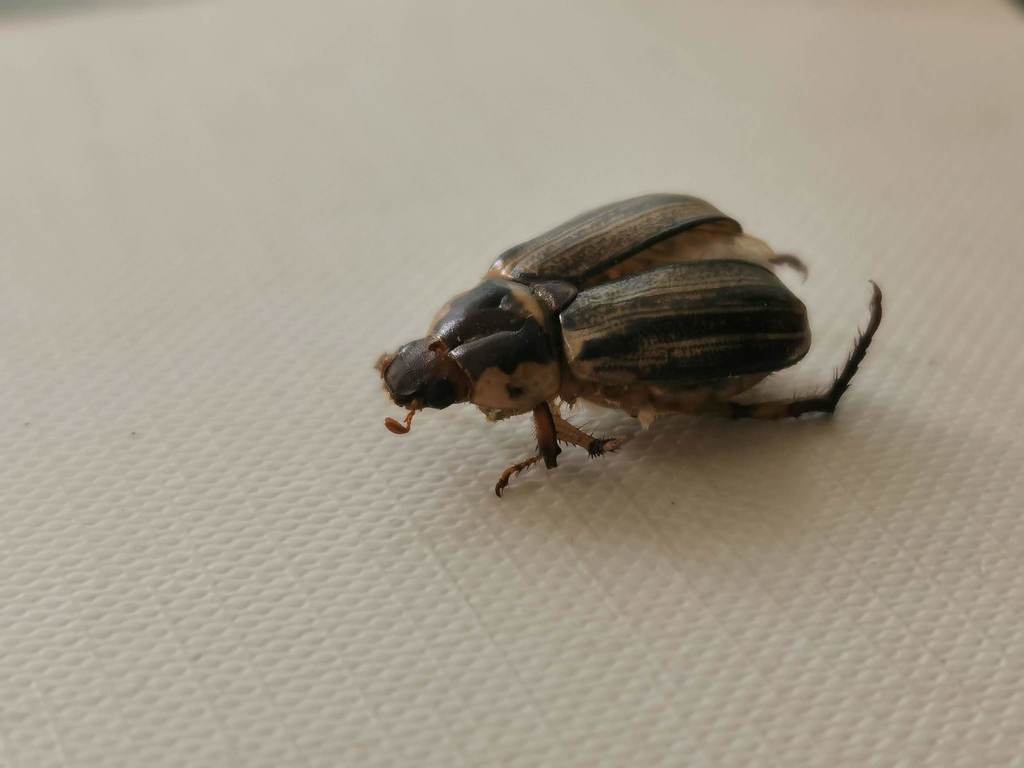
(c) Juan Carlos Pérez Magaña, some rights reserved (CC BY-SA) · licence
Family: Scarabaeidae · Class: Insecta · Order: Coleoptera
Conservation status: G1 S1
Anomala carlsoni (Carlson's Dune Beetle) is a California animal in the Scarabaeidae family.
Carlson's dune beetle (Anomala carlsoni) is a scarab beetle in the family Scarabaeidae endemic to the Algodones Dunes of Imperial County, California. This species represents one of several specialized beetles adapted to the unique sand dune ecosystem of southeastern California's Colorado Desert region. The physical characteristics of Carlson's dune beetle have not been extensively documented in the scientific literature. As a member of the genus Anomala, it likely exhibits the typical scarab beetle body plan with a robust, oval-shaped form adapted for burrowing in sandy substrates. Detailed morphological descriptions remain limited in published sources. Carlson's dune beetle is restricted to the Algodones Dunes system in Imperial County, California, near the Mexican border. According to the U.S. Fish and Wildlife Service, all documented collections of this species have been from this single dune complex (USFWS 2006). The Algodones Dunes represent one of the largest active sand dune systems in North America, covering approximately 45 square miles of the Sonoran Desert. The species inhabits active sand dune environments characterized by sparse vegetation and shifting sand substrates. The beetle is associated with desert croton (Croton wigginsii), which serves as its likely host plant (USFWS 2006). This shrub occurs in sandy washes and on stabilized dune margins within the Algodones system. The extreme desert conditions include high summer temperatures, low annual precipitation, and persistent wind patterns that maintain the dynamic dune structure. Adult beetles have been collected from mid-April through late September, indicating an extended activity period during warmer months (USFWS 2006). Like other scarab beetles, Carlson's dune beetle likely feeds on organic matter in soil and sand, though specific dietary preferences and larval development requirements have not been well studied. The relationship with desert croton suggests potential feeding or reproductive associations with this plant species, though the exact nature of this connection requires further investigation. Carlson's dune beetle holds a conservation ranking of G1 S1, indicating it is critically imperiled both globally and within California due to extreme rarity. The species was included in a 2006 petition for federal listing consideration along with other endemic Algodones Dunes insects (USFWS 2006). Primary threats to the species include recreational vehicle use, which can directly impact both the beetles and their habitat through soil compaction and vegetation destruction. Military training activities and border security infrastructure development also pose potential threats to the fragile dune ecosystem. Climate change may alter precipitation patterns and temperature regimes that maintain the specialized dune environment. The species' extremely restricted range makes it particularly vulnerable to habitat loss or degradation. No current population estimates or trend data are available, reflecting the limited research conducted on this endemic beetle. Conservation of the Algodones Dunes ecosystem through coordinated land management remains critical for the long-term survival of Carlson's dune beetle and associated endemic species.
Classification
Class: Insecta · Order: Coleoptera · Family: Scarabaeidae
Conservation status
G1 S1
Frequently asked questions
How is Anomala carlsoni classified?
Anomala carlsoni belongs to class Insecta, order Coleoptera, family Scarabaeidae.
What family does Anomala carlsoni belong to?
Anomala carlsoni is in the Scarabaeidae family.
Is Anomala carlsoni protected or of conservation concern?
Anomala carlsoni carries the following status: G1 S1.
What is Anomala carlsoni?
Carlson's dune beetle (Anomala carlsoni) is a scarab beetle in the family Scarabaeidae endemic to the Algodones Dunes of Imperial County, California.
Is Anomala carlsoni found in California?
Yes. Anomala carlsoni is recorded in California in The California Species Project's catalogue.
Related species
Other California species in the same genus, family, or bioregion.
Data from The California Species Project — 14,000+ California species with verified data from CNPS, CDFW, USFWS, and more.