Anthomyia illocata
Root Maggot Fly
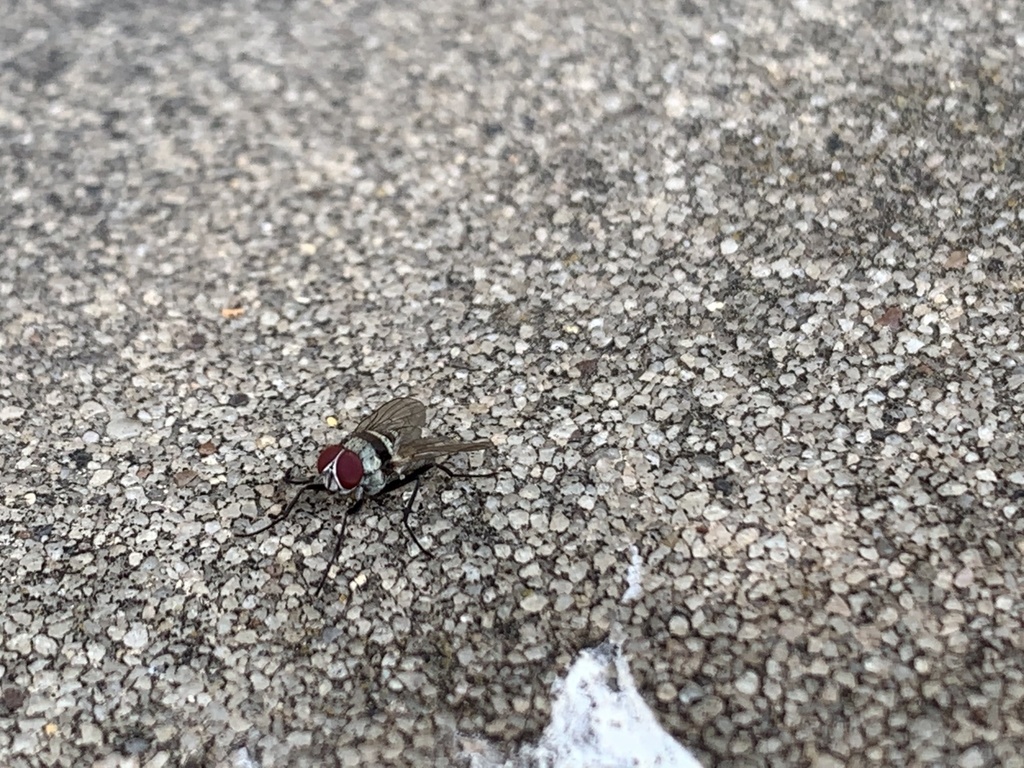
(c) Kane Sandoval, some rights reserved (CC BY) · licence
Family: Anthomyiidae · Class: Insecta · Order: Diptera
Anthomyia illocata (Root Maggot Fly) is a California animal in the Anthomyiidae family.
Anthomyia illocata is a small to medium-sized fly in the family Anthomyiidae, commonly known as root-maggot flies. Adults typically measure 3-8 mm in length and display the characteristic features of anthomyiid flies, including relatively long legs, bristly bodies, and wings held slightly away from the body when at rest. Like other members of the genus Anthomyia, A. illocata exhibits sexual dimorphism, with males often displaying more prominent bristles and darker coloration than females. This species has a broad distribution across North America, ranging from the eastern United States westward to California, and extending south through Mexico into South America (BugGuide). According to BugGuide, the range includes states from Texas to Florida to Massachusetts to Kansas, with documented populations in California. This transcontinental distribution suggests the species is highly adaptable to diverse climatic conditions and habitat types. Anthomyia illocata inhabits a variety of environments typical of anthomyiid flies. Adults are commonly found on flowers in moist or wooded habitats, as well as in agricultural fields and disturbed areas (BugGuide). The family Anthomyiidae is well-represented in California's diverse ecosystems, from coastal regions to inland valleys. Adults are frequently observed visiting flowers for nectar, particularly in areas with abundant wildflowers or cultivated plants. As with other root-maggot flies, A. illocata exhibits a complete metamorphosis with distinct larval and adult life stages. Adults are active fliers and are often seen on flowers, where they feed on nectar and may also prey on smaller insects. The larvae, as the common name suggests, typically develop in soil or organic matter, where they may feed on decaying plant material, roots, or other organic substrates. Many anthomyiid species have multiple generations per year, with adults emerging throughout the growing season. Specific host plant relationships and larval ecology for A. illocata have not been extensively documented in the scientific literature. Anthomyia illocata does not appear on any federal or state endangered species lists and is not considered a species of conservation concern. The species' wide distribution across multiple continents suggests stable populations and good dispersal ability. However, like many invertebrates, comprehensive population monitoring data are lacking. The family Anthomyiidae includes numerous species that can be agricultural pests when larvae feed on crop roots, though the specific economic impact of A. illocata is not well documented. Climate change and habitat modification may affect local populations, but the species' broad ecological tolerance likely provides some resilience to environmental changes. Detailed ecological studies of this species remain limited. The information presented here synthesizes available data from taxonomic databases and regional surveys. Enhanced documentation of this species' biology, host relationships, and ecological role would contribute to our understanding of dipteran diversity in California's ecosystems.
Classification
Class: Insecta · Order: Diptera · Family: Anthomyiidae
Frequently asked questions
How is Anthomyia illocata classified?
Anthomyia illocata belongs to class Insecta, order Diptera, family Anthomyiidae.
What family does Anthomyia illocata belong to?
Anthomyia illocata is in the Anthomyiidae family.
What is Anthomyia illocata?
Anthomyia illocata is a small to medium-sized fly in the family Anthomyiidae, commonly known as root-maggot flies.
Is Anthomyia illocata found in California?
Yes. Anthomyia illocata is recorded in California in The California Species Project's catalogue.
Related species
Other California species in the same genus, family, or bioregion.
Data from The California Species Project — 14,000+ California species with verified data from CNPS, CDFW, USFWS, and more.