Antrostomus arizonae
Mexican Whip-poor-will
no rights reserved · CC0
Family: Caprimulgidae · Class: Aves · Order: Caprimulgiformes
Antrostomus arizonae (Mexican Whip-poor-will) is a California animal in the Caprimulgidae family.
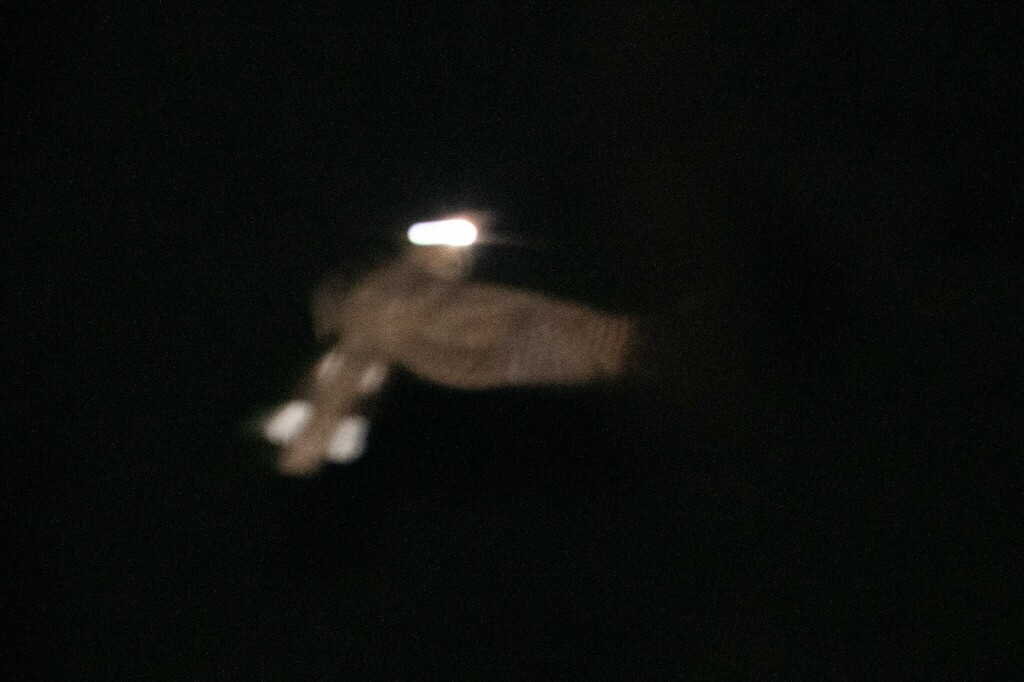
The Mexican Whip-poor-will (Antrostomus arizonae) is a medium-sized nocturnal bird in the nightjar family Caprimulgidae. Adults measure 22 to 24 centimeters (8.7 to 9.4 inches) in length with a wingspan of approximately 41 to 46 centimeters (16 to 18 inches). The species exhibits cryptic plumage with mottled brown, gray, and buff coloration that provides camouflage against bark and leaf litter. Males display white terminal bands on the outer tail feathers and white throat patches, while females show buff-colored markings in these areas. The bill is small and dark, adapted for capturing insects in flight, while the gape is exceptionally wide. Large, dark eyes facilitate nocturnal vision. Historically, the Mexican Whip-poor-will occurred in mountainous regions of Arizona, New Mexico, and extreme southwestern Texas. The species' range extends south through the Sierra Madre Occidental of Mexico to Central America. In California, occurrence remains uncertain, with potential historical presence in southeastern desert mountains requiring verification through systematic surveys and genetic analysis of museum specimens. The species inhabits pine-oak and mixed coniferous forests at elevations ranging from 1,200 to 3,000 meters (3,900 to 9,800 feet). Preferred habitat includes open woodland with scattered trees, forest edges, and areas with moderate canopy cover that provide both hunting opportunities and daytime roosting sites. Rocky outcrops and areas with fallen logs offer suitable nesting substrates. The species appears to favor slopes and canyon bottoms with diverse vegetation structure. Mexican Whip-poor-wills are crepuscular and nocturnal, becoming active at dusk to hunt flying insects including moths, beetles, flying ants, and other aerial prey. The species employs a sit-and-wait hunting strategy, perching on exposed branches or rocks before sallying forth to capture insects. Breeding occurs from April through August, with peak activity in May and June. Females lay two eggs directly on the ground, typically on a slight depression among leaf litter or against a log or rock. Incubation lasts approximately 19 to 21 days, with both parents participating in chick care. The distinctive call, a repetitive 'whip-poor-will' phrase, is delivered primarily during twilight and nighttime hours during the breeding season. The Mexican Whip-poor-will lacks formal conservation status designations at state and federal levels, though regional population trends suggest declines in some areas. Habitat loss due to logging, fire suppression altering forest structure, and development pressure on montane forests represent primary conservation concerns. Climate change may impact the species through shifts in suitable habitat elevation and changes in insect prey availability. The species benefits from forest management practices that maintain diverse canopy structure and preserve snag habitat. Nocturnal surveys are essential for accurate population monitoring, as the species' cryptic behavior and plumage make detection challenging outside of vocal activity periods.
Classification
Class: Aves · Order: Caprimulgiformes · Family: Caprimulgidae
Frequently asked questions
How is Antrostomus arizonae classified?
Antrostomus arizonae belongs to class Aves, order Caprimulgiformes, family Caprimulgidae.
What family does Antrostomus arizonae belong to?
Antrostomus arizonae is in the Caprimulgidae family.
What is Antrostomus arizonae?
The Mexican Whip-poor-will (Antrostomus arizonae) is a medium-sized nocturnal bird in the nightjar family Caprimulgidae.
Is Antrostomus arizonae found in California?
Yes. Antrostomus arizonae is recorded in California in The California Species Project's catalogue.
Related species
Other California species in the same genus, family, or bioregion.
Data from The California Species Project — 14,000+ California species with verified data from CNPS, CDFW, USFWS, and more.