Anyphaena aperta
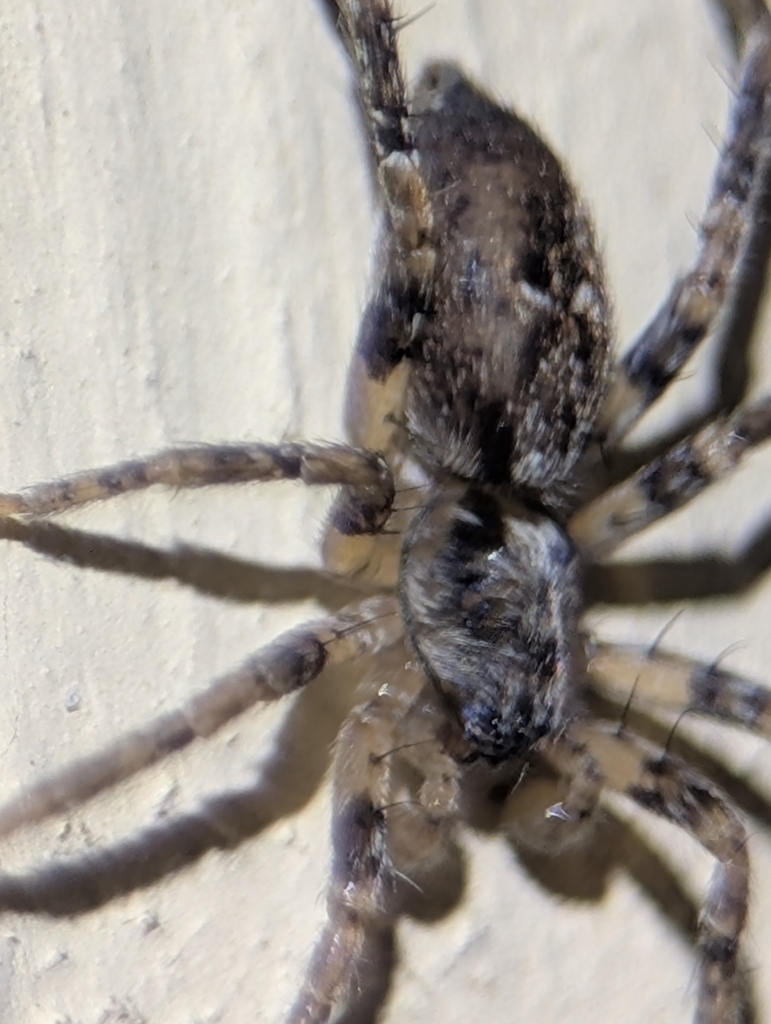
(c) Moe Meikle, some rights reserved (CC BY) · licence
Family: Anyphaenidae · Class: Arachnida · Order: Araneae
Anyphaena aperta is a California animal in the Anyphaenidae family.
Anyphaena aperta is a small spider in the family Anyphaenidae, commonly known as ghost spiders. This species is characterized by its pale coloration and modest size, typical of the genus Anyphaena. Adults measure approximately 4-6 mm in body length, with females slightly larger than males. The cephalothorax is yellowish to pale brown, while the abdomen displays a cream to light gray coloration with subtle darker markings. The legs are relatively long and slender, extending the spider's overall span to 12-15 mm. Like other anyphaenids, A. aperta lacks the dense scopulae found on many other spider families, resulting in a more delicate appearance. The distribution of Anyphaena aperta in California remains poorly documented in available scientific literature. The species belongs to a genus that is primarily found in temperate regions of North America, with various Anyphaena species occurring across different elevational zones and habitat types. Specific county-level distribution data for A. aperta in California has not been comprehensively surveyed or reported in accessible databases. Habitat preferences for this species have not been thoroughly studied or documented. Members of the genus Anyphaena typically inhabit areas with abundant vegetation, including woodland understory, shrublands, and occasionally grassland edges. These spiders are often found among leaf litter, low vegetation, and in the lower branches of shrubs and trees. They may also occur under bark, in rock crevices, or among debris on the ground. Elevation preferences and specific microhabitat requirements for A. aperta remain largely unknown. Anyphaena aperta exhibits typical anyphaenid hunting behavior as an active nocturnal predator rather than a web-building spider. These spiders hunt by wandering and actively pursuing small arthropod prey, including flies, gnats, aphids, and other small insects. Reproduction likely follows the general pattern of other Anyphaena species, with mating occurring during warmer months and females producing egg sacs that are guarded until hatching. Specific details regarding breeding season, clutch size, and developmental timing for this species have not been documented in available literature. Anyphaena aperta does not appear on any federal or state conservation lists, and its conservation status remains unassessed. The lack of comprehensive survey data makes it difficult to evaluate population trends or potential threats. As with many small arthropod species, habitat loss and fragmentation could potentially impact populations, but no specific threats have been identified for this species. The general scarcity of ecological information reflects the broader knowledge gap that exists for many smaller arachnid species in California's diverse fauna. Scientific documentation for this species remains extremely limited. The information presented here represents the available knowledge based on taxonomic classification and general biological patterns observed in related species. Additional field studies and systematic surveys would be necessary to develop a more complete understanding of this spider's distribution, ecology, and conservation needs in California.
Classification
Class: Arachnida · Order: Araneae · Family: Anyphaenidae
Frequently asked questions
How is Anyphaena aperta classified?
Anyphaena aperta belongs to class Arachnida, order Araneae, family Anyphaenidae.
What family does Anyphaena aperta belong to?
Anyphaena aperta is in the Anyphaenidae family.
What is Anyphaena aperta?
Anyphaena aperta is a small spider in the family Anyphaenidae, commonly known as ghost spiders.
Is Anyphaena aperta found in California?
Yes. Anyphaena aperta is recorded in California in The California Species Project's catalogue.
More California species
This species has no close relatives in our California data — here are other species to explore.
Data from The California Species Project — 14,000+ California species with verified data from CNPS, CDFW, USFWS, and more.