Apamea amputatrix
Yellow-headed Cutworm Moth
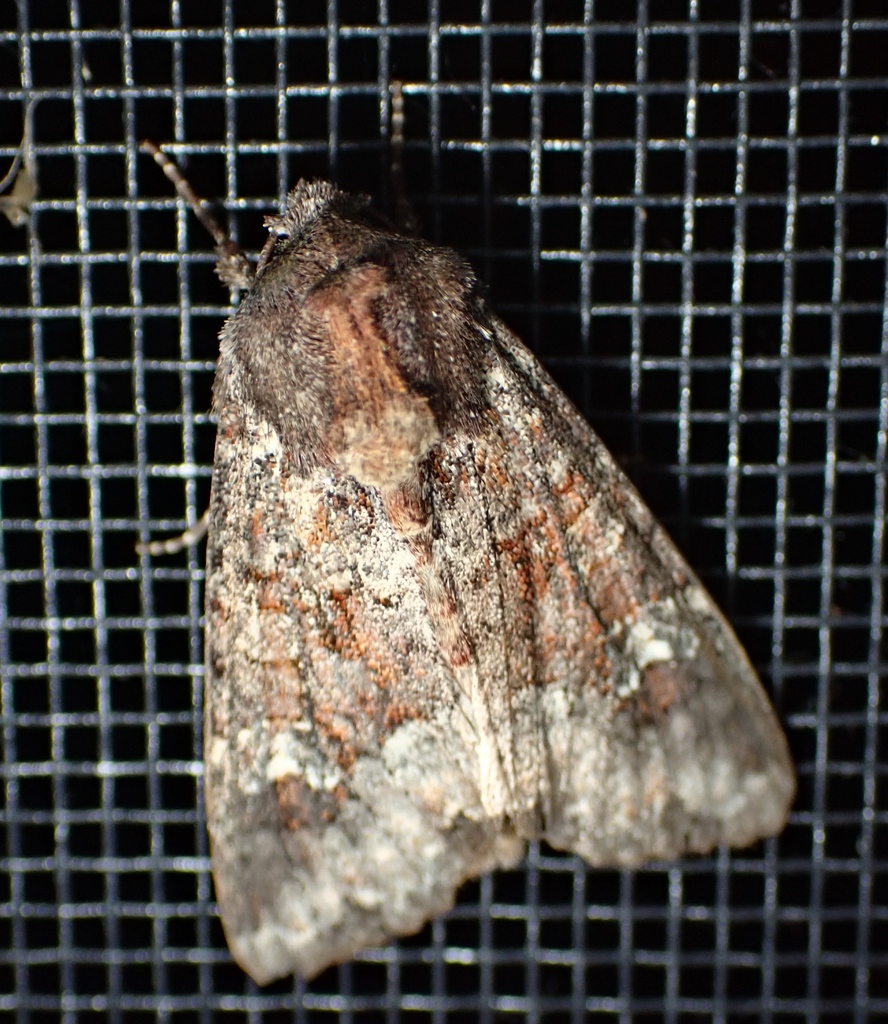
no rights reserved · CC0
Family: Noctuidae · Class: Insecta · Order: Lepidoptera
Apamea amputatrix (Yellow-headed Cutworm Moth) is a California animal in the Noctuidae family.
The Yellow-headed Cutworm Moth (Apamea amputatrix) is a medium-sized moth in the family Noctuidae. Adults typically display earth-toned forewings with subtle patterns that provide effective camouflage during daytime rest periods. The species derives its common name from the distinctive yellow-orange coloration of the larval head capsule, which contrasts with the body coloration of the caterpillar stage. This species exhibits a broad North American distribution, ranging from Labrador to the mountains of North Carolina, extending west across southern Canada and south to Missouri. According to iNaturalist, the species is found throughout most of North America, north to the Arctic regions. This extensive range makes it one of the more widely distributed moths in the genus Apamea. Yellow-headed Cutworm Moths occupy diverse habitats across their range, from boreal forests in northern regions to agricultural areas and gardens in more temperate zones. The species demonstrates considerable ecological adaptability, thriving in both natural and human-modified landscapes. Adults are typically active during late spring and summer months, when they are attracted to artificial lights and can be found resting on vegetation during daylight hours. The larvae, known as yellow-headed cutworms, are polyphagous feeders with an extensive host plant range. They feed on cabbage, corn, currants, grasses, lettuce, roses, wheat, and young trees, particularly fruit trees. This broad dietary range allows the species to exploit various ecological niches and contributes to its widespread distribution. The larvae are primarily soil-dwelling, emerging at night to feed on plant material near ground level. This nocturnal feeding behavior and their tendency to cut through plant stems at soil level gives cutworms their characteristic name. The species typically completes one generation per year in northern portions of its range, though multiple generations may occur in warmer southern areas. Pupation occurs in earthen cells constructed by the mature larvae in soil. Adults emerge and mate, with females laying eggs that overwinter and hatch the following spring. The timing of adult emergence varies with latitude and local climate conditions, generally occurring earlier in southern populations. Currently, Apamea amputatrix has no special conservation status and appears to maintain stable populations across its range. The species' broad host plant preferences and adaptability to various habitat types likely contribute to its continued abundance. In some agricultural contexts, the larvae may be considered minor pests due to their feeding on crop plants, though they rarely cause significant economic damage. The species serves important ecological roles as both herbivore and prey item for various predators, including birds, spiders, and parasitoid wasps that help regulate cutworm populations naturally.
Classification
Class: Insecta · Order: Lepidoptera · Family: Noctuidae
Frequently asked questions
How is Apamea amputatrix classified?
Apamea amputatrix belongs to class Insecta, order Lepidoptera, family Noctuidae.
What family does Apamea amputatrix belong to?
Apamea amputatrix is in the Noctuidae family.
What is Apamea amputatrix?
The Yellow-headed Cutworm Moth (Apamea amputatrix) is a medium-sized moth in the family Noctuidae.
Is Apamea amputatrix found in California?
Yes. Apamea amputatrix is recorded in California in The California Species Project's catalogue.
Related species
Other California species in the same genus, family, or bioregion.
Data from The California Species Project — 14,000+ California species with verified data from CNPS, CDFW, USFWS, and more.