Apamea unita
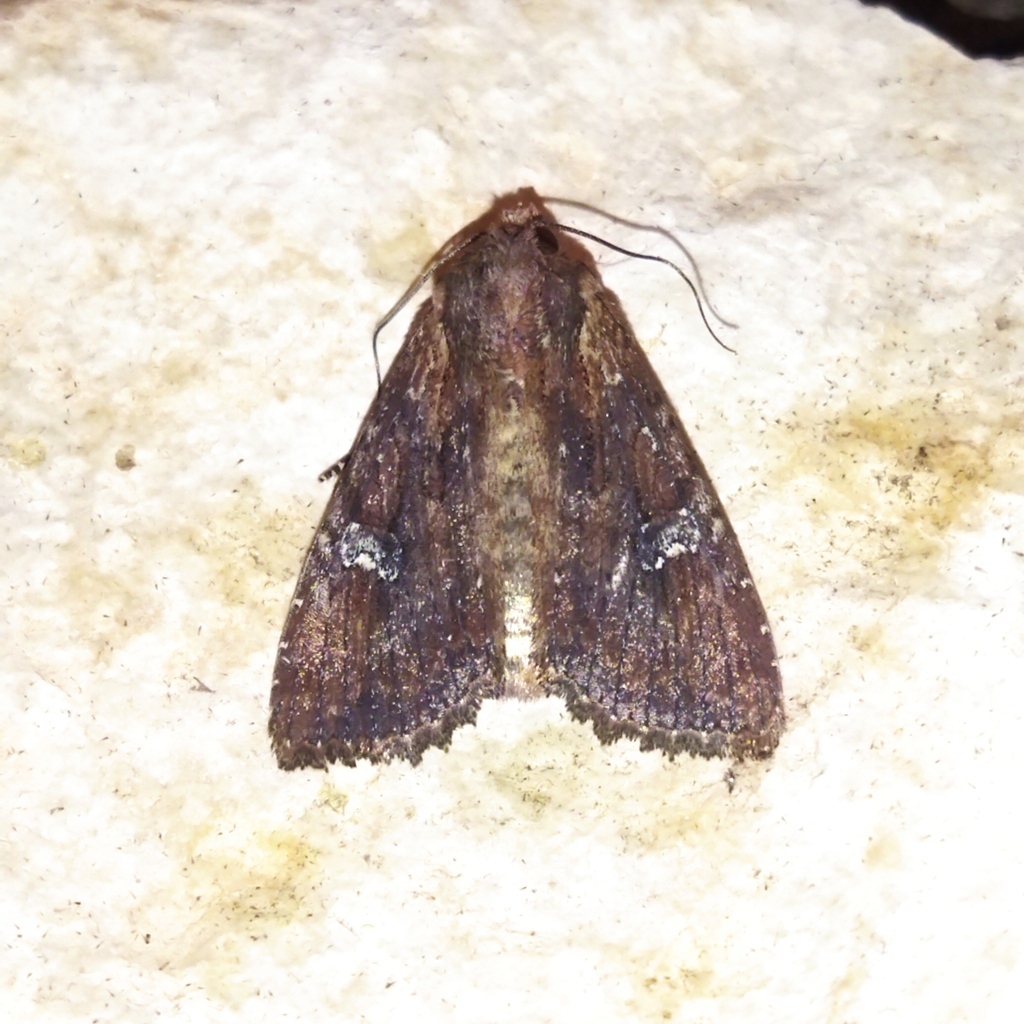
(c) SteveM4560, some rights reserved (CC BY) · licence
Family: Noctuidae · Class: Insecta · Order: Lepidoptera
Apamea unita is a California animal in the Noctuidae family.
Apamea unita is a moth species in the family Noctuidae, commonly known as owlet moths or cutworm moths. This species belongs to the genus Apamea, which comprises moths typically associated with graminoid host plants. The adult moths display the characteristic nocturid body plan with a robust thorax and relatively narrow forewings. Like other members of the genus, A. unita likely exhibits cryptic coloration with mottled brown and gray patterns that provide camouflage against tree bark and other natural substrates during daylight hours when the moths are at rest. The distribution and range of Apamea unita remain poorly documented in the scientific literature. The species appears to have a limited distribution, though specific geographic boundaries and population centers have not been comprehensively surveyed. Without detailed collection records or systematic surveys, the historical and current range of this species cannot be precisely delineated. The lack of comprehensive distributional data reflects the broader challenge of documenting many nocturid moth species, particularly those with restricted ranges or specific habitat requirements. Habitat preferences for Apamea unita are not well-established in published literature. Members of the genus Apamea typically inhabit areas where their larval host plants occur, which are predominantly grasses and sedges. The species likely requires habitats that support these graminoid communities, potentially including grasslands, meadows, wetland margins, or other areas where suitable host plants are abundant. Elevation preferences and specific microhabitat requirements remain undocumented for this species. The life history and ecological characteristics of Apamea unita follow the general pattern observed in related species within the genus. Adults are presumed to be nocturnal, with flight periods likely occurring during specific seasons when environmental conditions favor reproduction. Larvae probably develop as root feeders or stem borers in graminoid host plants, following the typical feeding strategy of the genus. The duration of larval development, number of generations per year, and overwintering stage remain unknown for this species. Adult moths likely locate mates through chemical communication using species-specific pheromones, a common reproductive strategy among nocturid moths. The conservation status of Apamea unita is not formally assessed at federal, state, or international levels. The species lacks formal protection under the Endangered Species Act or California state wildlife protection statutes. Population trends, threats, and conservation needs remain undocumented due to insufficient survey data and taxonomic research. The apparent rarity of collection records suggests either a naturally uncommon species with restricted distribution or a species that has been overlooked by collectors and researchers. Climate change, habitat loss, and invasive species represent potential threats common to many specialized herbivorous insects, though specific impacts on A. unita populations have not been evaluated. Systematic surveys and taxonomic research would be necessary to assess the true conservation status and needs of this species.
Classification
Class: Insecta · Order: Lepidoptera · Family: Noctuidae
Frequently asked questions
How is Apamea unita classified?
Apamea unita belongs to class Insecta, order Lepidoptera, family Noctuidae.
What family does Apamea unita belong to?
Apamea unita is in the Noctuidae family.
What is Apamea unita?
Apamea unita is a moth species in the family Noctuidae, commonly known as owlet moths or cutworm moths.
Is Apamea unita found in California?
Yes. Apamea unita is recorded in California in The California Species Project's catalogue.
Related species
Other California species in the same genus, family, or bioregion.
Data from The California Species Project — 14,000+ California species with verified data from CNPS, CDFW, USFWS, and more.