Apantesis ursina
Ursine Tiger Moth
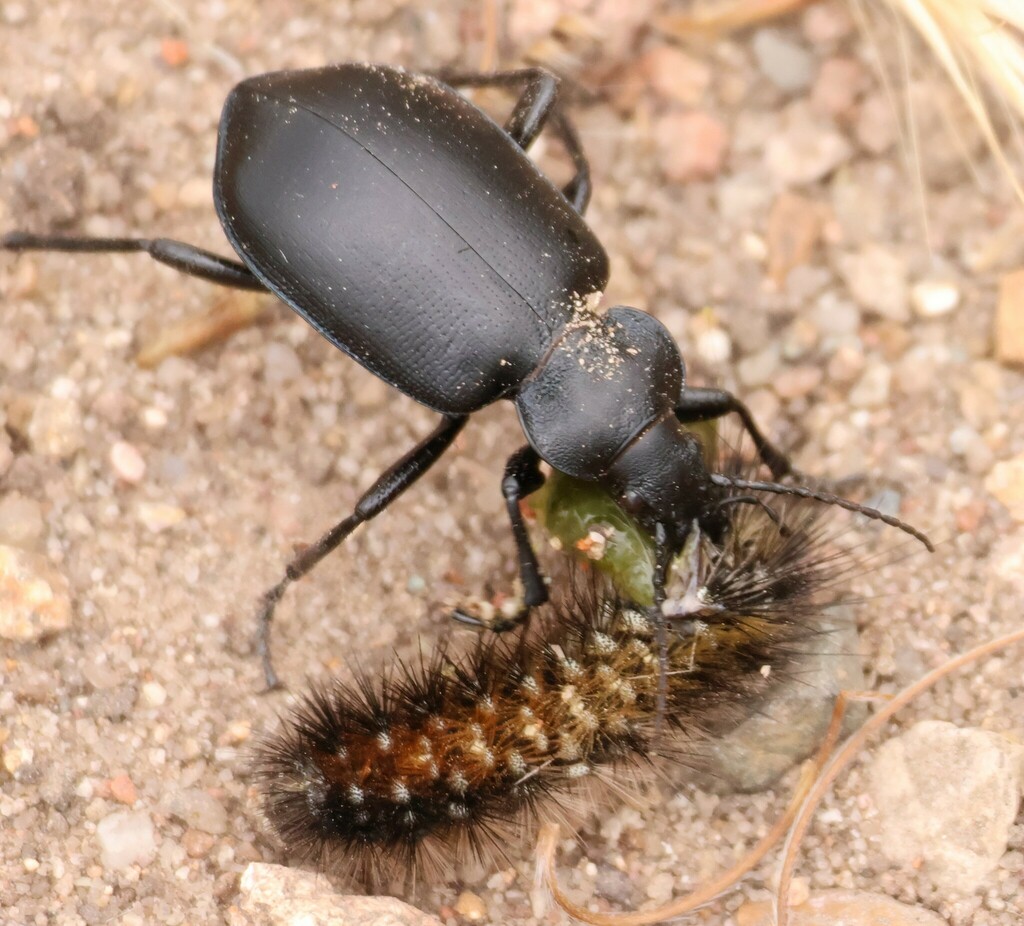
(c) Millie Basden, some rights reserved (CC BY) · licence
Family: Erebidae · Class: Insecta · Order: Lepidoptera
Apantesis ursina (Ursine Tiger Moth) is a California animal in the Erebidae family.
The Ursine Tiger Moth is a medium-sized tiger moth in the family Erebidae, subfamily Arctiinae. Adults display variable wing patterns typical of the genus Apantesis, with forewings featuring dark bands or spots on a lighter background and hindwings showing contrasting coloration. Males typically measure approximately 19 mm (0.75 inches) in body length, as documented in southern California specimens (BugGuide 2022). Apantesis ursina occurs across western North America, with documented populations from California north to British Columbia and east to Utah. In California, the species has been recorded from Orange County, including observations near Trabuco Creek in the Cleveland National Forest boundary area (BugGuide 2022). The species appears to have a broader distribution than initially recognized when first described by Schmidt in 2009. The species inhabits various habitats including chaparral, oak woodlands, and mixed coniferous forests at moderate elevations. The Orange County record from Trabuco Canyon suggests an affinity for riparian areas within broader woodland ecosystems. Like other Apantesis species, A. ursina likely utilizes diverse herbaceous plants and low shrubs as larval host plants, though specific host plant relationships have not been documented in the literature. Adult flight activity occurs during autumn months, with California records indicating peak activity in October. The species is attracted to artificial lights, facilitating observation and documentation by researchers and citizen scientists. Larvae likely feed on various herbaceous plants and may overwinter in this stage, following the typical life cycle pattern of related tiger moth species. Adults are presumably active at night, engaging in mating behaviors during the fall flight period. Apantesis ursina has been designated as a Species of Greatest Conservation Need in multiple state wildlife action plans, including Arkansas and New York (BugGuide 2016). These designations reflect concerns about population status, distribution gaps, or insufficient biological knowledge rather than immediate extinction risk. The species does not currently hold federal or state endangered species protection status. Limited occurrence records suggest the moth may have naturally restricted distributions or may be under-documented due to its nocturnal habits and specific habitat requirements. Climate change and habitat modification could pose potential threats to populations, particularly in California where urban development and wildfire frequency continue to impact native ecosystems. The species would benefit from targeted surveys to better understand its distribution, abundance, and ecological requirements. Current knowledge gaps include detailed host plant relationships, larval ecology, and population trends across the species' range.
Classification
Class: Insecta · Order: Lepidoptera · Family: Erebidae
Frequently asked questions
How is Apantesis ursina classified?
Apantesis ursina belongs to class Insecta, order Lepidoptera, family Erebidae.
What family does Apantesis ursina belong to?
Apantesis ursina is in the Erebidae family.
What is Apantesis ursina?
The Ursine Tiger Moth is a medium-sized tiger moth in the family Erebidae, subfamily Arctiinae.
Is Apantesis ursina found in California?
Yes. Apantesis ursina is recorded in California in The California Species Project's catalogue.
Related species
Other California species in the same genus, family, or bioregion.
Data from The California Species Project — 14,000+ California species with verified data from CNPS, CDFW, USFWS, and more.