Apomyelois bistriatella
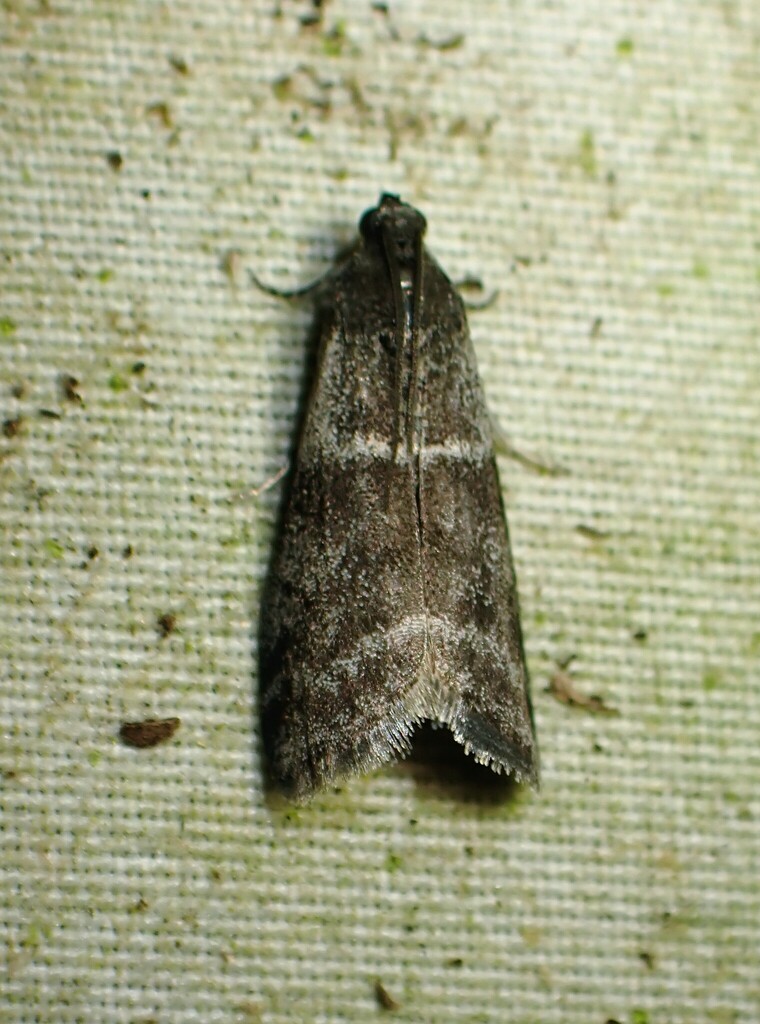
(c) Louis Imbeau, some rights reserved (CC BY) · licence
Family: Pyralidae · Class: Insecta · Order: Lepidoptera
Apomyelois bistriatella is a California animal in the Pyralidae family.
The Heath Knot-Horn (Apomyelois bistriatella) is a species of snout moth in the family Pyralidae. This moth was first described by Hulst in 1887 and represents one of several species within the genus Apomyelois. The species exhibits the typical characteristics of pyralid moths, with a relatively small body size and distinctive wing patterns that help distinguish it from related species. Apomyelois bistriatella has a notably broad distribution that spans multiple continents. The species occurs across California and the eastern United States, as well as northern Europe and Russia (iNaturalist). This transcontinental distribution suggests the species has either strong dispersal capabilities or represents a complex of closely related taxa. In California, specific distributional records and county-level occurrence data remain poorly documented in the available literature. Habitat requirements for the Heath Knot-Horn have not been thoroughly documented in scientific literature. Based on its common name and the general ecology of related pyralid species, the moth likely inhabits heath and shrubland environments. Many species in the genus Apomyelois are associated with various plant communities, though specific vegetation associations for A. bistriatella require further investigation. The species' broad geographic range suggests it can tolerate diverse climatic conditions and habitat types. The life history and ecological behavior of Apomyelois bistriatella remain largely unstudied. Like other pyralid moths, the species likely undergoes complete metamorphosis with distinct egg, larval, pupal, and adult stages. Larval host plants and feeding behavior have not been specifically documented for this species. Adult flight periods, mating behavior, and seasonal activity patterns are not well established in the available literature. The species' role in local ecosystems, including its interactions with other species and its function as either herbivore or potential pollinator, requires further research. Apomyelois bistriatella does not appear on any federal or state conservation lists and has no formal conservation status designation. The species is not listed by the U.S. Fish and Wildlife Service, nor does it appear to have any special conservation concern status in California. The broad geographic distribution spanning multiple continents suggests the species may be relatively secure globally, though local population trends and specific threats have not been assessed. Like many small moth species, A. bistriatella likely faces general threats associated with habitat modification, artificial lighting, and climate change, but specific conservation needs have not been evaluated. Scientific documentation for this species remains limited. The information presented here is based on available sources including iNaturalist and NatureServe. If you have additional verified information about this species' biology, distribution, or ecology, please contact us to help improve this species account.
Classification
Class: Insecta · Order: Lepidoptera · Family: Pyralidae
Frequently asked questions
How is Apomyelois bistriatella classified?
Apomyelois bistriatella belongs to class Insecta, order Lepidoptera, family Pyralidae.
What family does Apomyelois bistriatella belong to?
Apomyelois bistriatella is in the Pyralidae family.
What is Apomyelois bistriatella?
The Heath Knot-Horn (Apomyelois bistriatella) is a species of snout moth in the family Pyralidae.
Is Apomyelois bistriatella found in California?
Yes. Apomyelois bistriatella is recorded in California in The California Species Project's catalogue.
Related species
Other California species in the same genus, family, or bioregion.
Data from The California Species Project — 14,000+ California species with verified data from CNPS, CDFW, USFWS, and more.