Archeolarca aalbui
Aalbu's Cave Pseudoscorpion
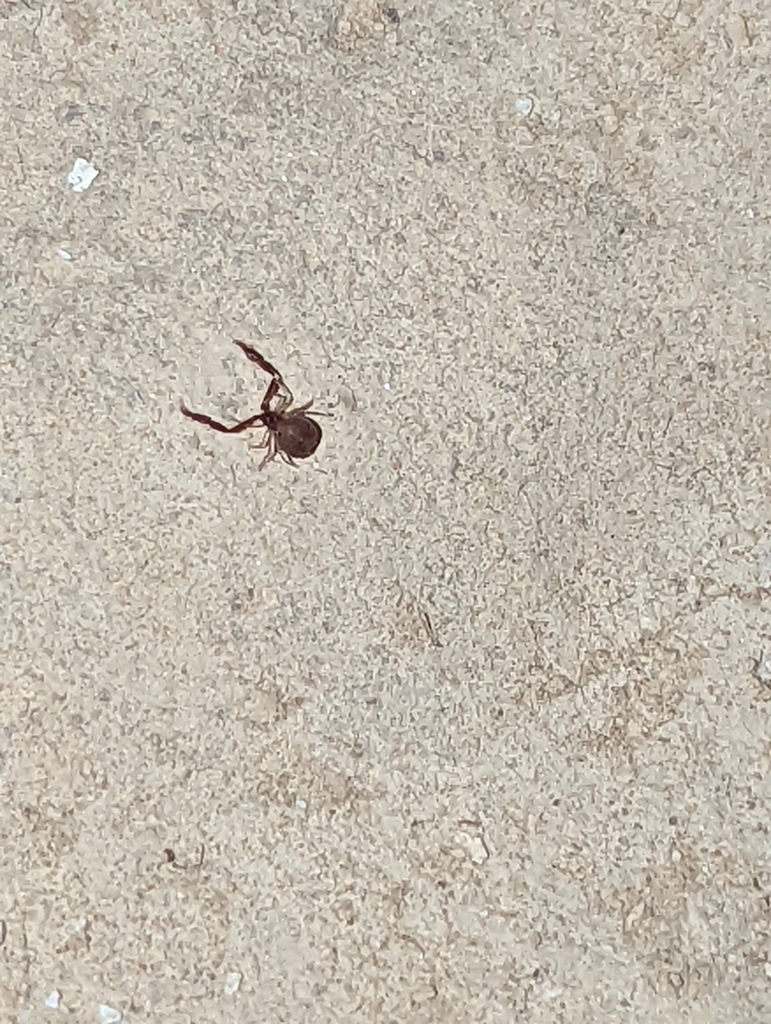
(c) Tom and T Herman, some rights reserved (CC BY) · licence
Family: Garypidae · Class: Arachnida · Order: Pseudoscorpiones
Conservation status: G1 S1
Archeolarca aalbui (Aalbu's Cave Pseudoscorpion) is a California animal in the Garypidae family.
Archeolarca aalbui is a cave-dwelling arachnid in the order Pseudoscorpiones, representing one of several specialized cave pseudoscorpion species found in North America. This species belongs to the family Garypidae, which includes numerous cave-adapted taxa that have evolved specialized morphological and physiological adaptations for subterranean life. The physical characteristics of A. aalbui, like other cave pseudoscorpions, likely include adaptations typical of obligate cave species such as reduced or absent eyes, elongated appendages, and pale or unpigmented integument. Pseudoscorpions are small arachnids typically measuring 2-8 millimeters in body length, with chelate pedipalps resembling those of scorpions but lacking a tail and stinger. Cave-adapted species often exhibit enhanced sensory structures to navigate in perpetual darkness. According to the U.S. Fish and Wildlife Service, A. aalbui is designated as a Species of Concern, indicating that while not federally listed under the Endangered Species Act, the species warrants attention due to potential conservation concerns (USFWS ECOS database, 2025). The species carries a conservation ranking of G1 S1, indicating it is critically imperiled both globally and within its state range, with typically five or fewer populations or very few remaining individuals. The specific range and habitat requirements of A. aalbui have not been extensively documented in available literature. Cave pseudoscorpions are typically restricted to specific cave systems or karst regions where they inhabit the zone of permanent darkness beyond the cave entrance. These environments maintain constant temperature and humidity levels throughout the year, creating stable microhabitats essential for specialized cave fauna. Cave pseudoscorpions are predatory arthropods that feed on small invertebrates including springtails, mites, small insects, and other cave-dwelling arthropods. They capture prey using their chelate pedipalps and inject digestive enzymes to externally digest their food. Reproduction in pseudoscorpions involves complex courtship behaviors, with females carrying eggs and young in a brood pouch. Cave species often have extended life cycles and reduced reproductive rates compared to surface-dwelling relatives. The conservation status of A. aalbui reflects the vulnerability common to cave-endemic species. Cave ecosystems are particularly susceptible to disturbance because they are isolated, have limited energy inputs, and support small populations with restricted dispersal capabilities. Threats to cave pseudoscorpions typically include habitat modification, groundwater contamination, changes in hydrology, and human disturbance of cave systems. Climate change may also affect these species by altering groundwater patterns and cave microenvironments. The Species of Concern designation indicates that A. This species is included on the California Department of Fish and Wildlife's Special Animals List. aalbui may warrant future consideration for federal protection if populations continue to decline or face increasing threats. Continued monitoring and research into the species' distribution, population status, and ecological requirements are necessary to inform conservation decisions and habitat management strategies.
Classification
Class: Arachnida · Order: Pseudoscorpiones · Family: Garypidae
Conservation status
G1 S1
Frequently asked questions
How is Archeolarca aalbui classified?
Archeolarca aalbui belongs to class Arachnida, order Pseudoscorpiones, family Garypidae.
What family does Archeolarca aalbui belong to?
Archeolarca aalbui is in the Garypidae family.
Is Archeolarca aalbui protected or of conservation concern?
Archeolarca aalbui carries the following status: G1 S1.
What is Archeolarca aalbui?
Archeolarca aalbui is a cave-dwelling arachnid in the order Pseudoscorpiones, representing one of several specialized cave pseudoscorpion species found in North America.
Is Archeolarca aalbui found in California?
Yes. Archeolarca aalbui is recorded in California in The California Species Project's catalogue.
Related species
Other California species in the same genus, family, or bioregion.
Data from The California Species Project — 14,000+ California species with verified data from CNPS, CDFW, USFWS, and more.