Ardea ibis
Western Cattle-Egret
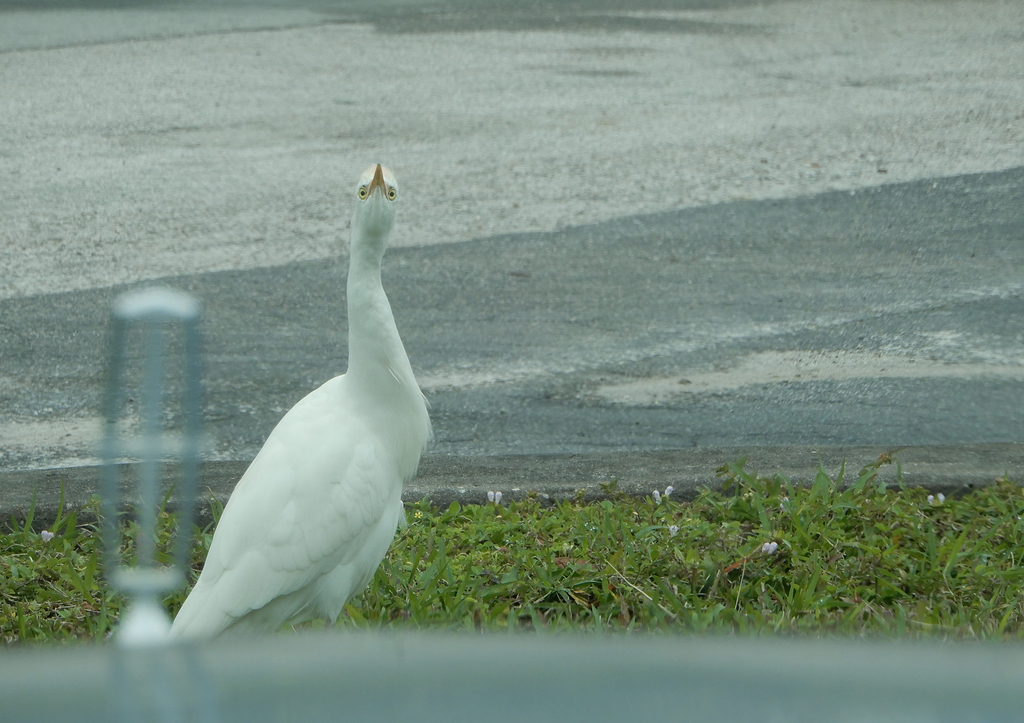
(c) Lyndsey, some rights reserved (CC BY) · licence
Family: Ardeidae · Class: Aves · Order: Pelecaniformes
Ardea ibis (Western Cattle-Egret) is a California animal in the Ardeidae family.
The Western Cattle-Egret is a medium-sized wading bird measuring approximately 46-56 cm (18-22 inches) in length with a wingspan of 88-96 cm (35-38 inches). Adults display white plumage year-round, with breeding adults developing distinctive buff-orange plumes on the crown, breast, and back. The bill is yellow-orange during breeding season and darker during non-breeding periods. The legs are typically dark but can appear reddish during breeding. This species can be distinguished from other egrets by its shorter, thicker neck and more compact build. The Western Cattle-Egret has undergone extensive range expansion over the past century. Originally native to Africa, the species naturally colonized South America in the 1870s and subsequently spread throughout the Americas. In California, the species breeds in extreme southeastern areas, particularly the Salton Sea region (Birds of the World). The species now occurs throughout much of North America, Central America, and parts of South America, demonstrating one of the most dramatic range expansions documented in modern ornithology. This species inhabits a variety of wetland and agricultural environments. During breeding season, Western Cattle-Egrets utilize swamps, coastal islands, estuarine swamps, wooded uplands, riparian corridors, and inland islands (Birds of the World). Outside of breeding, they frequent agricultural areas, pastures, and fields where livestock are present. The species demonstrates high habitat flexibility, avoiding only extreme climates such as polar areas, tundra, boreal forests, and high mountains (Birds of the World). Western Cattle-Egrets exhibit highly social foraging behavior, often following cattle and other large mammals to capture insects and small animals disturbed by grazing. This commensal relationship has been key to their ecological success and range expansion. The species demonstrates notable gregariousness and may "leap-frog" over one another as flocks move across feeding areas (Birds of the World). Diet consists primarily of insects, including grasshoppers, crickets, flies, and beetles, though they also consume small vertebrates such as frogs, lizards, and rodents when available. Their foraging adaptability, particularly in human-modified landscapes, has contributed significantly to their colonization success. Breeding occurs in colonial rookeries, often mixed with other heron and egret species. Nests are constructed of sticks and placed in trees or shrubs near water. Females typically lay 2-5 pale blue eggs, with both parents sharing incubation duties for approximately 21-25 days. The species exhibits strong dispersal tendencies, with individuals capable of long-distance movements that facilitate continued range expansion. The Western Cattle-Egret currently has no special conservation status and is considered stable throughout most of its range. The species' adaptability to human-modified environments and agricultural landscapes has allowed populations to thrive. In fact, the continued expansion and stable populations represent a conservation success story, though the species' rapid colonization has raised questions about potential impacts on native ecosystems and competing species in newly occupied habitats.
Classification
Class: Aves · Order: Pelecaniformes · Family: Ardeidae
Frequently asked questions
How is Ardea ibis classified?
Ardea ibis belongs to class Aves, order Pelecaniformes, family Ardeidae.
What family does Ardea ibis belong to?
Ardea ibis is in the Ardeidae family.
What is Ardea ibis?
The Western Cattle-Egret is a medium-sized wading bird measuring approximately 46-56 cm (18-22 inches) in length with a wingspan of 88-96 cm (35-38 inches).
Is Ardea ibis found in California?
Yes. Ardea ibis is recorded in California in The California Species Project's catalogue.
Related species
Other California species in the same genus, family, or bioregion.
Data from The California Species Project — 14,000+ California species with verified data from CNPS, CDFW, USFWS, and more.