Argyrotaenia franciscana
Orange Tortrix Moth
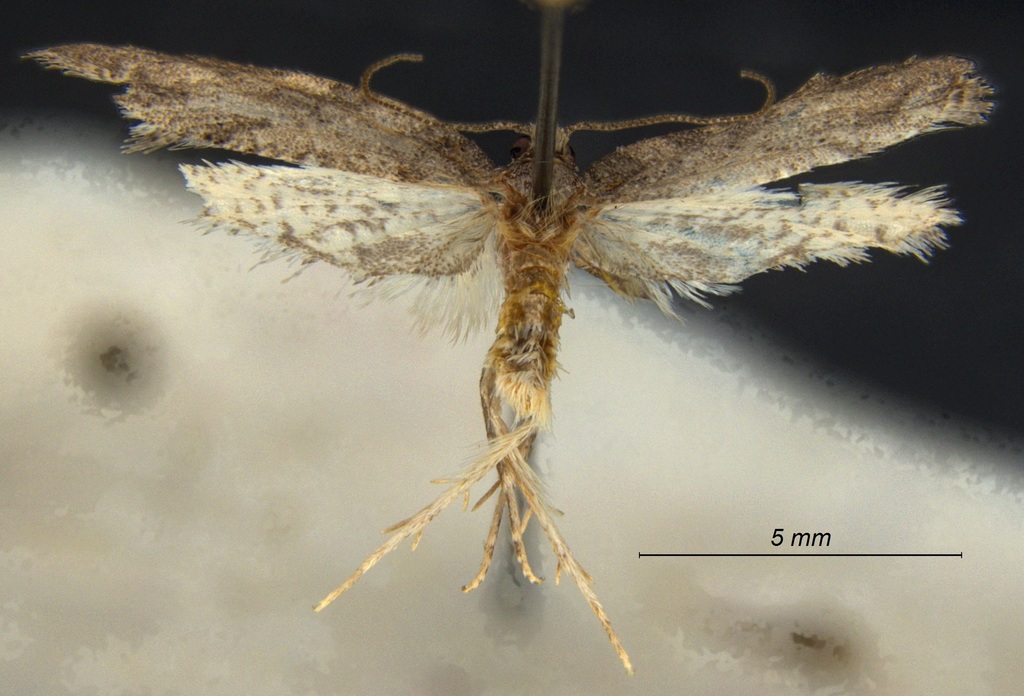
(c) Casey H. Richart, some rights reserved (CC BY) · licence
Family: Tortricidae · Class: Insecta · Order: Lepidoptera
Argyrotaenia franciscana (Orange Tortrix Moth) is a California animal in the Tortricidae family.
The Orange Tortrix Moth (Argyrotaenia franciscana) is a small moth in the family Tortricidae, commonly known as leafroller moths. Adults typically measure 10-15 mm (0.4-0.6 inches) in wingspan, with forewings displaying variable coloration ranging from orange-brown to rust-colored with darker reticulated patterns. The forewings often show a characteristic triangular or bell-shaped outline when at rest, folded tent-like over the body. Hindwings are typically pale gray to whitish. Males can be distinguished from females by their more feathered antennae and slightly smaller size. Argyrotaenia franciscana occurs along the Pacific Coast from British Columbia to California, representing a relatively narrow coastal distribution. Within California, the species is found in coastal counties where suitable host plants and climatic conditions support population establishment. This coastal range reflects the species' preference for the mild, maritime climate characteristic of Pacific coastal regions. The species inhabits areas where citrus groves and other fruit tree plantations occur, as well as natural areas supporting native host plants. Orange Tortrix Moths are typically found at lower elevations in coastal valleys and foothills where temperature and humidity conditions remain moderate. The species shows adaptation to both agricultural landscapes and natural plant communities that provide suitable larval host plants. Orange Tortrix Moth larvae are polyphagous feeders, functioning as pests of citrus and other fruit trees. Caterpillars feed by rolling leaves or webbing them together, creating protective shelters while consuming leaf tissue. This leaf-rolling behavior is characteristic of the Tortricidae family. Adults are primarily nocturnal, with flight periods typically occurring during warmer months. Females deposit eggs on host plant foliage, and the species likely completes multiple generations per year in favorable climates. Larvae pupate within their leaf shelters or in nearby protected locations. The Orange Tortrix Moth is not currently listed under federal or state endangered species legislation. As an agricultural pest species, management efforts typically focus on population control rather than conservation. The species' status appears stable throughout its range, with populations maintained by the widespread availability of both cultivated and wild host plants. However, like many specialized herbivorous insects, the species could be vulnerable to habitat loss, pesticide applications in agricultural areas, and climate change effects that alter host plant distributions or phenology. The economic significance of Argyrotaenia franciscana lies primarily in its pest status on commercially important fruit crops. Integrated pest management approaches in agricultural settings help balance crop protection with ecosystem considerations. The species' relatively stable population status and broad host plant range suggest resilience to moderate environmental changes, though continued monitoring in agricultural and natural settings provides valuable information about population trends and ecosystem health indicators.
Classification
Class: Insecta · Order: Lepidoptera · Family: Tortricidae
Frequently asked questions
How is Argyrotaenia franciscana classified?
Argyrotaenia franciscana belongs to class Insecta, order Lepidoptera, family Tortricidae.
What family does Argyrotaenia franciscana belong to?
Argyrotaenia franciscana is in the Tortricidae family.
What is Argyrotaenia franciscana?
The Orange Tortrix Moth (Argyrotaenia franciscana) is a small moth in the family Tortricidae, commonly known as leafroller moths.
Is Argyrotaenia franciscana found in California?
Yes. Argyrotaenia franciscana is recorded in California in The California Species Project's catalogue.
Related species
Other California species in the same genus, family, or bioregion.
Data from The California Species Project — 14,000+ California species with verified data from CNPS, CDFW, USFWS, and more.