Ariolimax columbianus
Pacific Banana Slug
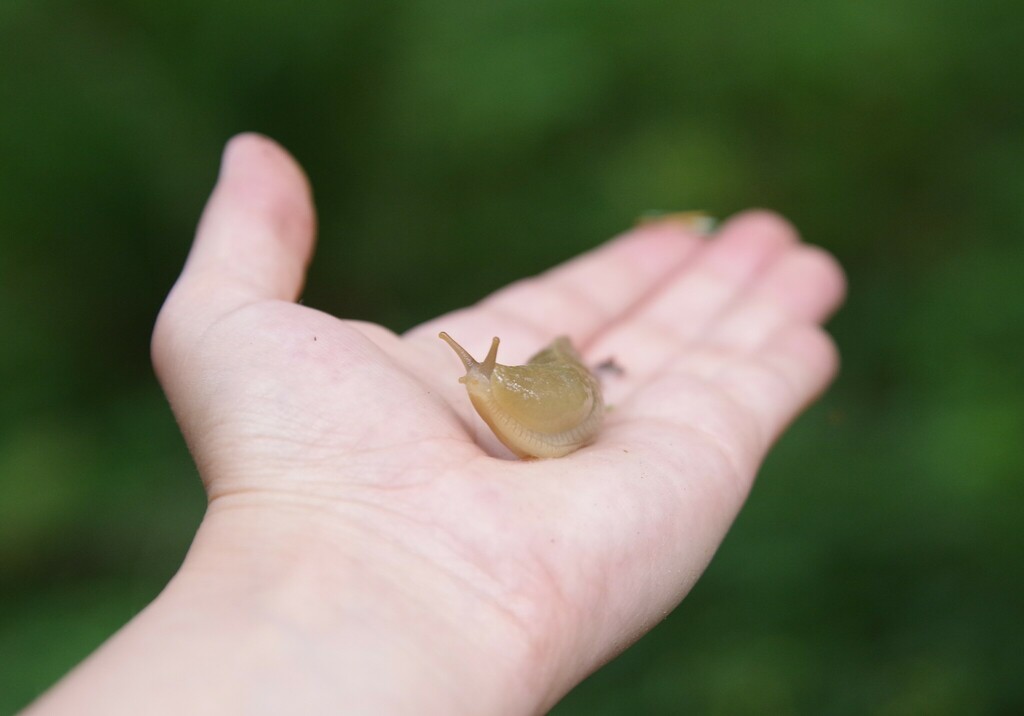
(c) Natalia Ganson, some rights reserved (CC BY) · licence
Family: Arionidae · Class: Gastropoda · Order: Stylommatophora
Ariolimax columbianus (Pacific Banana Slug) is a California animal in the Arionidae family.
The Pacific Banana Slug (Ariolimax columbianus) is North America's second-largest terrestrial gastropod, reaching lengths of 15 to 25 centimeters (6 to 10 inches). The species displays considerable color variation, ranging from bright yellow-green to olive-brown, often with dark spots or mottling. The body is soft and muscular, covered in a protective mucus layer that aids in locomotion and moisture retention. Two pairs of tentacles extend from the head - the upper pair bearing eyes and the lower pair functioning as chemoreceptors. The Pacific Banana Slug occurs along the Pacific Coast from central California to southern Alaska (NatureServe Explorer). In California, the species is found primarily in coastal counties from Santa Cruz northward, extending inland through the Coast Ranges and into the Sierra Nevada foothills. The range includes Marin, Sonoma, Mendocino, Humboldt, and Del Norte counties, with scattered populations in Santa Clara and San Mateo counties. This species inhabits cool, moist environments characteristic of coastal temperate rainforests and redwood groves. Pacific Banana Slugs require high humidity and are typically found under fallen logs, among leaf litter, beneath ferns and moss, or in areas with dense canopy cover that maintains consistent moisture. They occur from sea level to elevations of approximately 1,200 meters (4,000 feet) in suitable habitat. The species is most active during foggy conditions and following rainfall. Pacific Banana Slugs are primarily detritivores, feeding on decomposing plant material, fungi, dead animal matter, and occasionally fresh vegetation. They play a crucial ecological role as decomposers, helping to recycle nutrients in forest ecosystems. The species is hermaphroditic, with individuals possessing both male and female reproductive organs. Mating occurs during the wet season, typically from October through March. Following courtship, both partners may lay clusters of translucent eggs in moist soil or under decaying logs. Eggs hatch after several weeks, and juveniles may take up to two years to reach sexual maturity. Pacific Banana Slugs serve as prey for various predators, including California Giant Salamanders (Dicamptodon ensatus) and Coastal Giant Salamanders (Dicamptodon tenebrosus), which have been documented consuming them in multiple California counties. Other predators include garter snakes, ground beetles, and various bird species. The Pacific Banana Slug is not federally or state listed and maintains a NatureServe Global Rank of G5, indicating the species is secure and widespread (NatureServe Explorer). However, habitat loss due to logging, development, and climate change poses ongoing challenges. The species' dependence on cool, moist forest conditions makes it vulnerable to drought and temperature increases associated with climate change. Forest management practices that maintain canopy cover and moisture retention are essential for preserving suitable habitat for this ecologically important mollusk.
Classification
Class: Gastropoda · Order: Stylommatophora · Family: Arionidae
Frequently asked questions
How is Ariolimax columbianus classified?
Ariolimax columbianus belongs to class Gastropoda, order Stylommatophora, family Arionidae.
What family does Ariolimax columbianus belong to?
Ariolimax columbianus is in the Arionidae family.
What is Ariolimax columbianus?
The Pacific Banana Slug (Ariolimax columbianus) is North America's second-largest terrestrial gastropod, reaching lengths of 15 to 25 centimeters (6 to 10 inches).
Is Ariolimax columbianus found in California?
Yes. Ariolimax columbianus is recorded in California in The California Species Project's catalogue.
Related species
Other California species in the same genus, family, or bioregion.
Data from The California Species Project — 14,000+ California species with verified data from CNPS, CDFW, USFWS, and more.