Aroga paulella
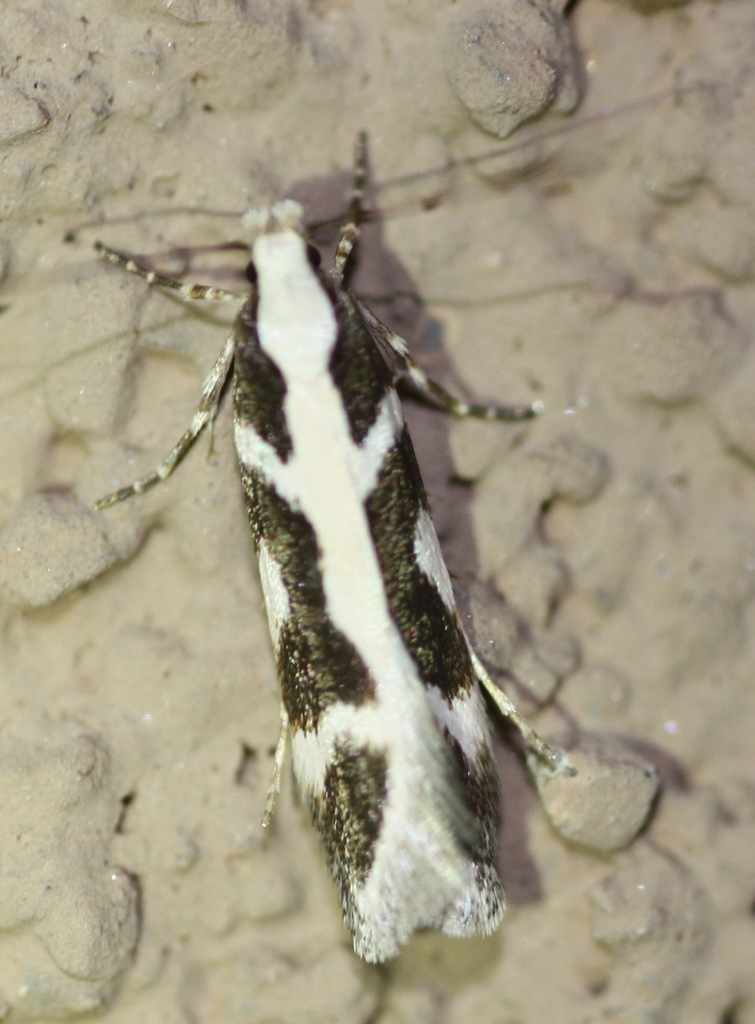
(c) Andrew Meeds, some rights reserved (CC BY) · licence
Family: Gelechiidae · Class: Insecta · Order: Lepidoptera
Aroga paulella is a California animal in the Gelechiidae family.
Aroga paulella is a small moth in the family Gelechiidae, commonly known as twirler moths or gelechiid moths. This species represents one of numerous members of the genus Aroga, which contains over 40 described species in North America. Adults typically measure 8 to 12 mm in wingspan, displaying the characteristic narrow forewings and fringed hindwings typical of the gelechiid family. The forewings are generally brownish-gray to tan in coloration with subtle darker markings, while the hindwings are lighter gray with prominent fringes along the margins. The antennae are thread-like and approximately three-quarters the length of the forewings. The geographic distribution of Aroga paulella appears to be primarily concentrated in western North America, though detailed range information for this species remains limited in the scientific literature. Like many gelechiid moths, this species likely has a restricted range tied to the distribution of its host plants. The genus Aroga is well-represented in California and other western states, with many species showing narrow endemic distributions. Aroga paulella inhabits areas where its host plants occur, typically in arid and semi-arid environments characteristic of western North American ecosystems. Many Aroga species are associated with shrublands, desert margins, and open woodland habitats at various elevations. The specific habitat requirements for A. paulella likely depend on the microhabitat preferences of its host plant species and the availability of suitable overwintering sites for pupae. The life cycle of Aroga paulella follows the typical lepidopteran pattern of complete metamorphosis. Adults are likely active during warmer months, with flight periods varying based on local climate conditions and elevation. Larvae are internal feeders, developing within plant tissues such as stems, roots, or seed heads of their host plants. This feeding behavior is characteristic of many gelechiid moths, with larvae creating galleries or chambers within plant structures. The species likely overwinters in the pupal stage, with pupation occurring in plant debris or soil near the host plant. Females deposit eggs singly or in small clusters on or near host plants. Larval development typically requires several weeks to months, depending on environmental conditions and host plant quality. Many Aroga species are univoltine, producing one generation per year, though some may have extended development periods spanning multiple seasons in harsh environmental conditions. The conservation status of Aroga paulella has not been formally assessed by state or federal agencies. As with many small moth species, population trends and threats are poorly understood due to limited survey data and taxonomic expertise. Potential threats to gelechiid moths include habitat loss, invasive plant species that may displace native host plants, and climate change effects on plant-insect relationships. The specialized host plant requirements of many Aroga species make them potentially vulnerable to environmental changes that affect their host plant populations. Further research is needed to understand the ecology, distribution, and conservation needs of this species.
Classification
Class: Insecta · Order: Lepidoptera · Family: Gelechiidae
Frequently asked questions
How is Aroga paulella classified?
Aroga paulella belongs to class Insecta, order Lepidoptera, family Gelechiidae.
What family does Aroga paulella belong to?
Aroga paulella is in the Gelechiidae family.
What is Aroga paulella?
Aroga paulella is a small moth in the family Gelechiidae, commonly known as twirler moths or gelechiid moths.
Is Aroga paulella found in California?
Yes. Aroga paulella is recorded in California in The California Species Project's catalogue.
Related species
Other California species in the same genus, family, or bioregion.
Data from The California Species Project — 14,000+ California species with verified data from CNPS, CDFW, USFWS, and more.