Aseptis binotata
Two-Spotted Aseptis
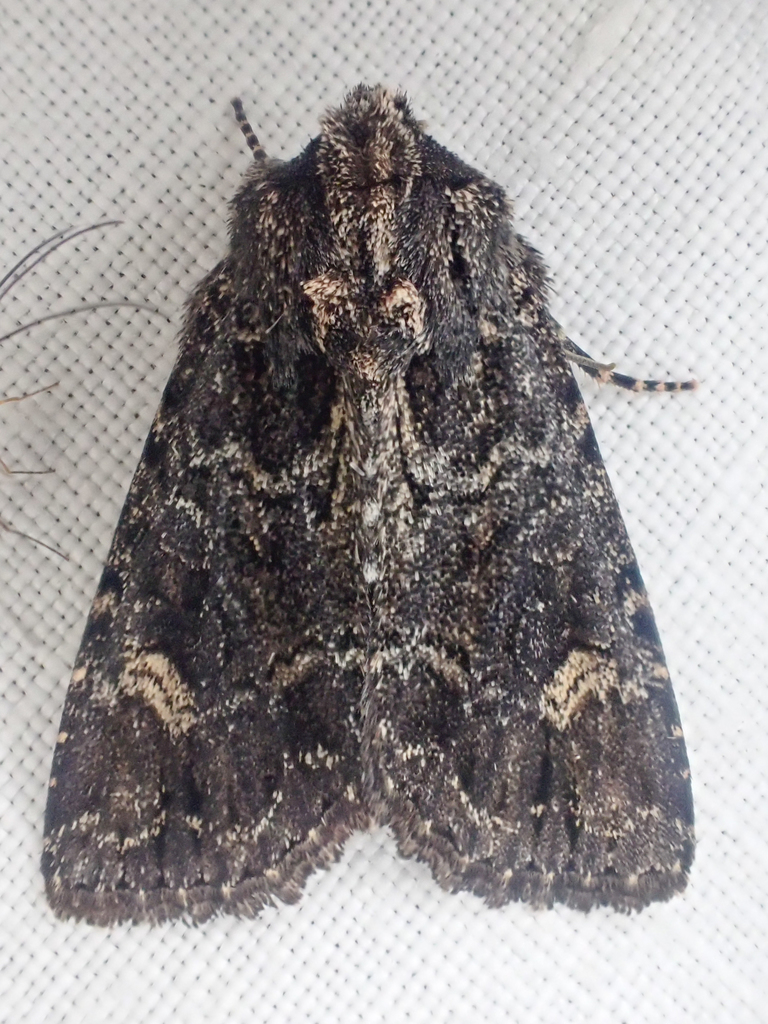
(c) Trevor Van Loon, some rights reserved (CC BY) · licence
Family: Noctuidae · Class: Insecta · Order: Lepidoptera
Aseptis binotata (Two-Spotted Aseptis) is a California animal in the Noctuidae family.
The Two-Spotted Aseptis (Aseptis binotata) is a nocturid moth belonging to the family Noctuidae, subfamily Noctuinae and tribe Xylenini. This species is also known as the Rusty Shoulder Knot Moth (BugGuide). Adults are medium-sized cutworm moths with distinctive wing patterns that include the characteristic two spots referenced in the common name, though detailed morphological descriptions remain limited in the scientific literature. Aseptis binotata occurs across western North America, with documented records from California, Oregon, Idaho, and Montana. In California, the species has been recorded from multiple counties including San Luis Obispo, San Benito, Inyo, Sierra, and Calaveras counties. Specific locality records include areas near Morro Bay in San Luis Obispo County, Aromas in San Benito County, and various Sierra Nevada locations (Lepidopterists' Society Season Summaries). The species extends northward through Oregon and Idaho, with records from Klamath Marsh National Wildlife Refuge in Oregon and various locations in Idaho including Palisades Reservoir and Casino Creek Campground. Habitat preferences for A. binotata appear diverse, ranging from coastal areas to montane environments. California records span from near sea level locations like Morro Bay to higher elevation sites in the Sierra Nevada, including areas around Shaver Lake at 7,000 feet elevation. The species has been documented in campgrounds, coastal pine lodges, and forested areas, suggesting adaptability to various vegetation types. Montana records from locations like Condon and Leadville indicate the species also occurs in Rocky Mountain habitats. Adult flight period extends from late spring through late summer, with records spanning from May through September. California observations include specimens collected in June near Cambria and July in the Sierra Nevada region. Idaho and Montana records show activity from June through August, with peak activity appearing to occur in July. Adults are nocturnal and are readily attracted to ultraviolet and mercury vapor lights, as evidenced by numerous light trap collections reported in lepidopterological surveys. Like other members of the genus Aseptis, A. binotata likely feeds on herbaceous plants during the larval stage, though specific host plant relationships have not been well documented in the literature. The genus is associated with various plant families, but detailed ecological studies of this particular species are lacking. Adults probably do not feed, following the typical pattern of many noctuid moths. Aseptis binotata does not appear on federal or state endangered species lists and has no formal conservation status. The species seems to maintain stable populations across its range, with regular reports from lepidopterist surveys and citizen science observations. However, comprehensive population studies have not been conducted, and long-term trends remain undocumented. The species' apparent habitat flexibility may contribute to its persistence across diverse western landscapes. Detailed ecological studies of this species are lacking. The above information synthesizes available observations from BugGuide, Lepidopterists' Society records, and field surveys. We welcome contributions of verified scientific data, photographs, or field observations to enhance this species account.
Classification
Class: Insecta · Order: Lepidoptera · Family: Noctuidae
Frequently asked questions
How is Aseptis binotata classified?
Aseptis binotata belongs to class Insecta, order Lepidoptera, family Noctuidae.
What family does Aseptis binotata belong to?
Aseptis binotata is in the Noctuidae family.
What is Aseptis binotata?
The Two-Spotted Aseptis (Aseptis binotata) is a nocturid moth belonging to the family Noctuidae, subfamily Noctuinae and tribe Xylenini.
Is Aseptis binotata found in California?
Yes. Aseptis binotata is recorded in California in The California Species Project's catalogue.
Related species
Other California species in the same genus, family, or bioregion.
Data from The California Species Project — 14,000+ California species with verified data from CNPS, CDFW, USFWS, and more.