Ashmeadiella sculleni
Leaf-cutter bees
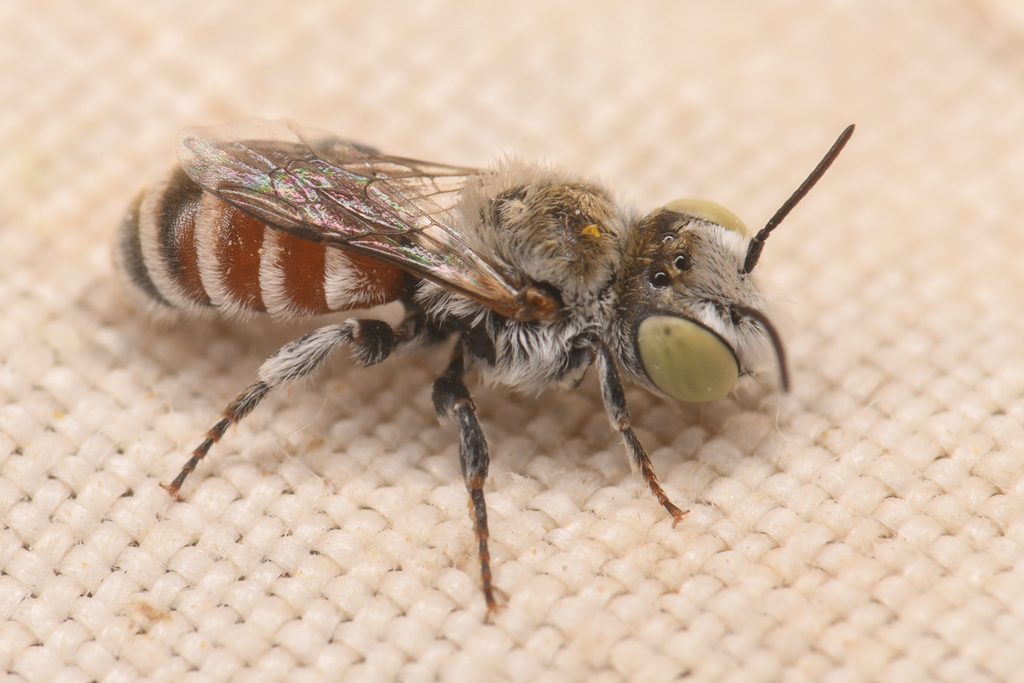
(c) Trevor Van Loon, some rights reserved (CC BY) · licence
Family: Megachilidae · Class: Insecta · Order: Hymenoptera
Ashmeadiella sculleni (Leaf-cutter bees) is a California animal in the Megachilidae family.
Ashmeadiella sculleni is a small, solitary bee in the family Megachilidae, known for its specialized relationship with penstemon flowers. This species exhibits typical leafcutter bee morphology, with females using their mandibles to cut circular pieces from leaves and petals to construct nest cells. Like other members of the genus Ashmeadiella, this species likely measures 6-12 millimeters in length, though detailed morphological descriptions remain limited in the scientific literature. The species has an extremely restricted distribution, known from only three documented locations: two sites in eastern Oregon (Baker and Harney counties) and one in northern Humboldt County, Nevada. Given the considerable distance between these isolated populations, additional undiscovered populations may exist in suitable habitat between these sites (Xerces Society 2019). The species' presence in both Oregon and Nevada suggests adaptation to the intermountain desert and semi-arid environments characteristic of the Great Basin region. Ashmeadiella sculleni inhabits areas where its host plants, species in the genus Penstemon (beardtongue), are present. Penstemons typically grow in well-drained soils of desert valleys, foothills, and montane environments. The specific habitat requirements and elevation ranges for this bee species have not been thoroughly documented, though the known locations suggest preference for areas supporting native penstemon populations. This species demonstrates highly specialized foraging behavior as an oligolectic bee, collecting pollen exclusively from Penstemon flowers (Xerces Society 2019). The flight season occurs from June to mid-July, coinciding with peak penstemon blooming periods in its range. Females construct nests using cut leaf material, likely in pre-existing cavities in wood or plant stems, following the typical pattern of other Ashmeadiella species. As with other leafcutter bees, females provision individual brood cells with pollen and nectar collected from their host plants, laying a single egg in each cell before sealing it with masticated leaf material. The conservation status of Ashmeadiella sculleni reflects its extreme rarity and limited distribution. The Xerces Society has classified it as Vulnerable on their Red List, noting its known occurrence from only three localities (Xerces Society 2019). As a specialist forager, this species faces heightened vulnerability to habitat alteration compared to generalist species that can adapt to changing plant communities. The small number of known populations increases extinction risk from localized threats such as habitat destruction, invasive species, or climatic events. The species lacks federal or state protection status, and comprehensive population surveys have not been conducted. Climate change poses additional concerns, as prolonged droughts in southwestern desert ecosystems could negatively impact both the bee and its penstemon host plants. The extent to which this species can survive extended periods of drought through diapause remains unknown, representing a critical knowledge gap for conservation planning.
Classification
Class: Insecta · Order: Hymenoptera · Family: Megachilidae
Frequently asked questions
How is Ashmeadiella sculleni classified?
Ashmeadiella sculleni belongs to class Insecta, order Hymenoptera, family Megachilidae.
What family does Ashmeadiella sculleni belong to?
Ashmeadiella sculleni is in the Megachilidae family.
What is Ashmeadiella sculleni?
Ashmeadiella sculleni is a small, solitary bee in the family Megachilidae, known for its specialized relationship with penstemon flowers.
Is Ashmeadiella sculleni found in California?
Yes. Ashmeadiella sculleni is recorded in California in The California Species Project's catalogue.
Related species
Other California species in the same genus, family, or bioregion.
Data from The California Species Project — 14,000+ California species with verified data from CNPS, CDFW, USFWS, and more.