Asphondylia atriplicis
Tumor Stem Gall Midge
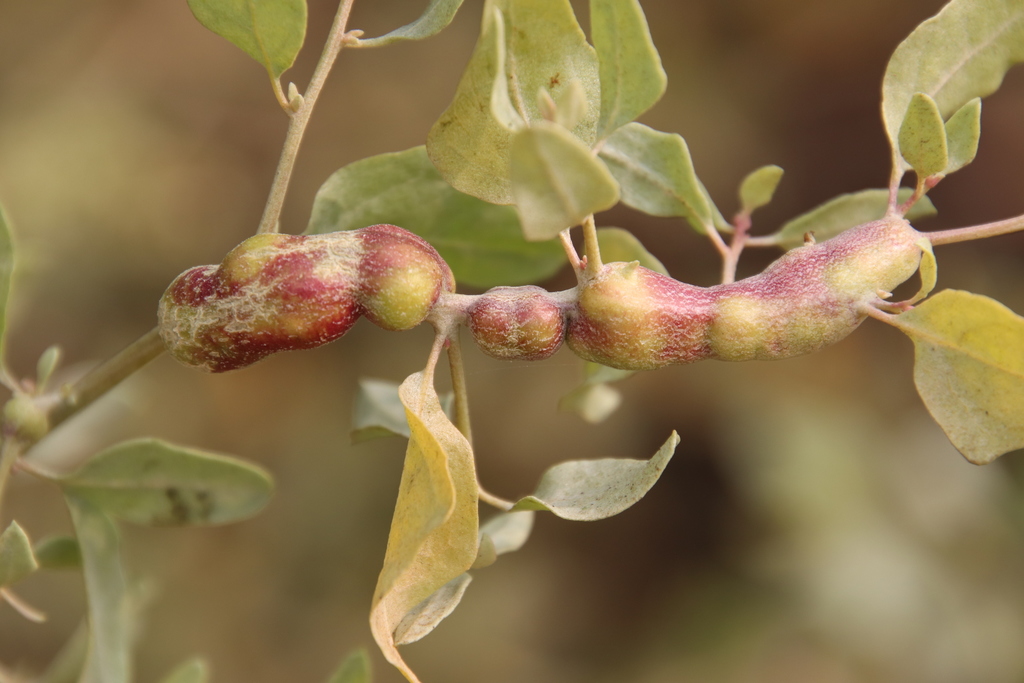
(c) Millie Basden, some rights reserved (CC BY) · licence
Family: Cecidomyiidae · Class: Insecta · Order: Diptera
Asphondylia atriplicis (Tumor Stem Gall Midge) is a California animal in the Cecidomyiidae family.
The Tumor Stem Gall Midge (Asphondylia atriplicis) is a small dipteran insect in the family Cecidomyiidae, a group known for inducing plant galls. As a member of the tribe Asphondyliini, this species belongs to a specialized group of gall midges that create distinctive swellings or growths on their host plants. Adult midges in this family are typically small, measuring 1-3 mm in length, with delicate bodies and long antennae. The larvae are responsible for gall formation and are usually white to pale yellow in color. The species occurs in western North America, with documented presence in California. The taxonomic classification places it within a well-defined lineage: subfamily Cecidomyiinae, tribe Asphondyliini, subtribe Asphondyliina. This systematic position reflects evolutionary relationships with other gall-inducing midges that have co-evolved with specific plant families. Based on the species name 'atriplicis,' this midge likely associates with plants in the genus Atriplex, commonly known as saltbush or orache. These plants are characteristic of arid and semi-arid environments, suggesting the midge inhabits desert scrub, alkali flats, and disturbed areas where Atriplex species are common. Such habitats typically experience extreme temperature fluctuations and low precipitation, conditions that both the host plants and their associated gall midges have adapted to exploit. The life cycle follows the typical cecidomyiid pattern of gall induction. Adult females deposit eggs directly into plant tissue, usually stems or growing points. The developing larvae release chemicals that manipulate host plant growth, creating tumor-like swellings or stem galls that provide both nutrition and protection. These galls represent a highly specialized relationship between insect and plant, where the larva essentially hijacks the plant's cellular machinery to create its own specialized microhabitat. The gall structure concentrates nutrients and provides protection from desiccation, predators, and parasitoids. Development time varies with environmental conditions, but most cecidomyiids complete their life cycle within one growing season. Like many specialized gall-forming insects, Asphondylia atriplicis likely faces conservation challenges related to habitat modification and host plant availability. Cecidomyiidae species often have narrow host ranges, making them vulnerable to changes in plant community composition. The conversion of natural saltbush communities to agriculture or urban development could impact populations by reducing suitable breeding sites. Additionally, as members of the Cecidomyiidae family, these midges may be affected by broad-spectrum pesticide applications, as documented in other gall midge species where malathion treatments have disrupted natural enemy-pest relationships. The species' current conservation status has not been formally assessed, reflecting the broader challenge of documenting and protecting invertebrate biodiversity. Many cecidomyiid species remain poorly studied despite their important ecological roles as herbivores and their value as indicators of ecosystem health in arid plant communities.
Classification
Class: Insecta · Order: Diptera · Family: Cecidomyiidae
Frequently asked questions
How is Asphondylia atriplicis classified?
Asphondylia atriplicis belongs to class Insecta, order Diptera, family Cecidomyiidae.
What family does Asphondylia atriplicis belong to?
Asphondylia atriplicis is in the Cecidomyiidae family.
What is Asphondylia atriplicis?
The Tumor Stem Gall Midge (Asphondylia atriplicis) is a small dipteran insect in the family Cecidomyiidae, a group known for inducing plant galls.
Is Asphondylia atriplicis found in California?
Yes. Asphondylia atriplicis is recorded in California in The California Species Project's catalogue.
Related species
Other California species in the same genus, family, or bioregion.
Data from The California Species Project — 14,000+ California species with verified data from CNPS, CDFW, USFWS, and more.