Autoplusia egena
Bean-lead Skeletonizer
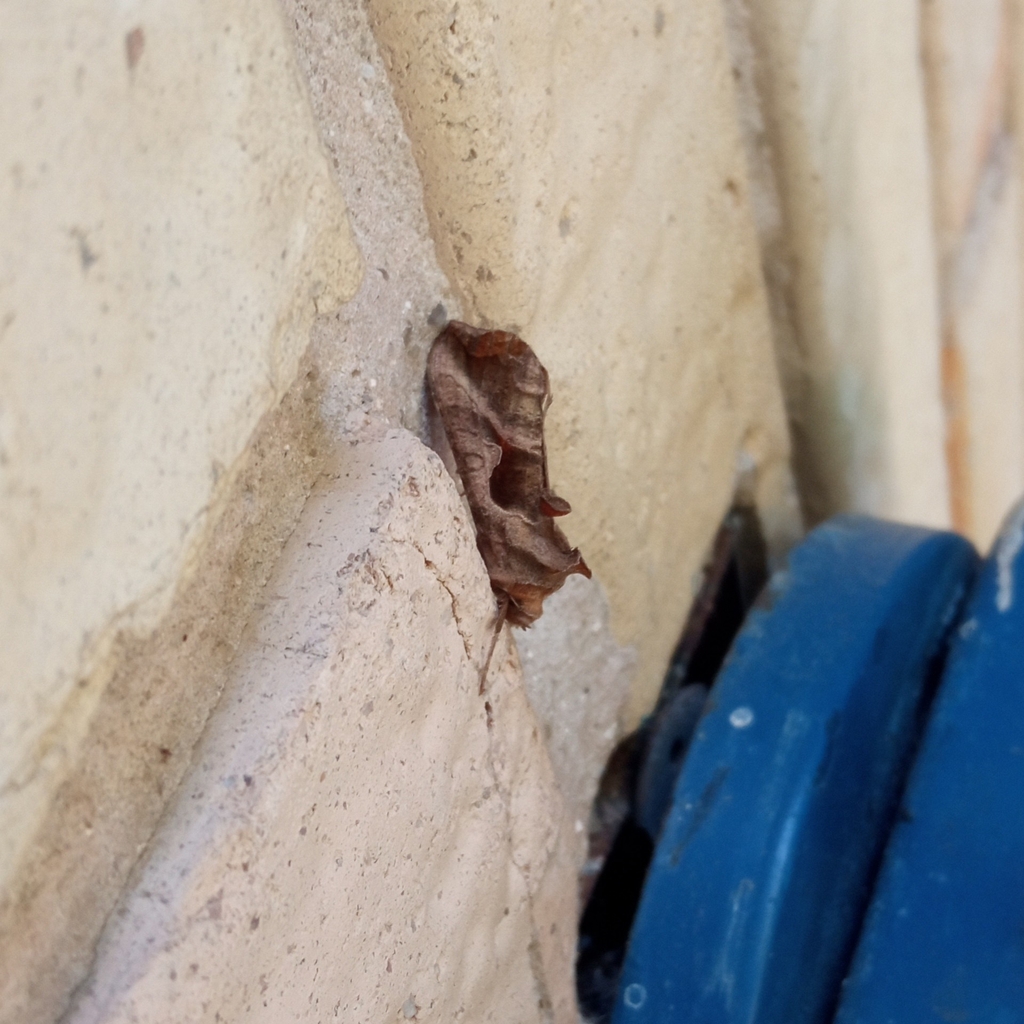
(c) Curupira and Boitatá, some rights reserved (CC BY) · licence
Family: Noctuidae · Class: Insecta · Order: Lepidoptera
Autoplusia egena (Bean-lead Skeletonizer) is a California animal in the Noctuidae family.
The Bean-lead Skeletonizer (Autoplusia egena) is a moth in the family Noctuidae, subfamily Plusiinae. This species belongs to the tribe Plusiini and subtribe Autoplusiina. As a member of the skeletonizer moth group, the larvae feed by consuming leaf tissue between the veins, leaving a characteristic skeletonized appearance on host plants. Autoplusia egena occurs across a broad geographic range including Florida, New Mexico, California, and extending south into tropical regions. The species is also possibly present in Texas and Arizona, though these records remain unconfirmed. Within California, specific distribution patterns and population densities have not been thoroughly documented. The habitat preferences of this species are not well characterized in the scientific literature. Like other members of the Plusiinae subfamily, Bean-lead Skeletonizer moths likely inhabit areas where their larval host plants are abundant. The elevation range and specific vegetation associations for this species require further study. Larval biology and host plant relationships represent a significant knowledge gap for Autoplusia egena. The common name suggests an association with bean plants (Fabaceae family), though specific host plant species have not been definitively documented. The larvae presumably create the characteristic feeding damage that gives skeletonizer moths their common name, consuming leaf mesophyll while leaving the vein structure intact. Adult flight periods, mating behavior, and overwintering strategies remain undocumented. The conservation status of Autoplusia egena is uncertain. According to NatureServe, the global status is listed as GNR (Global Not Ranked), indicating insufficient data to assess conservation risk. NatureServe also lists the species as GX (Presumed Extinct), though this designation conflicts with the GNR ranking and may reflect taxonomic uncertainty or limited survey effort rather than actual extinction. The U.S. Fish and Wildlife Service maintains taxonomic records for this species but does not currently list it under the Endangered Species Act. The apparent rarity of Autoplusia egena in collections and literature may reflect either genuine scarcity, taxonomic confusion, or simply limited research attention on this group of moths. Many noctuoid moths remain poorly studied, particularly those without significant agricultural importance. The species' broad reported range from Florida to California and into tropical regions suggests either high dispersal capability or possible taxonomic complexities that warrant investigation. Detailed ecological studies of this species are lacking. The information presented here synthesizes available observations from taxonomic databases and government records. Current knowledge gaps include specific host plant relationships, habitat requirements, population trends, and threats. We welcome contributions of verified scientific data, photographs, or field observations to enhance this species account.
Classification
Class: Insecta · Order: Lepidoptera · Family: Noctuidae
Frequently asked questions
How is Autoplusia egena classified?
Autoplusia egena belongs to class Insecta, order Lepidoptera, family Noctuidae.
What family does Autoplusia egena belong to?
Autoplusia egena is in the Noctuidae family.
What is Autoplusia egena?
The Bean-lead Skeletonizer (Autoplusia egena) is a moth in the family Noctuidae, subfamily Plusiinae.
Is Autoplusia egena found in California?
Yes. Autoplusia egena is recorded in California in The California Species Project's catalogue.
Related species
Other California species in the same genus, family, or bioregion.
Data from The California Species Project — 14,000+ California species with verified data from CNPS, CDFW, USFWS, and more.