Bassariscus astutus
Ringtail
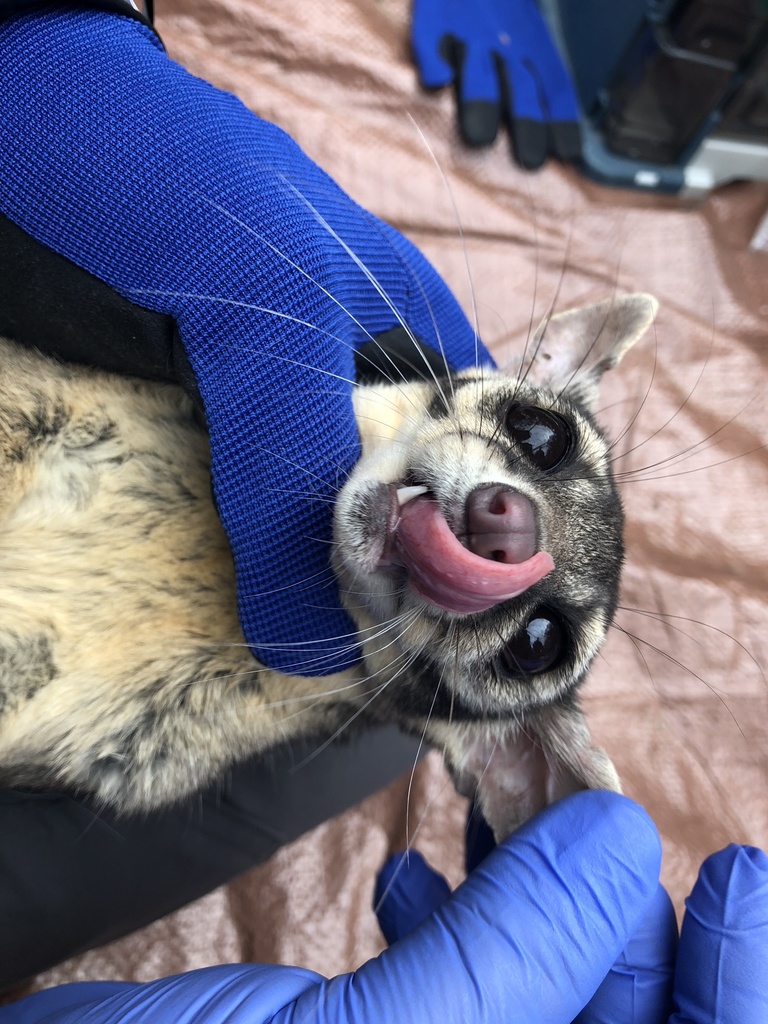
(c) Amelia Tauber, some rights reserved (CC BY) · licence
Family: Procyonidae · Class: Mammalia · Order: Carnivora
Conservation status: FP
Bassariscus astutus (Ringtail) is a California animal in the Procyonidae family.
The ringtail is a small, agile carnivore native to western North America, including California. Adults measure 61 to 81 centimeters (24 to 32 inches) in total length, with the distinctive black-and-white banded tail comprising nearly half of this length. Body weight ranges from 0.8 to 1.5 kilograms (1.8 to 3.3 pounds). The species has a fox-like face with large, dark eyes adapted for nocturnal vision, prominent pointed ears, and a slender build. The pelage is yellowish-gray to dark brown dorsally with lighter underparts. The tail displays 14 to 16 alternating black and white bands, ending in a black tip. Ringtails occur throughout California, from sea level to elevations exceeding 2,800 meters (9,200 feet). The species ranges from the coastal mountains and Central Valley through the Sierra Nevada, Cascade Range, and desert regions of southern California. Historically distributed across suitable habitat statewide, ringtail populations remain stable in most areas, though they have declined in some urbanized regions and intensively farmed areas of the Central Valley. The species inhabits diverse habitat types including oak woodlands, chaparral, coniferous forests, riparian corridors, and rocky desert areas. Ringtails show strong preference for areas with rocky outcrops, caves, hollow trees, or human structures that provide denning sites. They require access to water sources and areas with adequate prey populations. In forested habitats, they utilize snags, tree cavities, and dense canopy cover. Desert populations concentrate near permanent water sources and rocky terrain. Ringtails are primarily nocturnal and solitary, except during breeding season. They are skilled climbers, capable of rotating their hind feet 180 degrees to descend headfirst down vertical surfaces. The species is omnivorous, with diet varying seasonally and by habitat. Primary prey includes small mammals such as wood rats, mice, and ground squirrels, supplemented by birds, reptiles, amphibians, insects, and arthropods. Plant matter, including fruits and berries, comprises up to 20 percent of the diet during autumn months. Breeding occurs from February through May, with females producing a single annual litter of 1 to 4 young after a 51 to 54 day gestation period. Kits remain in the den for approximately 10 weeks before dispersing. The ringtail is designated as a California Fully Protected species, providing it complete legal protection under state law. This status prohibits take, possession, or sale of the species except for scientific research or relocation purposes. While not federally listed, the species faces habitat loss from urban development, agricultural conversion, and wildfire. Climate change may affect water availability in arid regions. Vehicle strikes pose mortality risks in areas where roads intersect ringtail habitat. Despite these pressures, ringtail populations appear stable across most of their California range, with the species demonstrating adaptability to various habitat conditions.
Classification
Class: Mammalia · Order: Carnivora · Family: Procyonidae
Conservation status
FP
Frequently asked questions
How is Bassariscus astutus classified?
Bassariscus astutus belongs to class Mammalia, order Carnivora, family Procyonidae.
What family does Bassariscus astutus belong to?
Bassariscus astutus is in the Procyonidae family.
Is Bassariscus astutus protected or of conservation concern?
Bassariscus astutus carries the following status: FP.
What is Bassariscus astutus?
The ringtail is a small, agile carnivore native to western North America, including California.
Is Bassariscus astutus found in California?
Yes. Bassariscus astutus is recorded in California in The California Species Project's catalogue.
Related species
Other California species in the same genus, family, or bioregion.
Data from The California Species Project — 14,000+ California species with verified data from CNPS, CDFW, USFWS, and more.