Batrachedra enormis
Large Batrachedra Moth
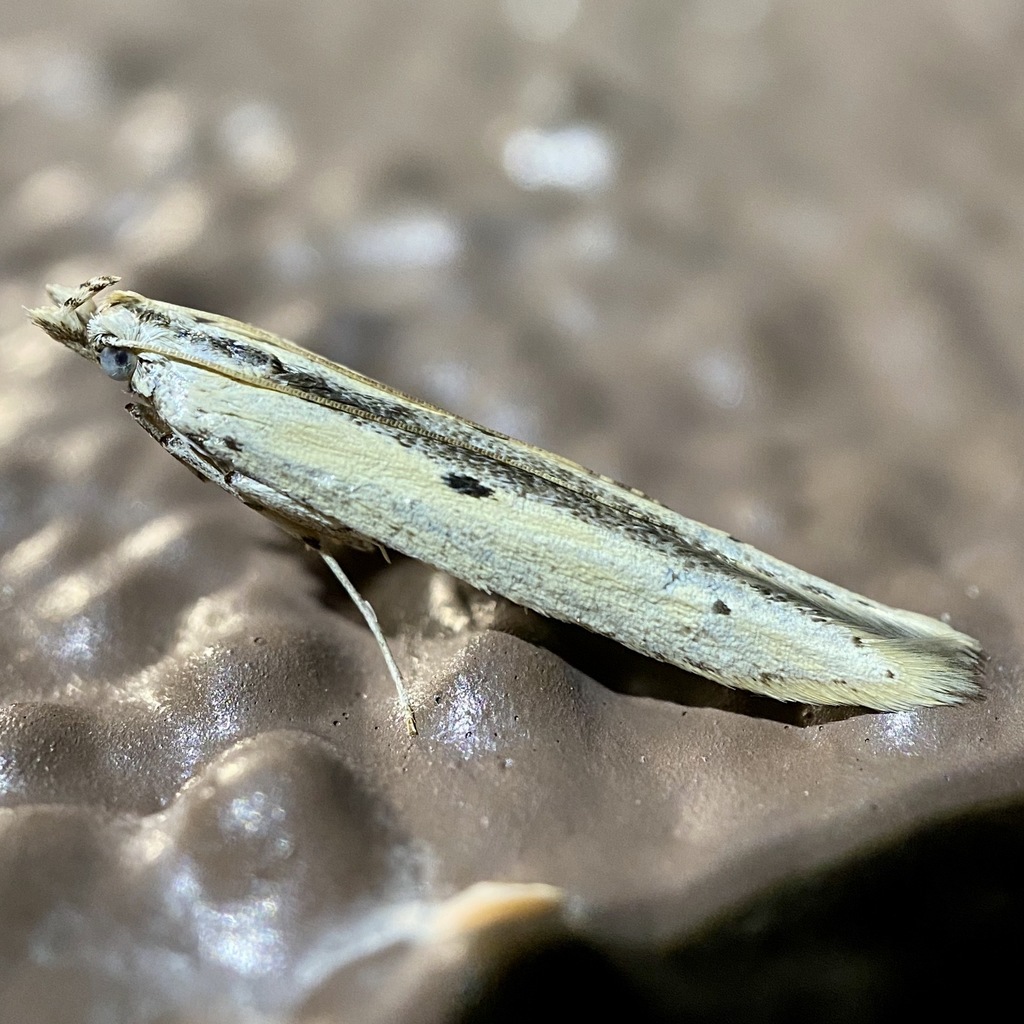
(c) Sue Carnahan, some rights reserved (CC BY) · licence
Family: Batrachedridae · Class: Insecta · Order: Lepidoptera
Batrachedra enormis (Large Batrachedra Moth) is a California animal in the Batrachedridae family.
Batrachedra enormis, commonly known as the Large Batrachedra Moth, is a member of the family Batrachedridae, a group of small moths characterized by narrow forewings and distinctive wing patterns. This species represents one of the larger members of its genus, though specific measurements for wingspan and body length are not well-documented in current literature. The moth displays the typical batrachedrid characteristics of elongated forewings with a pointed apex and relatively narrow hindwings. The range and distribution of Batrachedra enormis in California remain poorly documented. Limited collection records suggest the species may occur in specific regions of the state, though comprehensive surveys to establish its current distribution have not been conducted. The historical range and any changes in distribution over time are not well-established in available scientific literature. Habitat requirements for this species are not thoroughly documented in current research. Like other members of the Batrachedridae family, the Large Batrachedra Moth likely inhabits areas where its host plants occur, though specific vegetation associations and elevation preferences have not been definitively established. The species may require particular microhabitat conditions for larval development and adult reproduction. Ecological information about Batrachedra enormis is extremely limited. The larval host plants, feeding behavior, and life cycle timing remain largely unknown. Adult flight periods, mating behavior, and reproductive ecology have not been documented in available literature. The species' role in its ecosystem and interactions with other organisms are not established through published research. No formal conservation status has been assigned to Batrachedra enormis at the federal or state level. The species does not appear on federal endangered species lists or California state species of special concern lists as of December 2025. Population trends, threats, and conservation needs cannot be assessed due to the lack of systematic surveys and ecological research. The apparent rarity of collection records may indicate either genuine scarcity, restricted distribution, or insufficient survey effort in appropriate habitats and seasons. The limited available information about this species highlights the need for additional taxonomic research, ecological studies, and systematic surveys to establish its distribution, habitat requirements, and conservation status in California. Without baseline data on population size, distribution, and ecological needs, it is difficult to assess whether conservation measures may be necessary for this moth species.
Classification
Class: Insecta · Order: Lepidoptera · Family: Batrachedridae
Frequently asked questions
How is Batrachedra enormis classified?
Batrachedra enormis belongs to class Insecta, order Lepidoptera, family Batrachedridae.
What family does Batrachedra enormis belong to?
Batrachedra enormis is in the Batrachedridae family.
What is Batrachedra enormis?
Batrachedra enormis, commonly known as the Large Batrachedra Moth, is a member of the family Batrachedridae, a group of small moths characterized by narrow forewings and distinctive wing patterns.
Is Batrachedra enormis found in California?
Yes. Batrachedra enormis is recorded in California in The California Species Project's catalogue.
Related species
Other California species in the same genus, family, or bioregion.
Data from The California Species Project — 14,000+ California species with verified data from CNPS, CDFW, USFWS, and more.