Belonochilus numenius
Sycamore Seed Bug
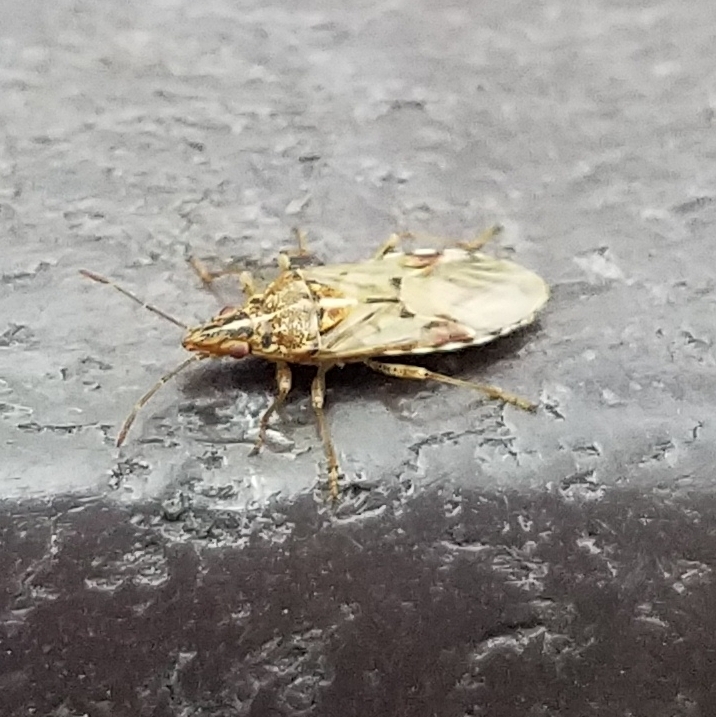
(c) Will Kuhn, some rights reserved (CC BY) · licence
Family: Lygaeidae · Class: Insecta · Order: Hemiptera
Belonochilus numenius (Sycamore Seed Bug) is a California animal in the Lygaeidae family.
The Sycamore Seed Bug (Belonochilus numenius) is a small true bug in the family Lygaeidae. This hemipteran insect exhibits typical lygaeid characteristics, including a distinctly segmented antennae and piercing-sucking mouthparts adapted for feeding on plant fluids. Adults measure approximately 3-5 millimeters in length, with an elongated oval body shape characteristic of seed bugs. The body coloration ranges from light brown to reddish-brown, often with darker markings along the wing covers and thorax. The species occurs in western North America, with documented populations in California, Idaho, and surrounding states. In California, the Sycamore Seed Bug has been recorded in riparian areas where its host plants are present. The species appears to have a patchy distribution corresponding to the availability of suitable sycamore habitats throughout its range. Belonochilus numenius inhabits riparian woodlands and streamside areas dominated by sycamore trees, particularly California sycamore (Platanus racemosa) and Arizona sycamore (Platanus wrightii). The species is closely associated with sycamore seed pods and developing fruits, which serve as both feeding and breeding sites. Adults and nymphs are typically found on the bark, leaves, and seed structures of mature sycamore trees. The bugs show a preference for areas with adequate moisture and partial shade provided by the riparian canopy. As a specialist feeder, the Sycamore Seed Bug feeds primarily on the seeds and developing fruits of sycamore trees. Using their piercing mouthparts, both adults and nymphs extract fluids from seed pods and young fruits. The species exhibits seasonal activity patterns that correspond with sycamore flowering and fruiting cycles, typically becoming most abundant during late spring and summer when seed development peaks. Reproduction occurs on the host trees, with females depositing eggs in crevices of bark or among seed clusters. The species undergoes incomplete metamorphosis, with nymphs resembling miniature adults but lacking fully developed wings. Currently, Belonochilus numenius holds no federal or state conservation listing status. The species appears to maintain stable populations throughout much of its range, though local abundance fluctuates with the health and distribution of sycamore riparian habitats. Primary conservation concerns include habitat degradation through urban development, water diversions affecting riparian zones, and the introduction of non-native plant species that may alter sycamore woodland composition. Climate change poses potential long-term threats through altered precipitation patterns and increased drought stress on riparian systems. Conservation of this species depends on maintaining healthy sycamore populations and protecting riparian corridors from fragmentation and degradation. The species benefits from existing riparian habitat protection measures and restoration efforts targeting native tree communities in western watersheds.
Classification
Class: Insecta · Order: Hemiptera · Family: Lygaeidae
Frequently asked questions
How is Belonochilus numenius classified?
Belonochilus numenius belongs to class Insecta, order Hemiptera, family Lygaeidae.
What family does Belonochilus numenius belong to?
Belonochilus numenius is in the Lygaeidae family.
What is Belonochilus numenius?
The Sycamore Seed Bug (Belonochilus numenius) is a small true bug in the family Lygaeidae.
Is Belonochilus numenius found in California?
Yes. Belonochilus numenius is recorded in California in The California Species Project's catalogue.
Related species
Other California species in the same genus, family, or bioregion.
Data from The California Species Project — 14,000+ California species with verified data from CNPS, CDFW, USFWS, and more.