Bicellonycha wickershamorum piceum
Piceum
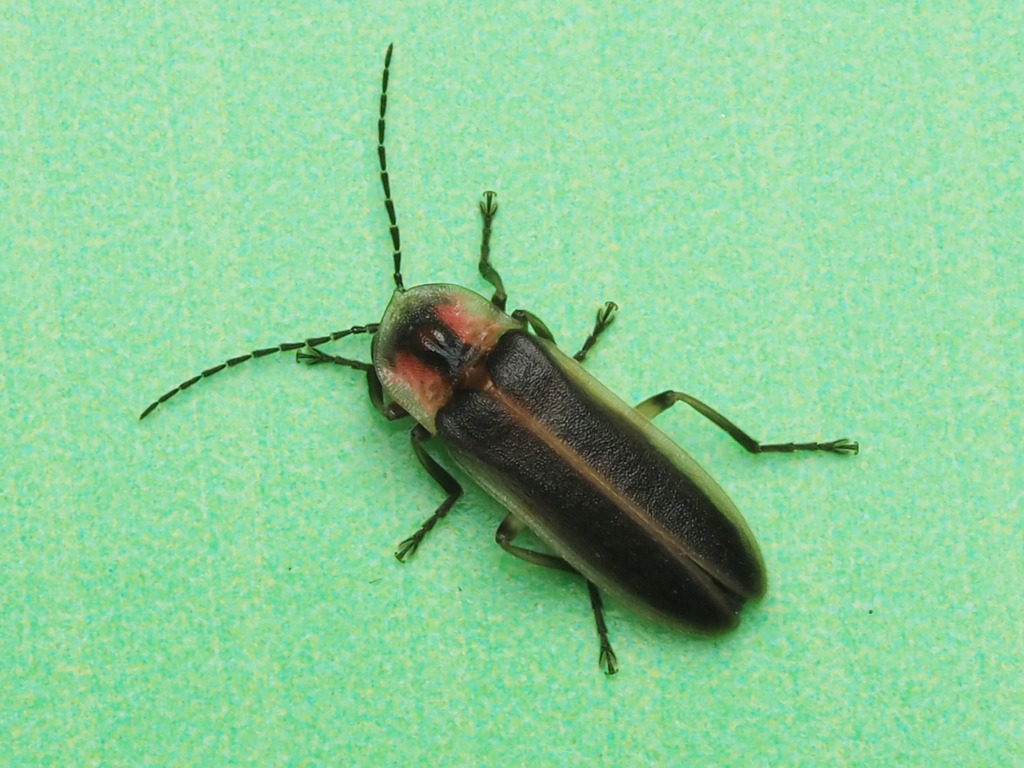
no rights reserved · CC0
Family: Lampyridae · Class: Insecta · Order: Coleoptera
Bicellonycha wickershamorum piceum (Piceum) is a California animal in the Lampyridae family.
Bicellonycha wickershamorum piceum, commonly known as the Gila southwest spring firefly, is a subspecies of the southwest spring firefly and represents one of only two flashing firefly species known from Arizona. This nocturnal beetle belongs to the family Lampyridae and is distinguished from its sister subspecies B. w. wickershamorum primarily by its extremely restricted distribution (Xerces Society 2021) and darker coloration, as indicated by the subspecific name 'piceum' meaning pitch-black (Xerces Society 2021). The Gila southwest spring firefly is known only from Arizona, with an extraordinarily limited range consisting of just two documented locations (Xerces Society 2021). The subspecies was originally described from its type locality near Morenci in southeastern Arizona, and subsequent surveys have confirmed its presence at only one additional site (Xerces Society 2021). This represents one of the most restricted distributions of any North American firefly species. According to the Xerces Society petition, the subspecies has been documented from just over two dozen total locality records when combined with the nominate subspecies (Xerces Society 2021). This firefly is a habitat specialist associated with permanent springs and streams in Madrean montane desert environments. The species requires consistent moisture and is typically found near water sources in canyon systems and mountainous terrain of southeastern Arizona. These spring-fed habitats provide the specific microclimate conditions necessary for larval development and adult reproduction. Adults are active from dusk to dark during June and July, coinciding with Arizona's summer monsoon season when humidity levels are elevated. The flash behavior of B. w. piceum remains poorly documented due to the extremely low number of individuals observed in the wild (Xerces Society 2021). Like other members of the genus Bicellonycha, larvae are presumed to be predatory and require moist soil conditions near permanent water sources for development (Xerces Society 2021). The species exhibits typical firefly biology with a complete metamorphosis including egg, larval, pupal, and adult stages. The conservation status of this subspecies is critical. The International Union for Conservation of Nature categorizes B. w. piceum as Endangered, while NatureServe assigns it a rank of G2G3T1T2, indicating it is Critically Imperiled (Xerces Society 2021). In 2023, the Xerces Society and New Mexico BioPark Society submitted a petition to the U.S. Fish and Wildlife Service requesting federal protection under the Endangered Species Act. The petition received a positive 90-day finding, and the species is currently under status review to determine if listing is warranted (USFWS 2024). Primary threats to this subspecies include habitat loss and degradation from agricultural development, water diversions that affect spring flows, pollution from mining activities, climate change impacts on montane water sources, and light pollution that can disrupt flash communication patterns. The species' extreme rarity and highly restricted range make it particularly vulnerable to localized disturbances. Conservation efforts focus on protecting known spring habitats and conducting additional surveys to determine if undiscovered populations exist within suitable habitat.
Classification
Class: Insecta · Order: Coleoptera · Family: Lampyridae
Frequently asked questions
How is Bicellonycha wickershamorum piceum classified?
Bicellonycha wickershamorum piceum belongs to class Insecta, order Coleoptera, family Lampyridae.
What family does Bicellonycha wickershamorum piceum belong to?
Bicellonycha wickershamorum piceum is in the Lampyridae family.
What is Bicellonycha wickershamorum piceum?
Bicellonycha wickershamorum piceum, commonly known as the Gila southwest spring firefly, is a subspecies of the southwest spring firefly and represents one of only two flashing firefly species known from Arizona.
Is Bicellonycha wickershamorum piceum found in California?
Yes. Bicellonycha wickershamorum piceum is recorded in California in The California Species Project's catalogue.
Related species
Other California species in the same genus, family, or bioregion.
Data from The California Species Project — 14,000+ California species with verified data from CNPS, CDFW, USFWS, and more.