Blennogeneris spissipes
Snowberry Sawfly
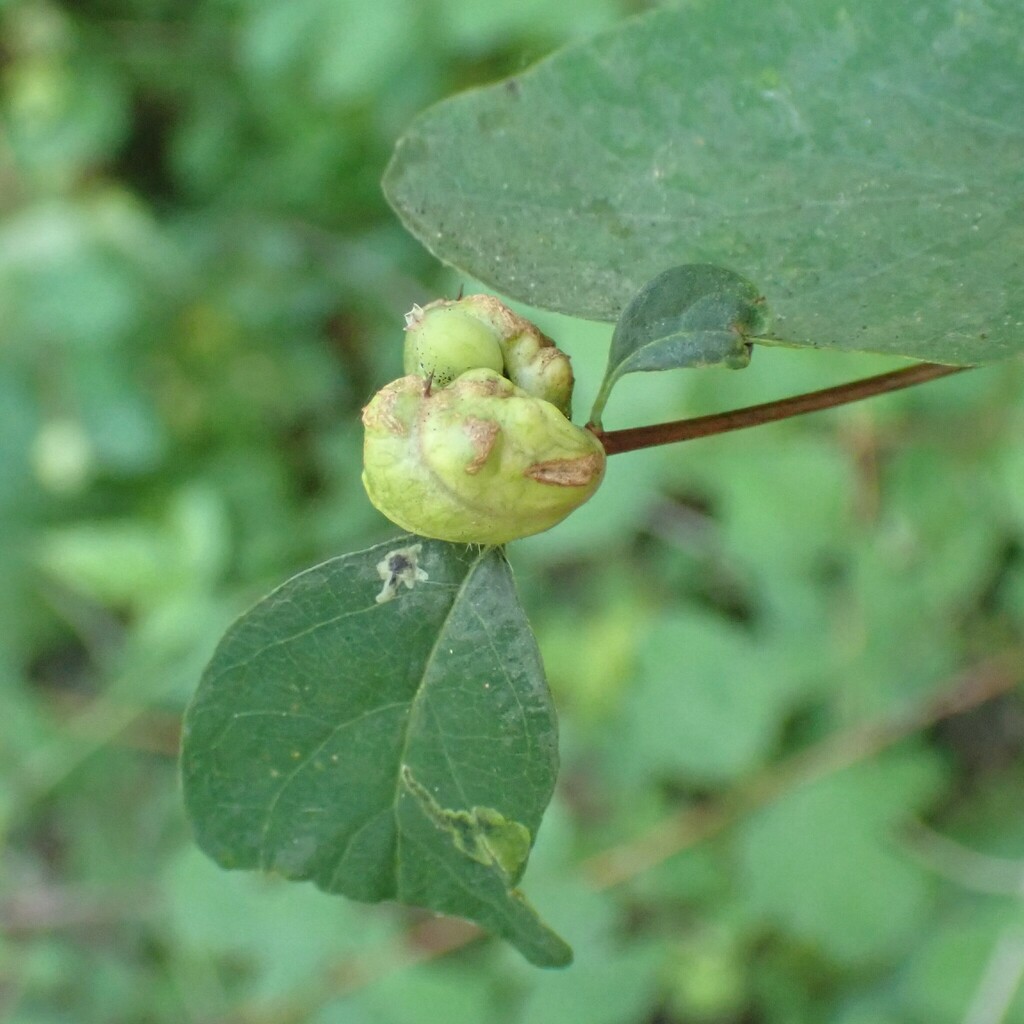
(c) giantcicada, some rights reserved (CC BY) · licence
Family: Tenthredinidae · Class: Insecta · Order: Hymenoptera
Blennogeneris spissipes (Snowberry Sawfly) is a California animal in the Tenthredinidae family.
Blennogeneris spissipes, commonly known as the snowberry sawfly, is a member of the family Tenthredinidae within the order Hymenoptera. This species represents one of numerous sawfly taxa that remain poorly documented in the scientific literature, with limited information available regarding its morphological characteristics, ecological requirements, and distribution patterns. As a member of the Tenthredinidae, the snowberry sawfly likely exhibits the typical sawfly body plan, characterized by a broad connection between the thorax and abdomen, distinguishing it from wasps and bees. Adult sawflies generally possess two pairs of membranous wings with distinct venation patterns, and females are equipped with a saw-like ovipositor used for cutting into plant tissues to deposit eggs. Specific morphological details for B. spissipes, including body length, coloration patterns, and distinguishing features, have not been well documented in accessible scientific literature. The distribution of the snowberry sawfly appears to be primarily associated with western North America, though precise range boundaries and habitat preferences remain inadequately characterized. Many Tenthredinidae species exhibit host-specific relationships with particular plant families, and the common name suggests a potential association with snowberry plants (Symphoricarpos species), though this relationship requires verification through systematic study. Habitat requirements for B. spissipes are not well established in the current literature. If the species does indeed utilize snowberry as a host plant, it would likely occur in habitats where these shrubs are prevalent, including forest edges, riparian areas, and montane environments throughout the western United States. Snowberry plants typically grow in elevations ranging from sea level to approximately 3,000 meters, suggesting the sawfly may occupy a similarly broad elevational range. The life cycle of B. spissipes presumably follows the general pattern observed in other Tenthredinidae species. Adult females likely use their serrated ovipositors to insert eggs into host plant tissues, with larvae developing as external feeders on foliage or as stem borers, depending on the species' specific ecological adaptations. Larval sawflies often resemble caterpillars but can be distinguished by their greater number of prolegs and lack of crochets on the prolegs. Pupation typically occurs in the soil or plant debris, with adults emerging during specific seasonal windows that may coincide with host plant phenology. The conservation status of the snowberry sawfly is unknown, as the species lacks formal assessment by state or federal wildlife agencies. Many invertebrate species, particularly those with specialized host plant relationships, face potential threats from habitat loss, climate change, and alterations to plant community composition. The absence of comprehensive distributional data and ecological information represents a significant knowledge gap that limits effective conservation planning for this species. Scientific documentation for this species remains extremely limited. The information presented here synthesizes available nomenclatural records and general knowledge of Tenthredinidae biology. Detailed field studies are needed to characterize the morphology, host plant relationships, distribution, and ecological requirements of B. spissipes. We welcome contributions of verified scientific data, photographs, or field observations to enhance this species account.
Classification
Class: Insecta · Order: Hymenoptera · Family: Tenthredinidae
Frequently asked questions
How is Blennogeneris spissipes classified?
Blennogeneris spissipes belongs to class Insecta, order Hymenoptera, family Tenthredinidae.
What family does Blennogeneris spissipes belong to?
Blennogeneris spissipes is in the Tenthredinidae family.
What is Blennogeneris spissipes?
Blennogeneris spissipes, commonly known as the snowberry sawfly, is a member of the family Tenthredinidae within the order Hymenoptera.
Is Blennogeneris spissipes found in California?
Yes. Blennogeneris spissipes is recorded in California in The California Species Project's catalogue.
Related species
Other California species in the same genus, family, or bioregion.
Data from The California Species Project — 14,000+ California species with verified data from CNPS, CDFW, USFWS, and more.