Bombus melanopygus
Black-tailed Bumble Bee
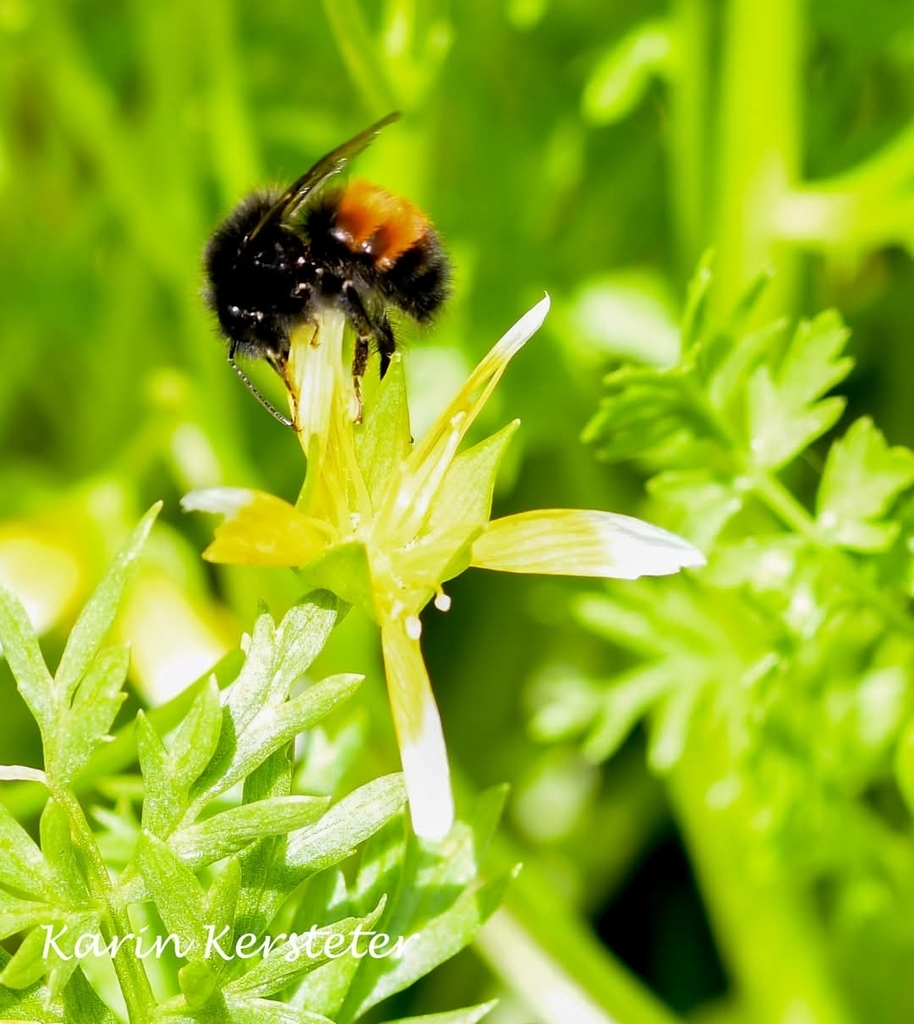
no rights reserved · CC0
Family: Apidae · Class: Insecta · Order: Hymenoptera
Bombus melanopygus (Black-tailed Bumble Bee) is a California animal in the Apidae family.
The black-tailed bumble bee is a medium to large social bee measuring 8 to 25 mm in length, with workers typically smaller than queens and males. The species is characterized by its distinctive black abdominal tip, which gives it its common name. The thorax displays yellow hair bands, and the abdomen shows a pattern of yellow and black coloration with the terminal segments being entirely black. Like other bumble bees, females possess specialized pollen baskets (corbiculae) on their hind legs for carrying moist pollen loads back to the colony. Bombus melanopygus occurs throughout western North America, ranging from British Columbia south to California and east to the Rocky Mountain states including Colorado, Utah, and Montana. In California, the species is distributed across diverse regions including the Mediterranean climate zones, Pacific Coast areas, foothills, and montane environments. The species maintains a relatively stable distribution compared to other western bumble bees, with current range size at approximately 71% of its historic extent (Xerces Society 2014). This species inhabits a variety of natural ecosystems including grasslands, meadows, riparian areas, shrublands, and woodland edges. Black-tailed bumble bees are found from sea level to high elevations, demonstrating considerable ecological flexibility. They show particular abundance in flower-rich meadows and forest clearings where diverse floral resources are available. The species has been documented foraging in chaparral and blue oak grassland environments, with activity beginning as early as February in some California locations when manzanita flowers bloom. Black-tailed bumble bees are capable of buzz pollination, a specialized behavior where they vibrate their flight muscles to shake pollen loose from flowers. This makes them particularly effective pollinators of plants with poricidal anthers. The species visits a wide variety of native plants including manzanita (Arctostaphylos spp.), ceanothus, shooting stars (Primula spp.), and various members of the sunflower and pea families. Colony cycles follow the typical bumble bee pattern, with overwintered queens emerging in spring to establish new colonies, producing workers throughout summer, and generating new queens and males in late summer before the colony dies. The black-tailed bumble bee currently maintains a conservation status of Least Concern according to IUCN assessments (Xerces Society 2014). Unlike several other western bumble bee species that have experienced severe population declines, B. melanopygus appears relatively stable across most of its range. Current relative abundance stands at approximately 82% of historic values, representing an average decline of only 16% - significantly less than the dramatic decreases observed in species like the western bumble bee (B. occidentalis). The species' persistence in current range areas remains high at over 99% of historic occupancy. While not currently threatened, the species faces similar challenges to other bumble bees including habitat loss, pesticide exposure, pathogen pressure, and climate change effects on floral resource timing and availability.
Classification
Class: Insecta · Order: Hymenoptera · Family: Apidae
Frequently asked questions
How is Bombus melanopygus classified?
Bombus melanopygus belongs to class Insecta, order Hymenoptera, family Apidae.
What family does Bombus melanopygus belong to?
Bombus melanopygus is in the Apidae family.
What is Bombus melanopygus?
The black-tailed bumble bee is a medium to large social bee measuring 8 to 25 mm in length, with workers typically smaller than queens and males.
Is Bombus melanopygus found in California?
Yes. Bombus melanopygus is recorded in California in The California Species Project's catalogue.
Related species
Other California species in the same genus, family, or bioregion.
Data from The California Species Project — 14,000+ California species with verified data from CNPS, CDFW, USFWS, and more.