Bombus suckleyi
Suckley's cuckoo bumble bee
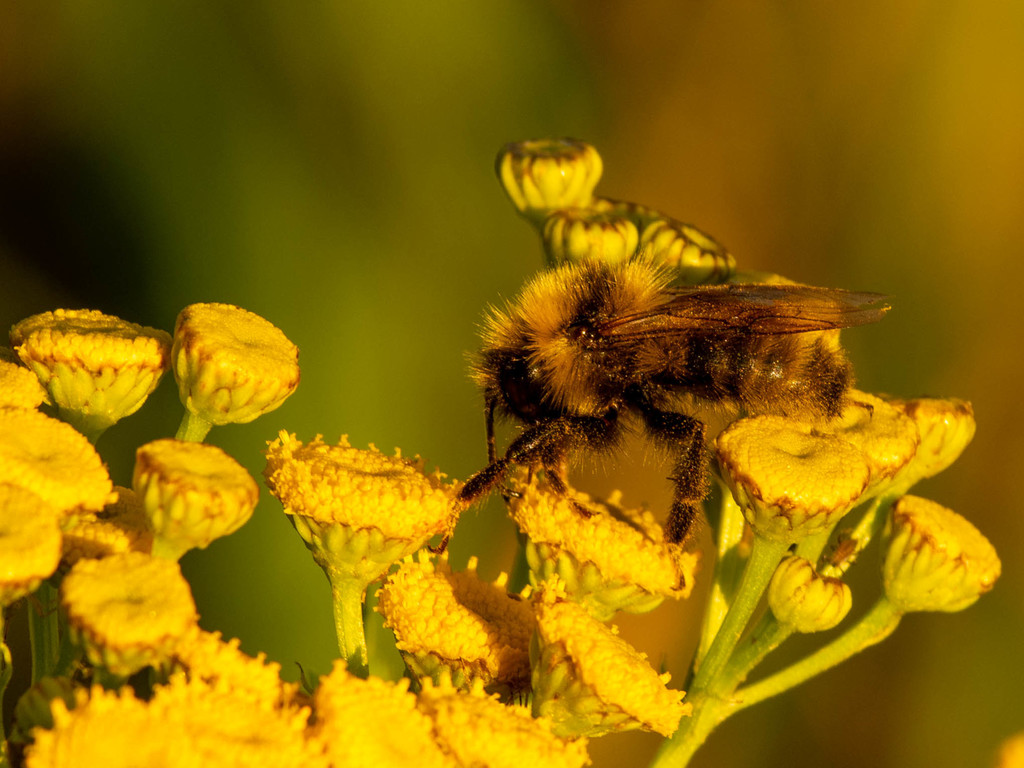
no rights reserved · CC0
Family: Apidae · Class: Insecta · Order: Hymenoptera
Conservation status: Proposed Endangered · G2G3 S1
Bombus suckleyi (Suckley's cuckoo bumble bee) is a California animal in the Apidae family.
Suckley's cuckoo bumble bee is a parasitic bee species that exhibits the characteristic cuckoo bee lifestyle of invading host nests rather than establishing its own colonies. As a cuckoo bumble bee, this species lacks a worker caste and depends entirely on host species for reproduction. The species is distinguished from other bumble bees by its parasitic behavior and morphological adaptations, though detailed physical descriptions remain limited in scientific literature. Historically, Suckley's cuckoo bumble bee had a broad distribution across North America, ranging from the Yukon Territory south to Arizona and extending east to Newfoundland (USFWS 2024). The species has been documented in Arizona, California, Colorado, Idaho, Minnesota, Montana, Nebraska, Nevada, New Mexico, North Dakota, Oregon, South Dakota, Utah, Washington, and Wyoming. In California, the species has a very limited distribution, occurring only in the Klamath Mountain region in the northern part of the state (Xerces Society 2018). Suckley's cuckoo bumble bee has been collected from various habitat types ranging from 2 to 3,200 meters (6 to 10,500 feet) in elevation (USFWS 2024). The species shows a more montane distribution in the Cascades, with a possibility of occurrence in the Sierra Nevada based on limited historic records (California Department of Fish and Wildlife). As a parasitic species, its distribution is limited to a subset of its primary host's range, the western bumble bee (Bombus occidentalis). As a cuckoo bumble bee, Suckley's cuckoo bumble bee functions as a nest parasite of the western bumble bee. Adult females invade established western bumble bee colonies, where they kill or suppress the host queen and use the existing worker force to rear their own offspring. This parasitic lifestyle eliminates the need for the species to collect pollen or nectar, as host workers provide all necessary resources. The life history characteristics of cuckoo bumble bees make them uniquely susceptible to extinction, as they depend entirely on healthy host populations for survival (Suhonen et al. 2015). Suckley's cuckoo bumble bee is proposed for federal listing as endangered under the Endangered Species Act as of December 2024 (USFWS 2024). The species is classified as a candidate species under the California Endangered Species Act. Originally advanced to candidacy by the California Fish and Game Commission on June 18, 2019, the candidacy determination faced legal challenges and was temporarily stayed beginning in February 2021. Following an appellate court reversal, candidacy was reinstated on September 30, 2022. The species has experienced dramatic population declines throughout its range, with declines exceeding 80 percent according to IUCN criteria (Hatfield et al. 2015). Current range size is approximately 42.61 percent of historic range, with persistence in current range at only 15.95 percent of historic occupancy (Xerces Society 2014). The species is listed as Critically Endangered on the IUCN Red List. Primary threats likely include habitat loss, pesticide use, climate change, and declines in host species populations, though the parasitic dependency on western bumble bee populations makes this species particularly vulnerable to any factors affecting its host.
Classification
Class: Insecta · Order: Hymenoptera · Family: Apidae
Conservation status
Proposed Endangered · G2G3 S1
Frequently asked questions
How is Bombus suckleyi classified?
Bombus suckleyi belongs to class Insecta, order Hymenoptera, family Apidae.
What family does Bombus suckleyi belong to?
Bombus suckleyi is in the Apidae family.
Is Bombus suckleyi protected or of conservation concern?
Bombus suckleyi carries the following status: Proposed Endangered · G2G3 S1.
What is Bombus suckleyi?
Suckley's cuckoo bumble bee is a parasitic bee species that exhibits the characteristic cuckoo bee lifestyle of invading host nests rather than establishing its own colonies.
Is Bombus suckleyi found in California?
Yes. Bombus suckleyi is recorded in California in The California Species Project's catalogue.
Related species
Other California species in the same genus, family, or bioregion.
Data from The California Species Project — 14,000+ California species with verified data from CNPS, CDFW, USFWS, and more.