Brachycarenus tigrinus
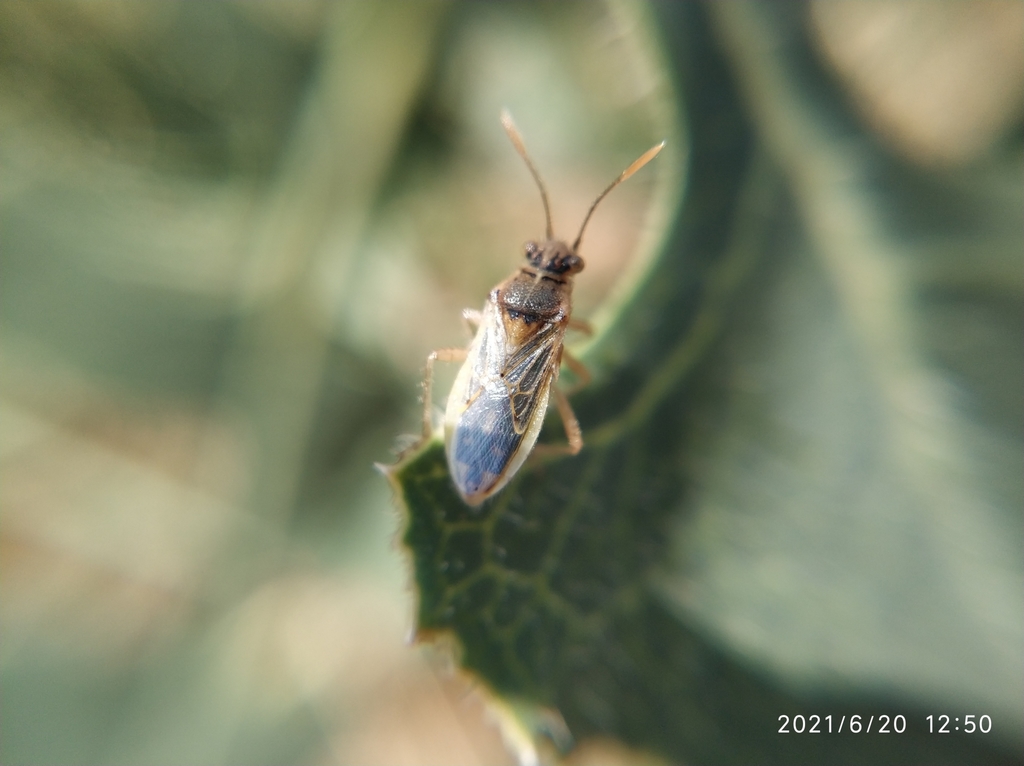
(c) Tandoğan ORUZ, some rights reserved (CC BY) · licence
Family: Rhopalidae · Class: Insecta · Order: Hemiptera
Brachycarenus tigrinus is a California animal in the Rhopalidae family.
Brachycarenus tigrinus, also known by the scientific name Rhopalus tigrinus, is a scentless plant bug in the family Rhopalidae. This species belongs to the subgenus Brachycarenus within the genus Rhopalus, as classified in the tribe Rhopalini. The taxonomic classification reflects the complex relationships within this group of true bugs, with the species formerly placed directly in the genus Brachycarenus before being reclassified as a subgenus of Rhopalus (FWS Taxonomic Tree). Physical descriptions of B. tigrinus are limited in the scientific literature, though members of the Rhopalidae family are typically characterized by their elongated body form and distinctive scent glands that produce defensive chemicals when disturbed. Most rhopalid bugs measure between 6-15 millimeters in length and display variable coloration patterns that may include brown, gray, or reddish hues. The species name 'tigrinus' suggests possible striped or tiger-like markings, though specific morphological details for this species require further documentation. The geographic range and distribution of B. tigrinus within California have not been comprehensively documented in available scientific literature. The species appears in the U.S. Fish and Wildlife Service taxonomic database, indicating its recognized presence within areas of federal interest, though specific locality records and range boundaries remain unclear. Many rhopalid bugs have restricted distributions tied to specific host plant associations or habitat requirements. Habitat preferences for B. tigrinus are not well established in current literature. Members of the Rhopalidae family typically inhabit areas where their host plants occur, often in grasslands, shrublands, or forest edges. Some species in this family show preferences for particular elevational ranges or microclimatic conditions, but specific habitat requirements for B. tigrinus have not been thoroughly studied or documented. The ecology and behavior of B. tigrinus remain largely unstudied. Rhopalid bugs are generally phytophagous, feeding on plant juices through their piercing-sucking mouthparts. Many species in this family demonstrate host plant specificity, though the particular plant associations for B. tigrinus are not documented. Reproductive biology, seasonal activity patterns, and life cycle details are unknown for this species. Most rhopalid bugs undergo incomplete metamorphosis with egg, nymphal, and adult stages, but specific timing and developmental requirements for B. tigrinus require investigation. The conservation status of B. tigrinus has not been formally assessed. The species does not appear on federal or California state endangered species lists as of December 2025. Limited scientific documentation makes it difficult to evaluate population trends, threats, or conservation needs. Like many invertebrate species, B. tigrinus may face challenges from habitat loss, climate change, or other environmental pressures, but specific conservation concerns have not been identified or studied. Detailed ecological studies of this species are lacking. The information presented here synthesizes available taxonomic data from the U.S. Fish and Wildlife Service database. Additional research is needed to document this species' distribution, habitat requirements, ecology, and conservation status within California.
Classification
Class: Insecta · Order: Hemiptera · Family: Rhopalidae
Frequently asked questions
How is Brachycarenus tigrinus classified?
Brachycarenus tigrinus belongs to class Insecta, order Hemiptera, family Rhopalidae.
What family does Brachycarenus tigrinus belong to?
Brachycarenus tigrinus is in the Rhopalidae family.
What is Brachycarenus tigrinus?
Brachycarenus tigrinus, also known by the scientific name Rhopalus tigrinus, is a scentless plant bug in the family Rhopalidae.
Is Brachycarenus tigrinus found in California?
Yes. Brachycarenus tigrinus is recorded in California in The California Species Project's catalogue.
Related species
Other California species in the same genus, family, or bioregion.
Data from The California Species Project — 14,000+ California species with verified data from CNPS, CDFW, USFWS, and more.